

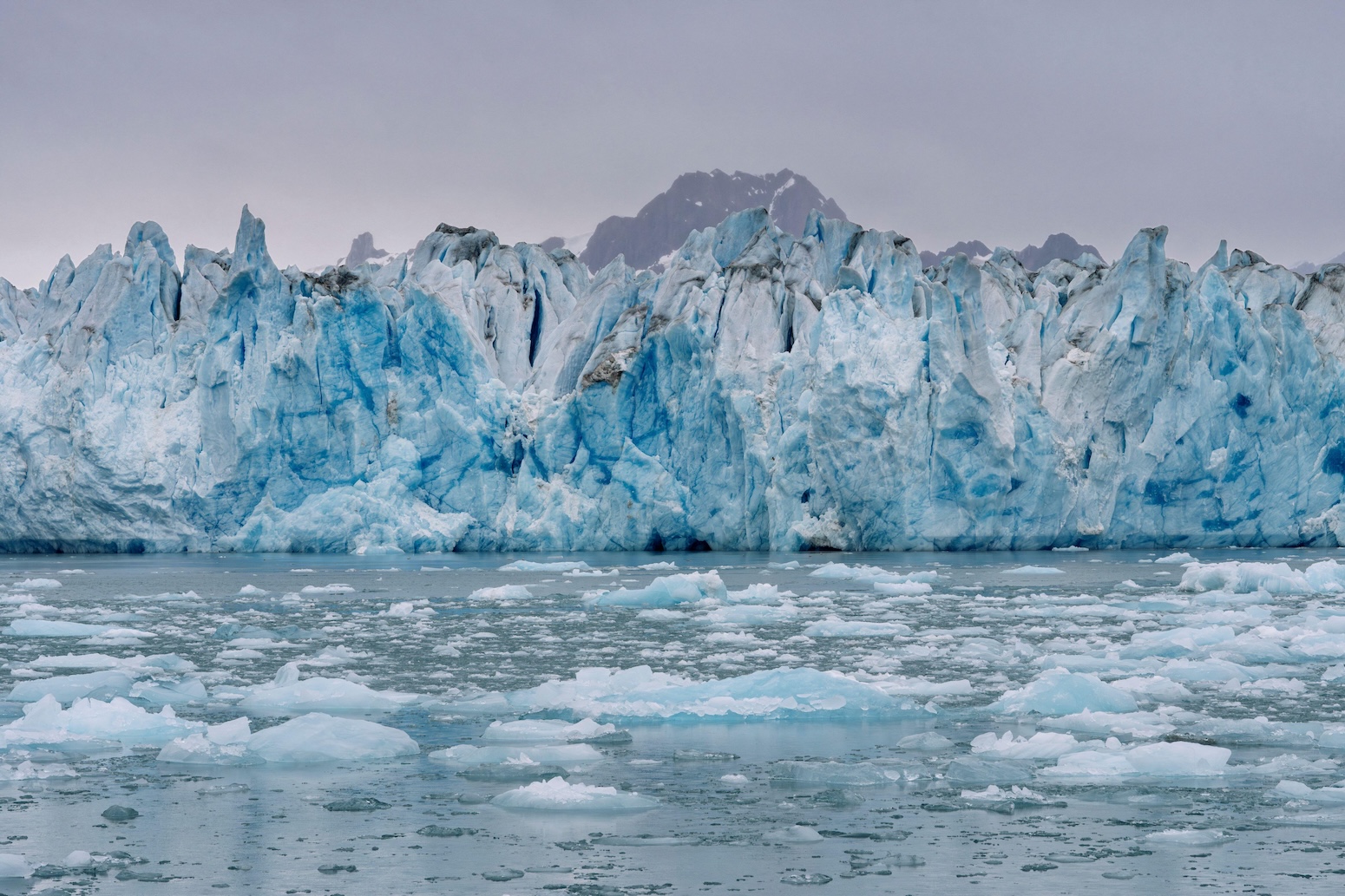
Greenland marked three decades of continuous net ice loss through August 2026, with the ice sheet declining by roughly 135 billion tonnes during the 12-month period. This milestone is scientifically significant because climate researchers typically require 30 years of observational data to distinguish human-caused climate change patterns from natural climate variability. Despite the long-term decline, the most recent ice cycle was not characterized by extreme weather conditions in the region.
The ice sheet’s health is measured through multiple approaches. The surface mass balance—the difference between snow accumulation and ice loss through melting—totaled 519 billion tonnes for the 2025-26 cycle, representing the sixth highest measurement in the 46-year dataset. This figure exceeded the 1981-2010 average by approximately 178 billion tonnes. However, when accounting for additional ice losses from calving icebergs and glacier melting where they encounter warm seawater, the total mass balance swung negative, resulting in a net loss of ice.
Conditions during the 2025-26 cycle presented a mixed picture. Winter and early spring brought unusually dry conditions to southern Greenland, leaving approximately 40 billion tonnes less snow than normal. Typically, heavier winter snowfall acts as an insulating layer that reduces summer ice melt. However, the cool start to summer partially offset this vulnerability, as frequent cloud cover and snow limited solar warming during the period of strongest radiation. The melt season began on 5 June, nine days later than the historical average from 1981-2010.
Scientific estimates of ice loss vary depending on methodology, with alternative calculations suggesting losses as high as 173 billion tonnes when incorporating satellite data, weather station observations, and aircraft measurements. Greenland remains the second-largest ice sheet globally and currently represents the primary source of ice-driven sea level rise. Recent findings indicate that similar ice melting processes are now appearing in Antarctica, suggesting Greenland’s decades-long ice loss trajectory may preview future changes in the world’s largest ice sheet.
Article Attribution | Read More at Article Source
Article summary produced by Claude AI