

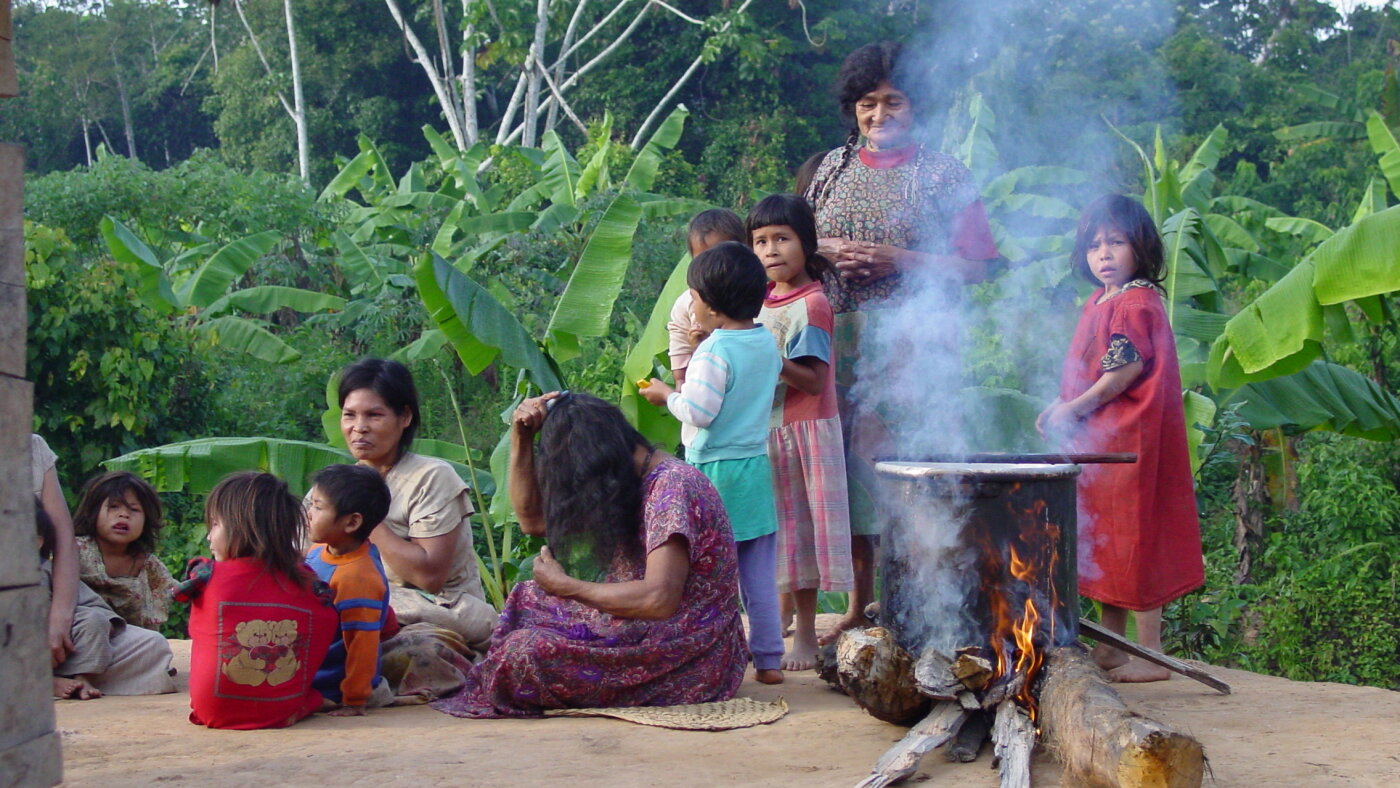
Researchers analyzing stool samples from two geographically isolated indigenous communities—the Hadza people of northern Tanzania and the Tsimane people of the Bolivian Amazon—have identified remarkable similarities in their gut microbiomes, according to findings published in the journal Nature. The two groups share approximately 1,200 bacterial species, representing a nearly 90% overlap in their gut bacteria composition. In contrast, both communities’ microbiomes differ substantially from those of urban populations living in nearby areas, suggesting that industrialized lifestyles have altered the microbial communities in modern humans.
Scientists propose that this shared microbial heritage reflects a common evolutionary history predating the geographic separation of these populations. Using bacterial dating techniques, researchers determined that the microbial strains likely share a common ancestor approximately 17,000 years ago, with some dating to more distant periods. The hypothesis suggests that early human populations carried consistent microbial communities as they migrated out of Africa, through Eurasia, across a land bridge connecting Russia and Alaska, and eventually to South America. Once sea levels rose and submerged this land bridge, the populations became effectively isolated from direct microbial exchange through traditional human contact.
The findings raise important questions about modern human health and the evolutionary relationship between people and their gut bacteria. According to study senior author Justin Sonnenburg of Stanford University, the long coexistence between humans and specific microbial strains suggests that human genomes may have adapted to expect certain microbial functions. Loss of microbial biodiversity in modern guts could therefore present biological challenges requiring adjustment. However, other researchers caution that the implications remain uncertain, noting that industrialized microbiome profiles might be equally adapted to contemporary lifestyles.
The research underscores the dynamic nature of gut microbiomes and the mechanisms through which humans acquire bacterial communities. Infants begin acquiring microbes from maternal sources immediately after birth and continue acquiring strains through contact with household members and broader communities via the fecal-oral route. This intergenerational transmission appears instrumental in maintaining populations of human-specific microbes across generations, contributing to the observed similarities between distantly separated groups who maintain traditional lifestyles.
Article Attribution | Read More at Article Source
Article summary produced by Claude AI