

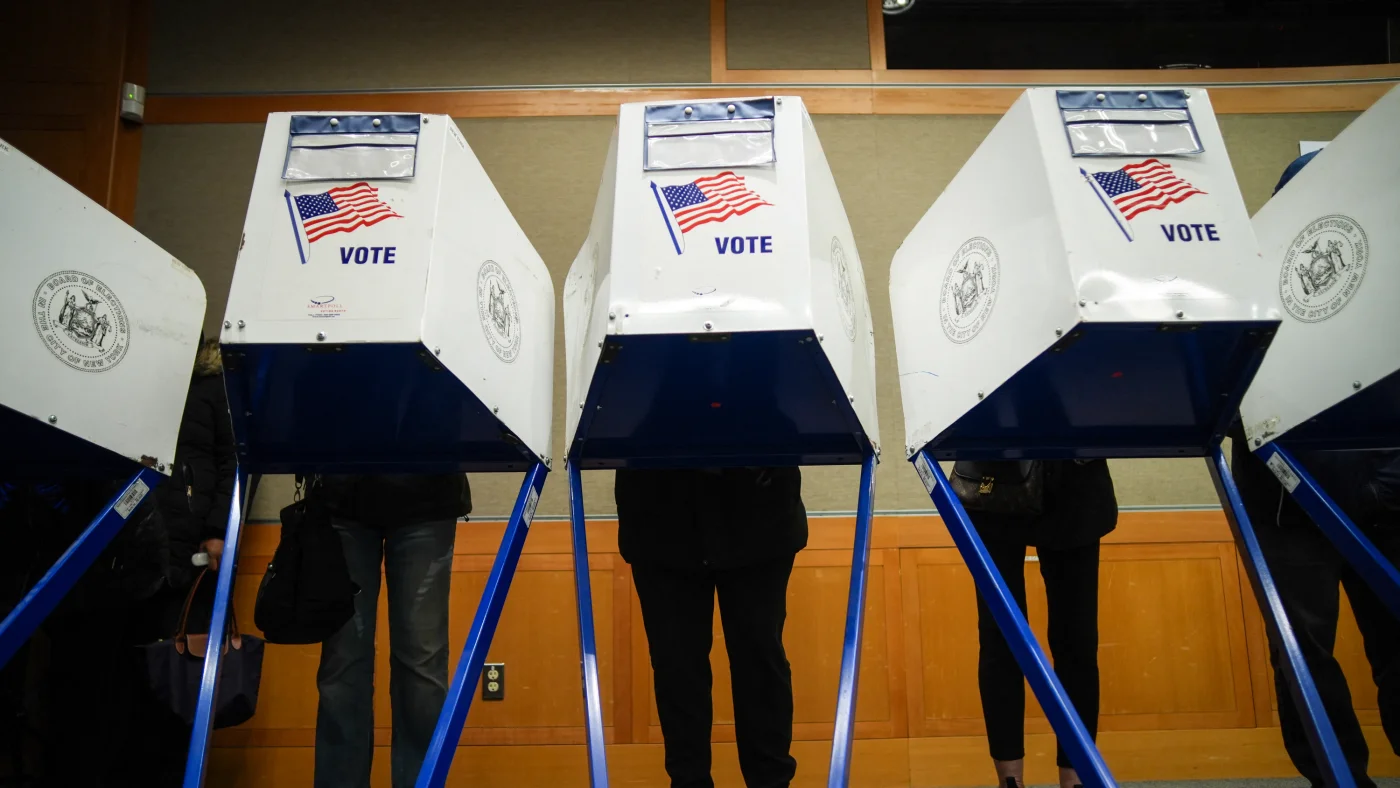
Democratic lawmakers and their staffers have formed an election protection task force alongside election litigators, scholars and nonpartisan governance organizations to address concerns about administration actions related to the upcoming midterm election. The coordination effort focuses on educating the public and state officials about election processes and ensuring election results are honored.
The Trump administration has undertaken several initiatives it characterizes as election integrity efforts, including gathering state voter records for law enforcement purposes, seeking to restrict mail-in voting, declining to invite international election observers and discussing the deployment of armed federal personnel to polling locations. White House spokeswoman Lauren Bis stated in October that the administration is taking action to protect elections through prosecuting election crimes, strengthening infrastructure security and protecting voters from fraud and coercion.
Task force members and advocacy organizations express concern that the administration may mischaracterize normal aspects of election administration as evidence of fraud. Democracy Forward, a legal nonprofit, characterized the administration’s efforts as “reckless” and stated they risk intimidating voters. Justin Vail of Protect Democracy described what he characterized as a three-step approach: manufacturing false claims about voter fraud, disrupting state election management, and ultimately denying unfavorable results. Election litigator Marc Elias noted that his firm has been involved in dozens of lawsuits across all states addressing what he views as election interference efforts.
Disputes have centered on mail-in ballot delivery policies and efforts to obtain state voter data. The Department of Homeland Security has worked to gather voter rolls to identify allegedly illegally registered noncitizens. According to the State Democracy Research Initiative at the University of Wisconsin-Madison, 31 federal lawsuits have been filed seeking state voter data. Most states have resisted compliance, citing privacy laws and constitutional provisions delegating election administration to states. On October 9, 2026, a federal district court ruled that the Justice Department’s voter data collection program exceeded its authority and violated federal law.
Article Attribution | Read More at Article Source
Article summary produced by Claude AI