

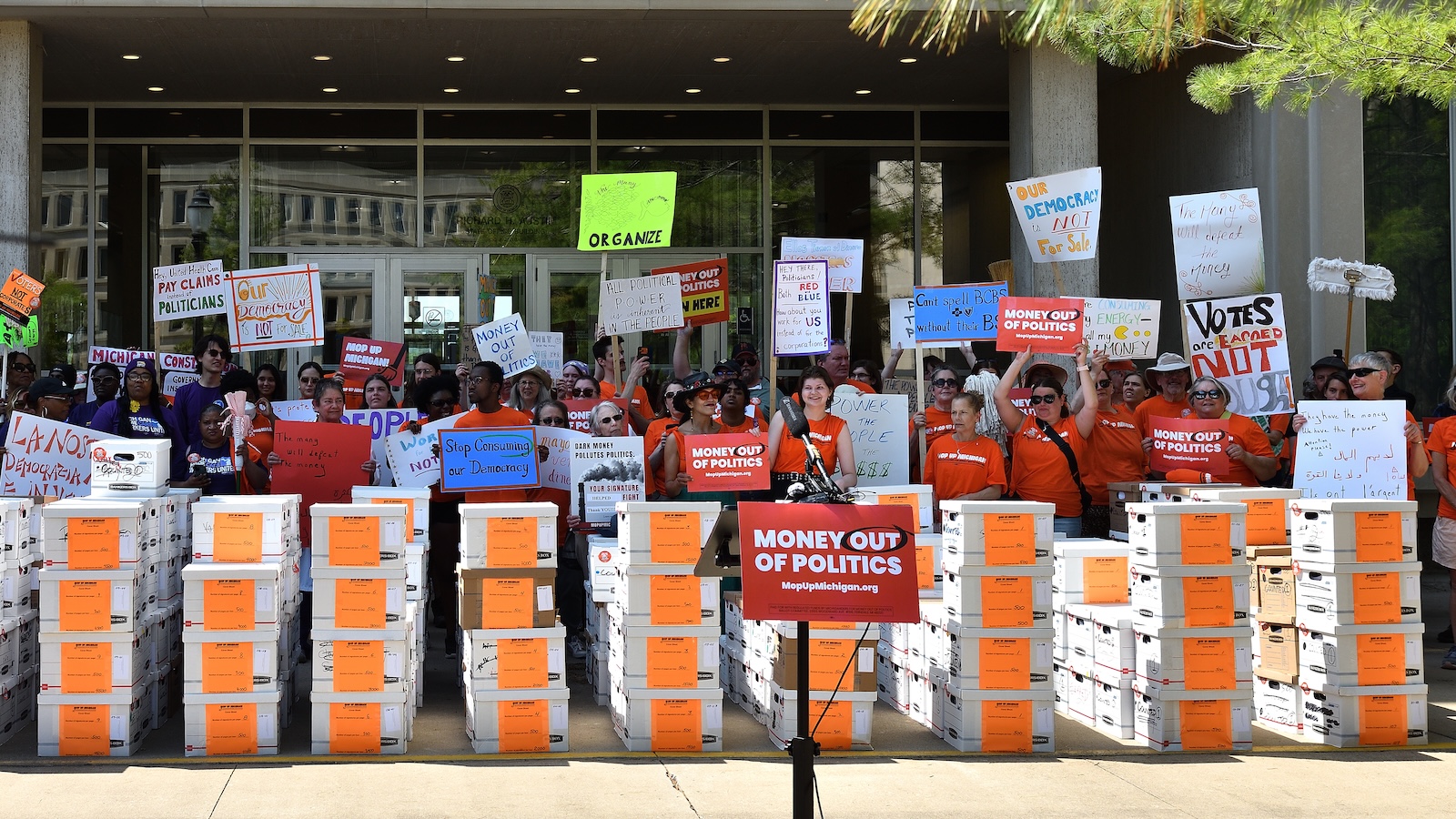
Michigan residents will vote on a ballot proposal designed to restrict the political influence of the state’s utilities and other government contractors. The initiative comes amid growing public frustration over high electricity rates—among the highest in the nation—and service reliability issues, including extended outages caused by severe weather events in recent years.
The measure, known as Proposal 2, would prohibit utilities from funding political action committees that contribute directly to campaigns. It would also ban contributions from utility executives, board members, and their family members to political candidates and parties. The restrictions would extend to other companies holding state or local government contracts valued at more than $250,000. Additionally, the proposal would increase transparency requirements for certain political advertisements and establish clearer legal definitions for online political ads.
Currently, Michigan law prohibits direct corporate donations to campaigns, but utilities have circumvented these restrictions through PACs and other mechanisms. Last year, Michigan lawmakers accepted $421,000 in corporate utility donations, with contributions exceeding $1.6 million across state and local races during the 2022 election cycle. Supporters argue that limiting utility influence would free lawmakers to hold companies accountable on rate hikes, service quality, and environmental concerns, including climate goals requiring 100 percent renewable energy by 2040.
A coalition called Michiganders for Money Out of Politics gathered 560,000 signatures to place the measure on the ballot. Polling from supportive organizations shows strong voter approval. However, critics including utilities and groups like Protect MI Free Speech contend the proposal infringes on free speech rights and fails to address influence from out-of-state organizations. The opposition has raised approximately $851,000, with $232,000 coming from utility interest groups.
Article Attribution | Read More at Article Source
Article summary produced by Claude AI