

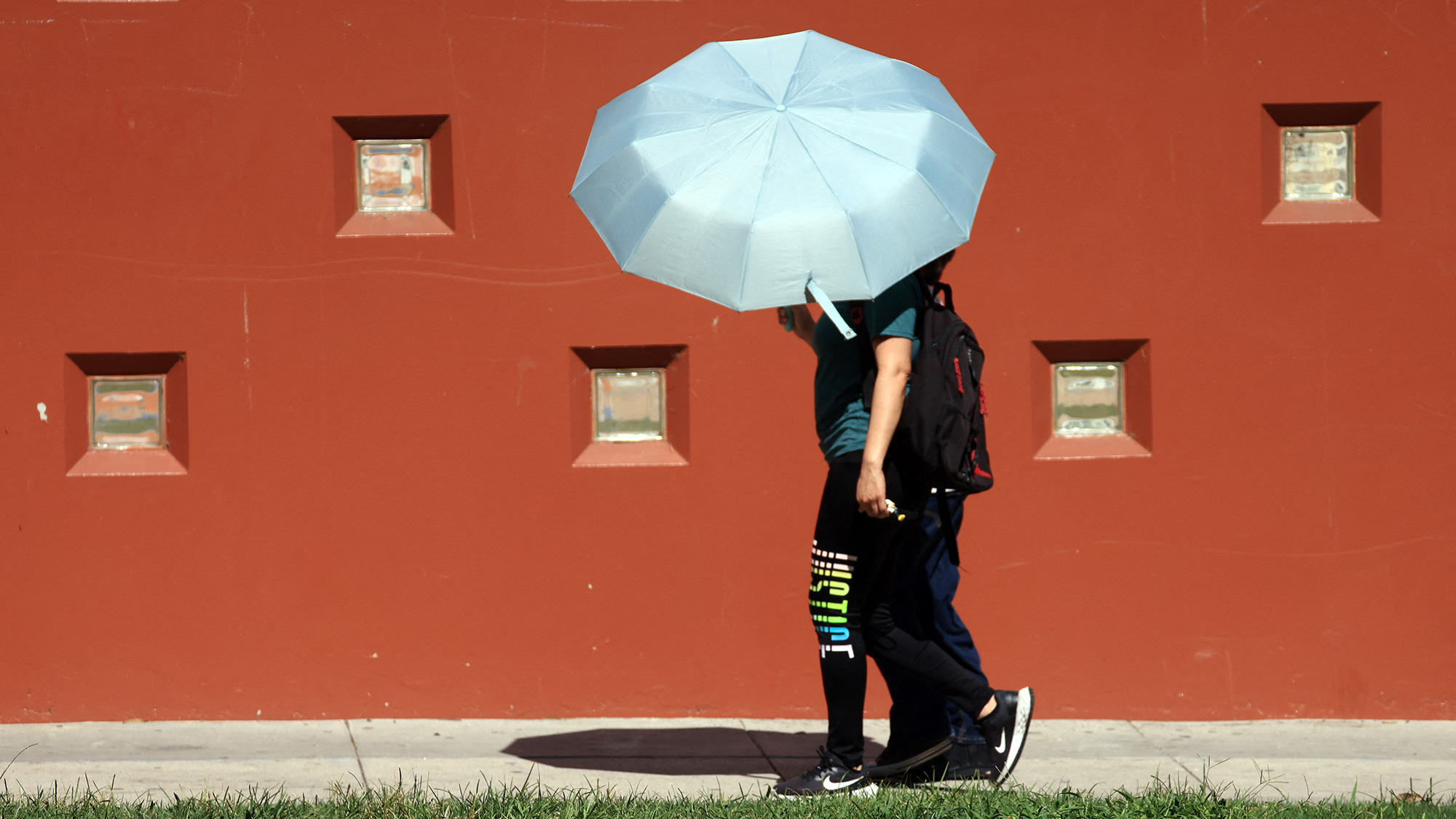
Philadelphia experienced a busy Fourth of July weekend for gun violence during a heat dome that brought record temperatures across the eastern United States. The Gun Violence Archive recorded nine shootings in the city over July 2 to 4, resulting in three deaths and nine injuries. Local violence prevention workers noted that vulnerable populations with limited access to air conditioning become more irritable in extreme heat, potentially contributing to increased violence.
Research has long confirmed a connection between rising temperatures and increased gun violence. However, quantifying the specific impact of climate change on these incidents has remained elusive until now. Climate Central, a nonprofit research organization, analyzed data from the 100 U.S. cities with the highest gun violence rates and estimated that approximately 1,950 shootings between 2021 and 2025 can be attributed to temperatures made more likely by climate change. This represents roughly 1.7 percent of total shootings recorded during that period across these cities.
The research methodology involved developing city-specific models that account for how temperature variations affect shooting incidents differently depending on local climate conditions. Researchers then used 22 global climate models combined with actual temperature records to determine what temperatures would have occurred without climate change. By comparing these hypothetical temperatures to actual recorded temperatures, they calculated that climate change has made the average day in studied cities approximately 2.4 degrees Fahrenheit hotter, with variations ranging from 1.7 degrees in San Francisco and Miami to 3.8 degrees in Fresno, California.
Exceptionally, Philadelphia showed a gap of about 2.7 degrees Fahrenheit, associated with an estimated 149 additional shootings over the five-year period. The July Fourth heat dome was determined to be at least twice as likely to occur due to climate change. Researchers emphasize that while these figures represent estimates influenced by multiple factors, the directional trend is clear: climate change is increasing shooting incidents. As global temperatures continue to rise without significant reductions in heat-trapping emissions, gun violence is expected to face additional upward pressure, with the burden likely falling heaviest on neighborhoods already experiencing high violence rates.
Article Attribution | Read More at Article Source
Article summary produced by Claude AI