

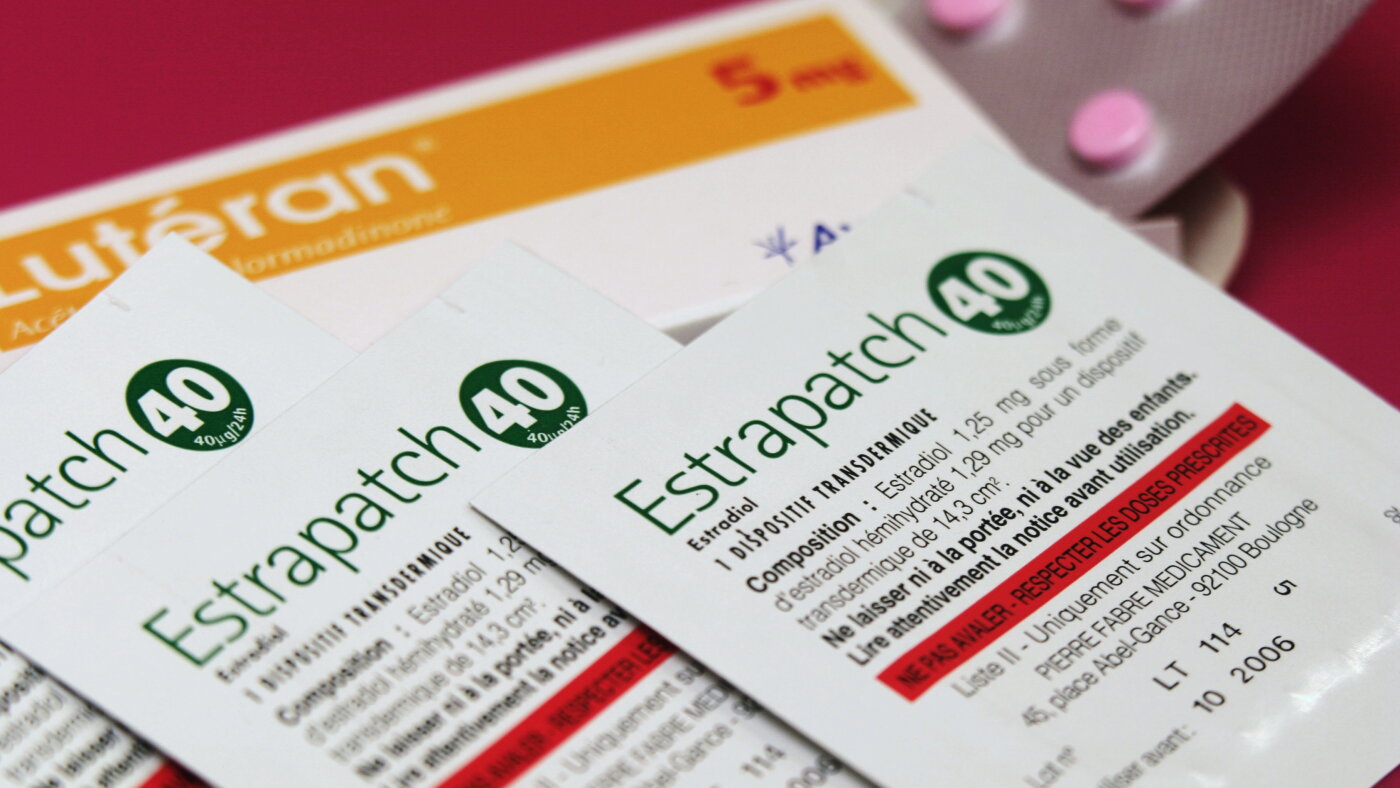
The American College of Obstetricians and Gynecologists released updated clinical guidance on managing menopausal symptoms, marking the first major revision of its recommendations since 2014. The updated guidance emphasizes an individualized treatment approach and highlights the expanded range of therapeutic options now available to physicians and patients dealing with hot flashes, night sweats, insomnia, and mood fluctuations.
A central focus of the new recommendations involves the reassessment of hormone replacement therapy safety. The guidance underscores that the safety profile of HRT is “well-established,” contrasting with concerns raised by a landmark 2002 study. Researchers have since identified limitations in that earlier research, including that most participants were aged 60 or older, which complicated efforts to apply the findings broadly to younger women entering menopause or perimenopause. With access to additional higher-quality studies, physicians now have stronger evidence supporting HRT as a viable treatment option, particularly for women within 10 years of their final menstrual period or before age 60.
Beyond hormone replacement therapy, the guidance highlights newer nonhormonal medications that received regulatory approval in recent years. These include fezolinetant and elinzanetant, which were specifically developed based on modern understanding of thermoregulation and sleep physiology. These drugs function by blocking chemical messengers in brain regions that control body temperature and sleep-wake cycles. The guidance also continues to recommend gabapentin, an anticonvulsant medication that can benefit patients unable to tolerate hormone therapies or newer medications.
The recommendations address specific patient populations, including women with and without a uterus. For women retaining their uterus, ACOG endorses combined estrogen-progestogen therapy or alternative formulations like the estrogen-bazedoxifene combination. Progestogen inclusion protects against endometrial cancer risk from estrogen alone. For women who have undergone hysterectomy, estrogen-only therapy is recommended. Beyond pharmaceutical interventions, the guidance acknowledges cognitive behavioral therapy, mindfulness practices, exercise, clinical hypnosis, and acupuncture as supportive measures, though it notes the evidence supporting these approaches is less robust than that for HRT.
Clinical leaders stress the importance of individualized decision-making and patient-physician conversations about treatment benefits and drawbacks. With approximately 2 million women entering menopause annually, and with estrogen product shortages reflecting increasing demand, effective communication about the full spectrum of available options remains essential to ensure informed choices and counter misinformation circulating about hormone therapies.
Article Attribution | Read More at Article Source
Article summary produced by Claude AI