

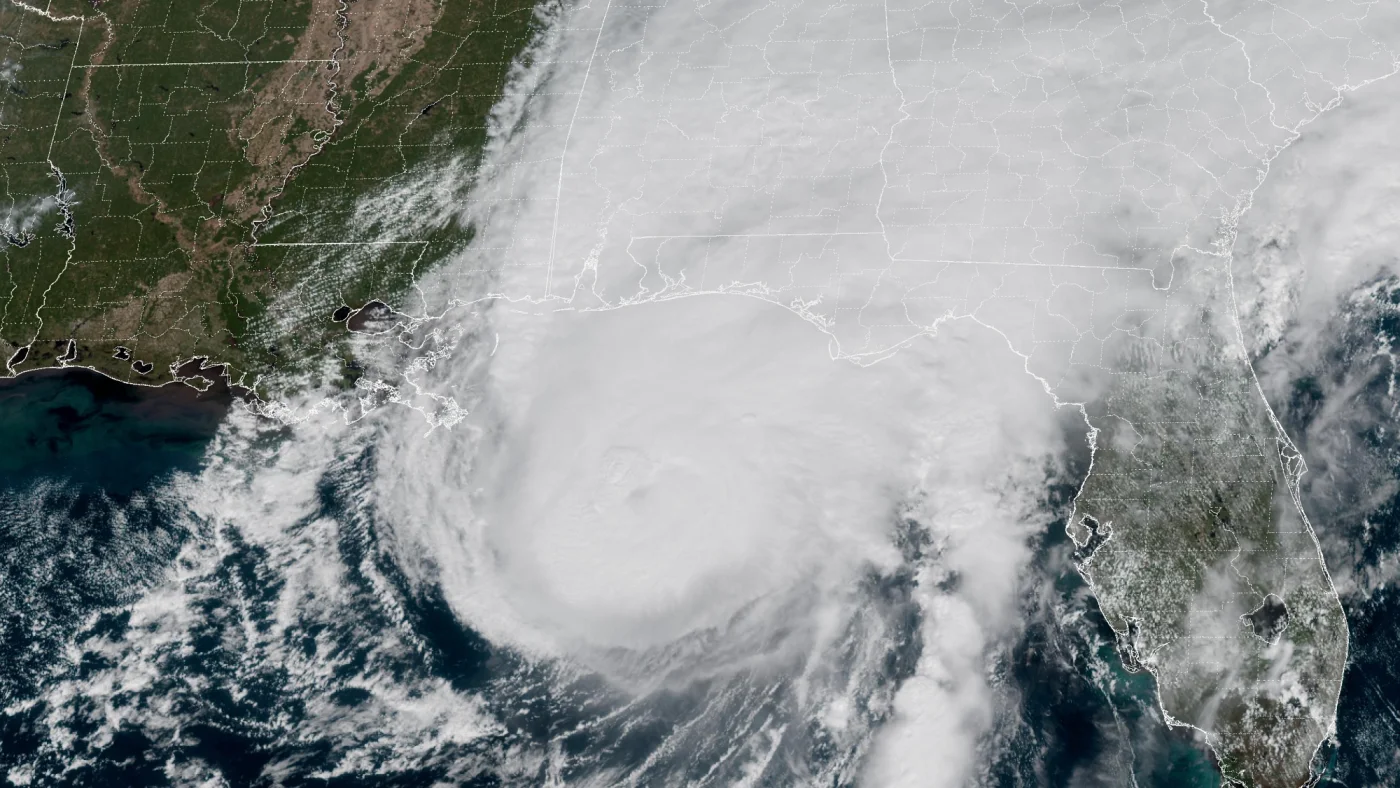
Artificial intelligence is increasingly reshaping hurricane forecasting capabilities, with technology-based models demonstrating significant advantages over conventional prediction systems. When the Atlantic hurricane season’s first storm formed in October, an AI model developed by Google DeepMind successfully predicted that Hurricane Isaias would make landfall near Destin, Florida, as a Category 2 storm, while traditional forecasting models initially projected it would travel further west toward southeastern Louisiana. The National Hurricane Center incorporated the Google DeepMind model into its official forecasts last year, and by the end of the 2025 Atlantic hurricane season, it had already established itself as one of the most accurate models available.
The performance of AI-based forecasting represents a remarkable departure from typical technological adoption timelines in meteorology. Traditionally, new prediction models require years of refinement before becoming reliable tools. The Google DeepMind system, however, demonstrated exceptional accuracy shortly after introduction, achieving results that experts describe as unprecedented in the field. Michael Lowry, a meteorologist and hurricane expert, characterized the model as achieving “gold standard” status and noted it represents “the best performing computer model that we’ve ever seen.”
AI models operate on fundamentally different principles compared to traditional physics-based systems. While conventional models rely on real-time atmospheric data such as temperature, humidity, and pressure measurements from satellites and aircraft to apply established atmospheric equations, AI models function by identifying patterns within historical storm data and atmospheric information. This approach enables rapid pattern recognition but creates challenges for meteorological professionals. The developers of many AI models are primarily software engineers rather than meteorologists, and the systems operate as what experts call a “black box,” making it difficult for forecasters to understand exactly why predictions succeed or fail.
Despite their advantages, AI models have limitations. While the Google DeepMind system excelled at tracking Hurricane Isaias’s path, it was less successful than traditional forecasts in predicting the storm’s intensity or strength. The National Hurricane Center continues employing a consensus approach, blending multiple proven models—both AI and traditional—when developing official forecasts. Human forecasters remain essential in translating model outputs into clear, actionable guidance for the public, providing continuity and interpretation that technology alone cannot deliver.
The field of hurricane forecasting continues evolving through multiple technological advances. According to meteorological experts, AI models are achieving improvements in months that would have historically required a decade to accomplish through conventional development processes. These rapid advancements represent a significant acceleration in weather prediction capabilities, though experts emphasize that comprehensive forecasting benefits from combining various methodologies and sustained human expertise.
Article Attribution | Read More at Article Source
Article summary produced by Claude AI