

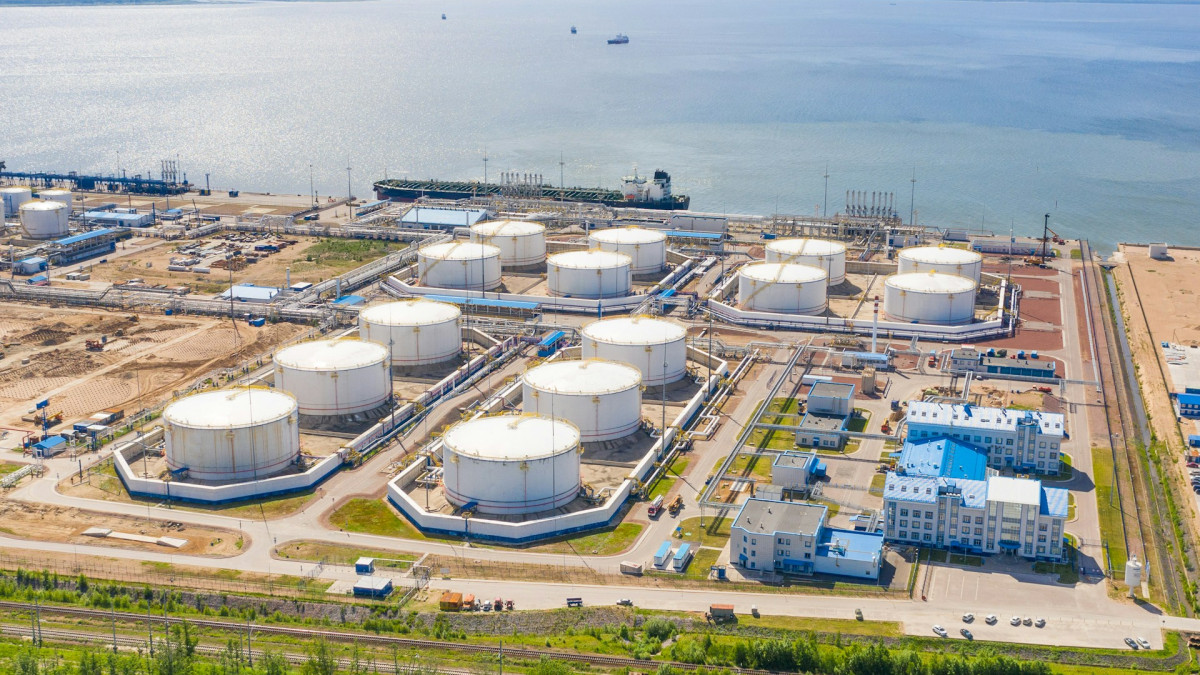
The Strategic Petroleum Reserve reached 283 million barrels at the end of September, marking its lowest inventory level since October 1982 when the reserve was still being filled during its initial establishment. The sharp decline reflects a significant drawdown that began following Russia’s invasion of Ukraine, when the Biden administration released 180 million barrels in what the Government Accountability Office characterized as the largest sustained drawdown in the reserve’s history.
Unlike the 2022 sales, the current effort to maintain energy security operates through a series of oil exchanges rather than outright sales. The Department of Energy committed 172 million barrels to a coordinated 400-million-barrel release authorized by the International Energy Agency in response to regional tensions. Under these exchange agreements, companies borrow crude oil now and repay it later with significant premiums, ranging from 18% to 28% depending on market conditions. The higher premiums compared to previous exchange programs reflect current market dynamics where oil for immediate delivery commands substantially higher prices than oil contracted for future delivery.
Replenishing the reserve presents significant complications beyond simply reversing the drawdown. The repayment contracts extend into late 2028, creating a timeline that aligns with the conclusion of the current presidential administration. Experts disagree substantially on how low the reserve can safely decline. The Energy Department identifies a physical minimum of approximately 70 million barrels needed to maintain operational extraction systems. However, petroleum engineering specialists suggest practical concerns arise well before reaching that threshold, with some recommending the reserve remain above 250 million to 300 million barrels to protect the integrity of the storage caverns. Congressional guidelines establish a floor of 252.4 million barrels for certain circumstances, though these restrictions do not apply to emergency exchange operations.
The challenge of replenishment will fall to Energy Department leadership in coming years, as companies must locate and deliver replacement barrels in markets that may face supply constraints. Market conditions during the repayment windows will significantly influence whether the exchange strategy achieves its intended outcome of refilling reserves without direct taxpayer cost.
Article Attribution | Read More at Article Source
Article summary produced by Claude AI