

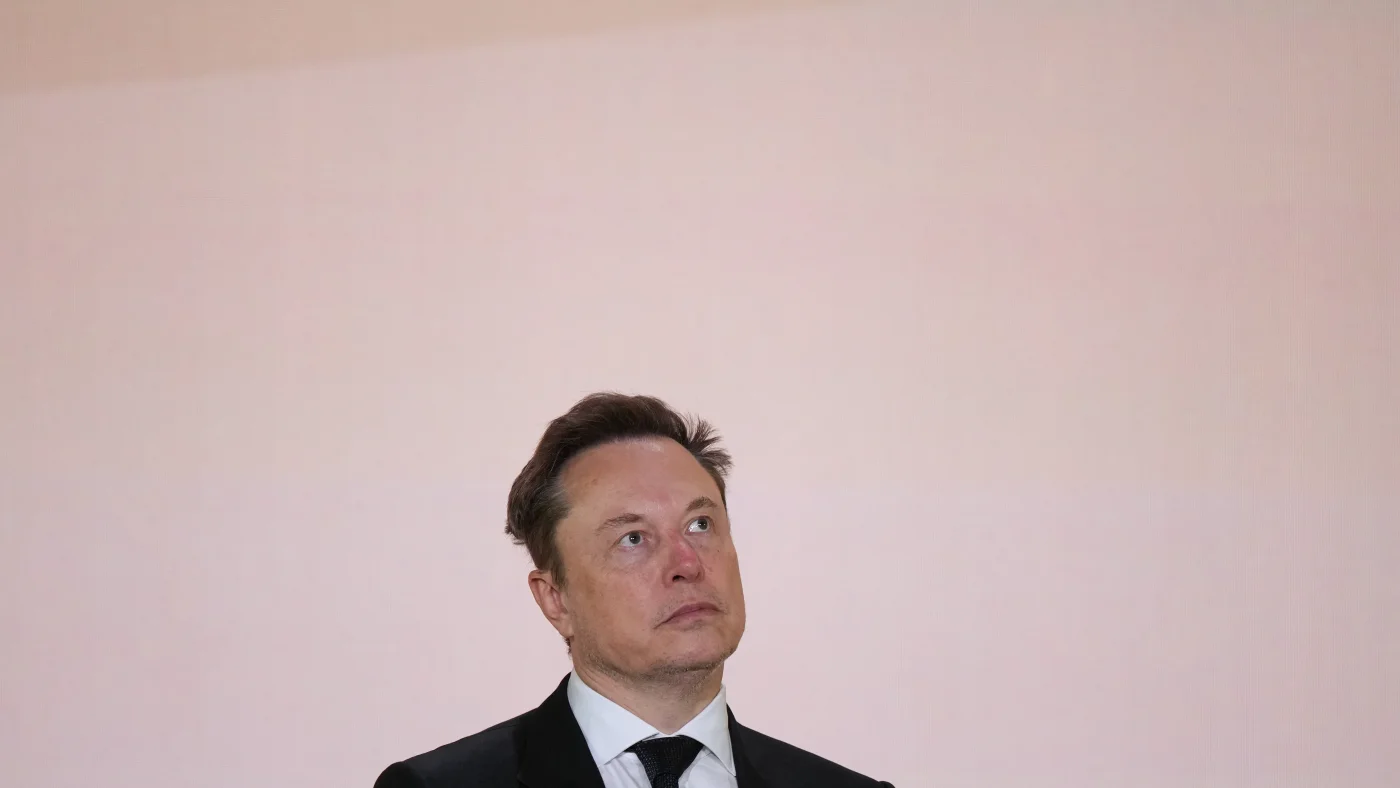
Elon Musk’s political spending and influence have drawn scrutiny and comparison to historical figures in American business and politics. According to media reports including The Washington Post and CNN, Musk has donated more than $400 million to Republican causes in advance of this year’s midterm elections, amounts that exceed combined Democratic contributions from mega-donors Michael Bloomberg and George Soros. His financial backing, combined with his control of major companies including SpaceX and Tesla, raises questions about the concentration of private wealth and political power.
Historians and analysts offer differing perspectives on the significance of Musk’s influence. David Nasaw, an emeritus professor at City University of New York who has studied Andrew Carnegie, characterizes the relationship between Musk’s government contracts and his political spending as problematic. Nasaw notes that Musk’s companies have received over $30 billion in federal contracts, subsidies, loans and tax credits over time, and argues the current system lacks adequate checks on such concentrated power. Conversely, Richard White, an emeritus history professor at Stanford, suggests Musk’s influence is not historically unique, pointing to J.P. Morgan’s dominance during the Gilded Age. White notes that Morgan bailed out the U.S. financial system in 1895, positioning him as a co-partner with government.
Other observers defend wealthy individuals’ political participation. Marian Tupy, a senior fellow at the libertarian Cato Institute, argues that non-conformists like Musk drive innovation and economic growth, and characterizes political spending as a constitutional right. However, massive campaign spending does not guarantee electoral success; Musk spent over $20 million on a Wisconsin Supreme Court race last year only to see his candidate lose by 10 percentage points.
Historians note that Musk’s political fortunes may depend on the party in power. Stanford’s White suggests a Democratic president and Congress could significantly curtail Musk’s influence, given SpaceX’s dependence on government funding. H.W. Brands, a historian at the University of Texas at Austin, characterizes the debate as reflecting long-standing American tensions between democracy and capitalism, noting that similar concerns prompted progressive-era trust-busting in the early 20th century. Brands suggests the country may be entering another period of democratic reform.
Article Attribution | Read More at Article Source
Article summary produced by Claude AI