

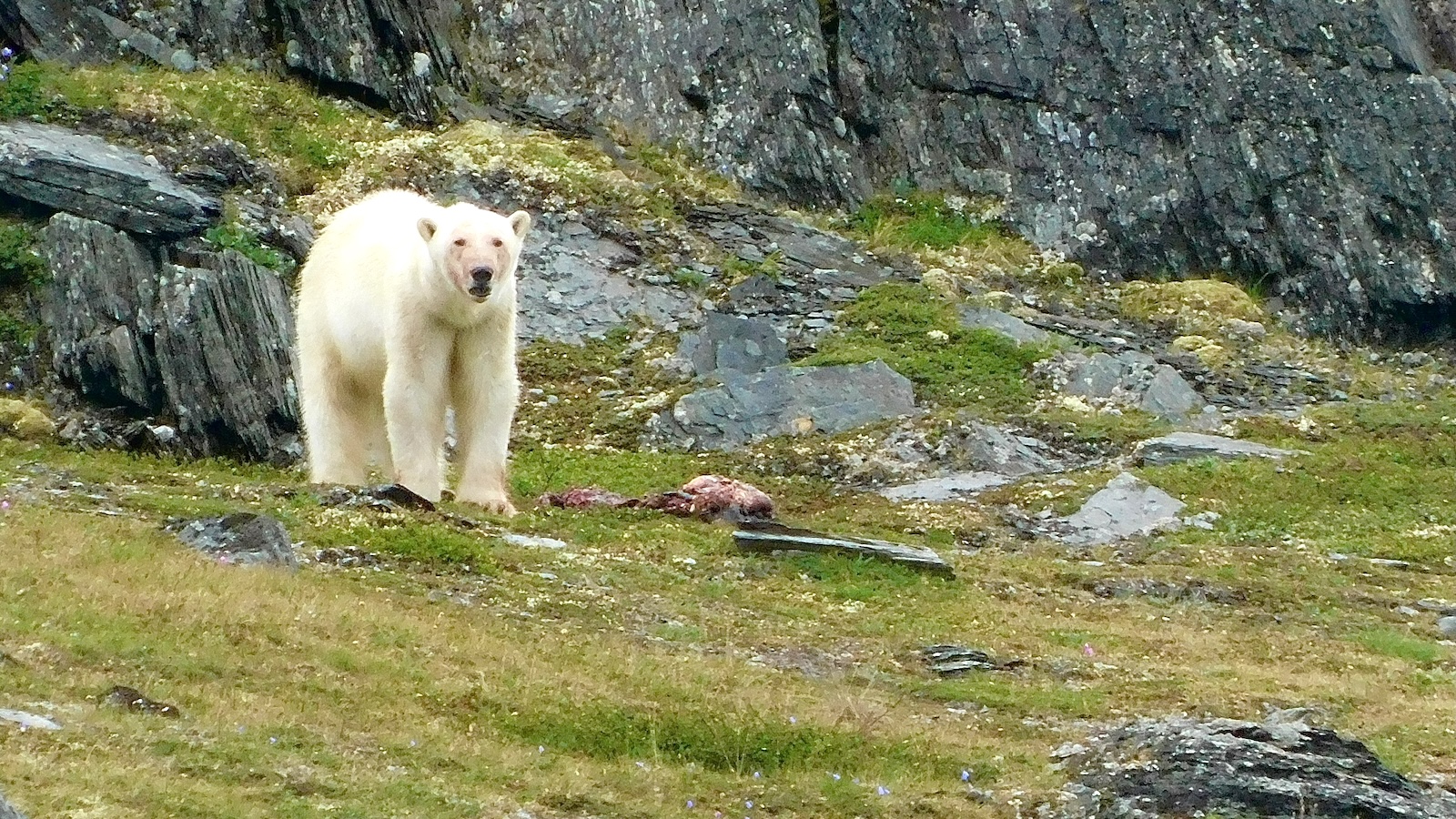
In the Inuit community of Tikigâksuagusik in Nunatsiavut, Labrador, a bear safety training initiative has grown in response to changing environmental conditions in the Arctic. Derrick Pottle, a retired Canadian conservation officer and community elder, established BearSafe Planning in 2005 to train and certify individuals capable of protecting both people and bears in northern Labrador, where both polar bears and black bears are present.
The three-day certification course teaches participants to recognize signs of bear distress, employ protective tools, and maintain safety in bear country. As Arctic temperatures rise at rates significantly faster than global averages, climate change is fundamentally altering polar bear behavior and distribution patterns. Longer ice-free seasons are forcing bears to remain on land during extended periods, and communities are reporting sightings of polar bears in locations and seasons where encounters were historically uncommon. Canadian environmental officials confirm that human-bear conflicts are becoming more frequent due to these shifting conditions.
Pottle developed the training program in collaboration with Parks Canada, conservation groups, Inuit elders, and academic researchers. The initiative emerged from practical necessity following the creation of Torngat Mountains National Park in 2005, when trained bear guards became essential personnel for park operations. The Arctic’s rapid warming continues to amplify the demand for qualified guards across Inuit territories.
Certified bear guards find employment through multiple channels, including national parks, cruise ship operators, and government agencies. Beyond professional opportunities, community members pursue training for personal protection during hunting, fishing, and other traditional land-based activities. Sherri Wolfrey, a mother of four from Tikigâksuagusik, obtained certification and has since worked professionally as a bear guard in protected areas. Pottle emphasizes ongoing learning, regularly consulting with elders, hunters, and trainees to incorporate accumulated knowledge into program curriculum.
Article Attribution | Read More at Article Source
Article summary produced by Claude AI