

Derrick Pottle, an Inuit elder and former Canadian conservation officer from the community of Tikigâksuagusik in Nunatsiavut, established BearSafe Planning in 2005 to train and certify bear guards for the northern Labrador region. The three-day training course prepares participants to manage encounters with polar bears and black bears by teaching them to recognize animal behavior and utilize appropriate safety tools and techniques.
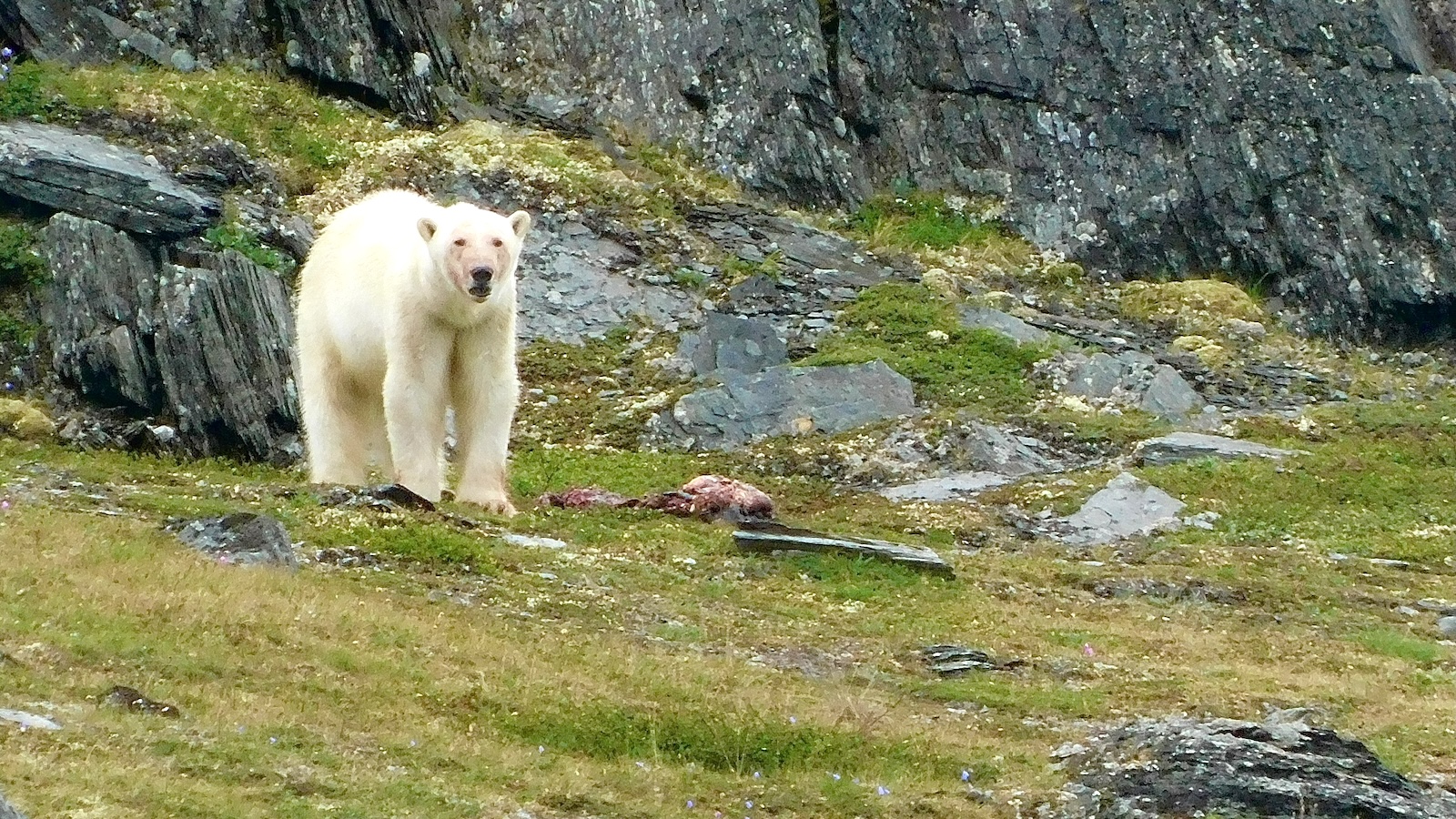
Climate change is fundamentally altering Arctic ecosystems and bear populations across northern Canada. Warmer temperatures are causing sea ice to diminish and ice-free seasons to lengthen, forcing polar bears to spend extended periods on land rather than traveling and hunting on ice. This shift has resulted in bears appearing in communities and locations where they were historically rare, and at different times of year than previously documented. Canadian officials and researchers attribute the increase in human-bear encounters to multiple factors, including longer ice-free periods, changes in bear populations and their physical condition, and increased human activity in polar bear habitat.
The need for trained bear guards has become more pressing as these environmental changes intensify. Pottle notes that people are now encountering polar bears in areas of Inuit Nunangat where the animals traditionally migrated northward in late spring but now remain through the summer months. The Arctic is warming nearly four times faster than the rest of the planet, making this trend likely to continue. Roughly 60 to 80 percent of the world’s polar bear population resides in Canada, and federal and provincial authorities classify the species as vulnerable or of special concern.
BearSafe Planning’s training serves both employment and personal safety purposes within Inuit communities. Graduates work professionally as bear guards for national parks, cruise ship operators, and tourism outings, while others use their certification for personal protection during hunting, fishing, and other land-based activities. Sherri Wolfrey, a trained bear guard and mother of four, exemplifies this dual benefit, having recently worked professionally in a national park reserve while also applying her skills for family safety at remote cabins. Pottle continues to refine the program by incorporating knowledge from elders, hunters, and other experienced land users, recognizing that community members possess valuable insights that complement formal training.
Article Attribution | Read More at Article Source
Article summary produced by Claude AI