

Derrick Pottle, an Inuit elder and former Canadian conservation officer from Tikigâksuagusik in Nunatsiavut, established BearSafe Planning in 2005 to train and certify bear guards for communities throughout northern Labrador. The program offers three-day courses designed to teach participants how to recognize signs of bear distress, understand bear behavior, and employ appropriate safety tools and techniques.
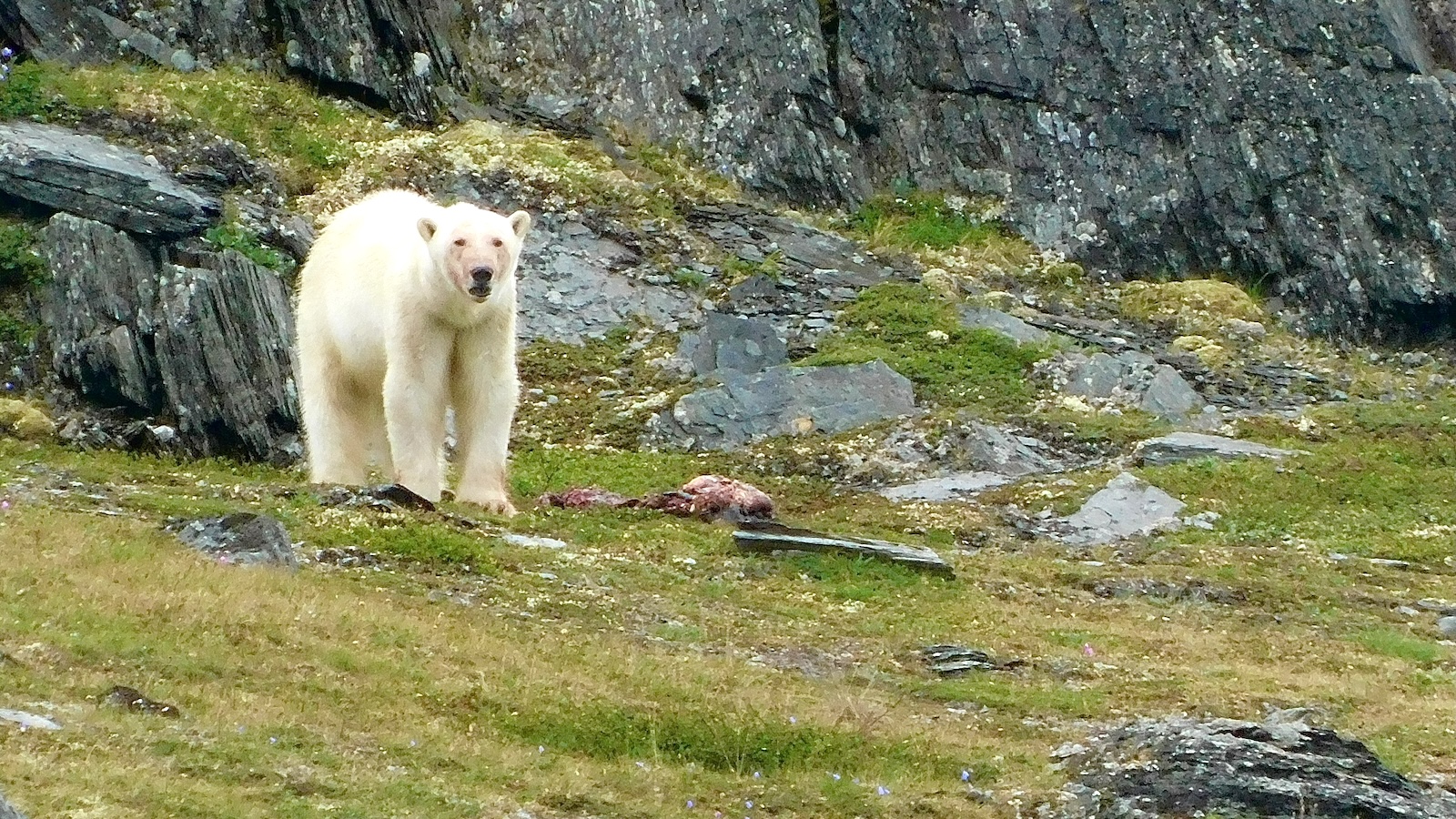
Climate change in the Arctic has intensified the need for trained bear guards. Rising temperatures have altered sea ice patterns that polar bears depend on for travel and hunting, causing the animals to remain on land for extended periods and appear in locations where they were historically uncommon. Canadian officials report that encounters between human populations and polar bears are becoming more frequent as ice-free seasons lengthen. Researchers attribute the increase to multiple factors, including prolonged ice-free periods, variations in bear populations and physical condition, and expanded human activities in polar bear habitat. The Arctic is warming at roughly four times the rate of the global average.
Pottle developed the BearSafe Planning curriculum in collaboration with Parks Canada, conservation specialists, Inuit elders, and academic researchers. The program emerged from a practical need following the establishment of Torngat Mountains National Park in 2005 under the Labrador Inuit Land Claims Agreement. Graduates use their certification for both employment and personal protection when engaging in traditional activities like hunting and fishing. Sherri Wolfrey, a mother of four from Tikigâksuagusik, exemplifies the program’s reach, having pursued training initially for personal safety and later securing professional contracts as a bear guard at Mealy Mountains National Park Reserve.
BearSafe Planning conducts courses on demand and has accommodated as many as 30 students simultaneously. Employment opportunities for certified guards vary seasonally and include positions with cruise ship operators providing tourist safety, government agencies managing outings, and community-based land programs. Pottle continues to view himself as a perpetual student, regularly consulting with elders and hunters to incorporate their extensive land-based knowledge and experiences into the training program.
Article Attribution | Read More at Article Source
Article summary produced by Claude AI