

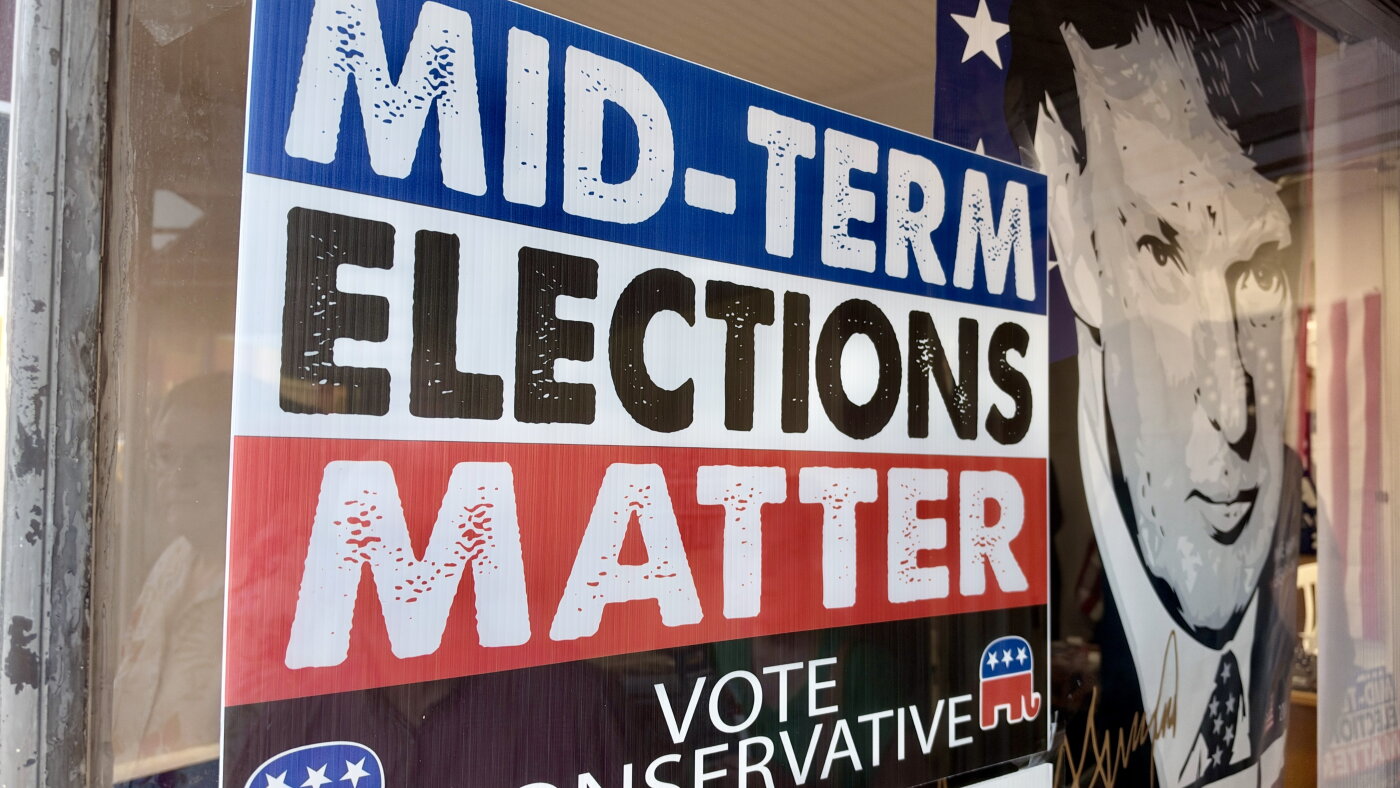
Kansas has emerged as a battleground state in the current election cycle, presenting contrasting political dynamics that illustrate broader national trends. A U.S. Senate race that few anticipated would be competitive has developed into a genuine toss-up, with Democrat Adam Hamilton, a religious leader and self-described independent-minded Democrat, holding leads in multiple polls against Republican incumbent Senator Roger Marshall. The race has prompted both national parties to redirect tens of millions of dollars in recent weeks to support their respective candidates.
Hamilton, the founding pastor of one of the nation’s largest United Methodist congregations, has positioned himself as a moderate seeking to reduce partisan polarization. He has garnered endorsements from conservative figures, including former Republican governors, and emphasized that Kansas Democrats differ significantly from Democratic politicians in more liberal-leaning states. His campaign centers on issues of affordability, healthcare, and restoring civility to political discourse. Republican leadership and voters have reportedly crossed party lines to support him, citing a desire for different values in leadership.
The Senate race’s competitiveness stems partly from voter dissatisfaction with aspects of President Trump’s second term agenda, particularly tariff policies and rising fuel prices that have affected the Midwest disproportionately. These economic concerns have driven down Republican Party favorability ratings even in traditionally Republican strongholds. The president announced plans to campaign for Marshall in Wichita during the following week to shore up support.
Meanwhile, Republicans maintain confidence in retaking the state’s governorship after eight years under Democrat Laura Kelly, who is term-limited. Republican State Senate President Ty Masterson leads in polling against Democrat Cindy Holscher in a race less influenced by national partisanship. Republicans have launched a statewide bus tour emphasizing state-focused issues like affordability, energy costs, and tax relief for working families, while pointing to Kelly’s frequent use of veto power against the Republican legislative supermajority as motivation for voters to support Republican candidates.
Article Attribution | Read More at Article Source
Article summary produced by Claude AI