

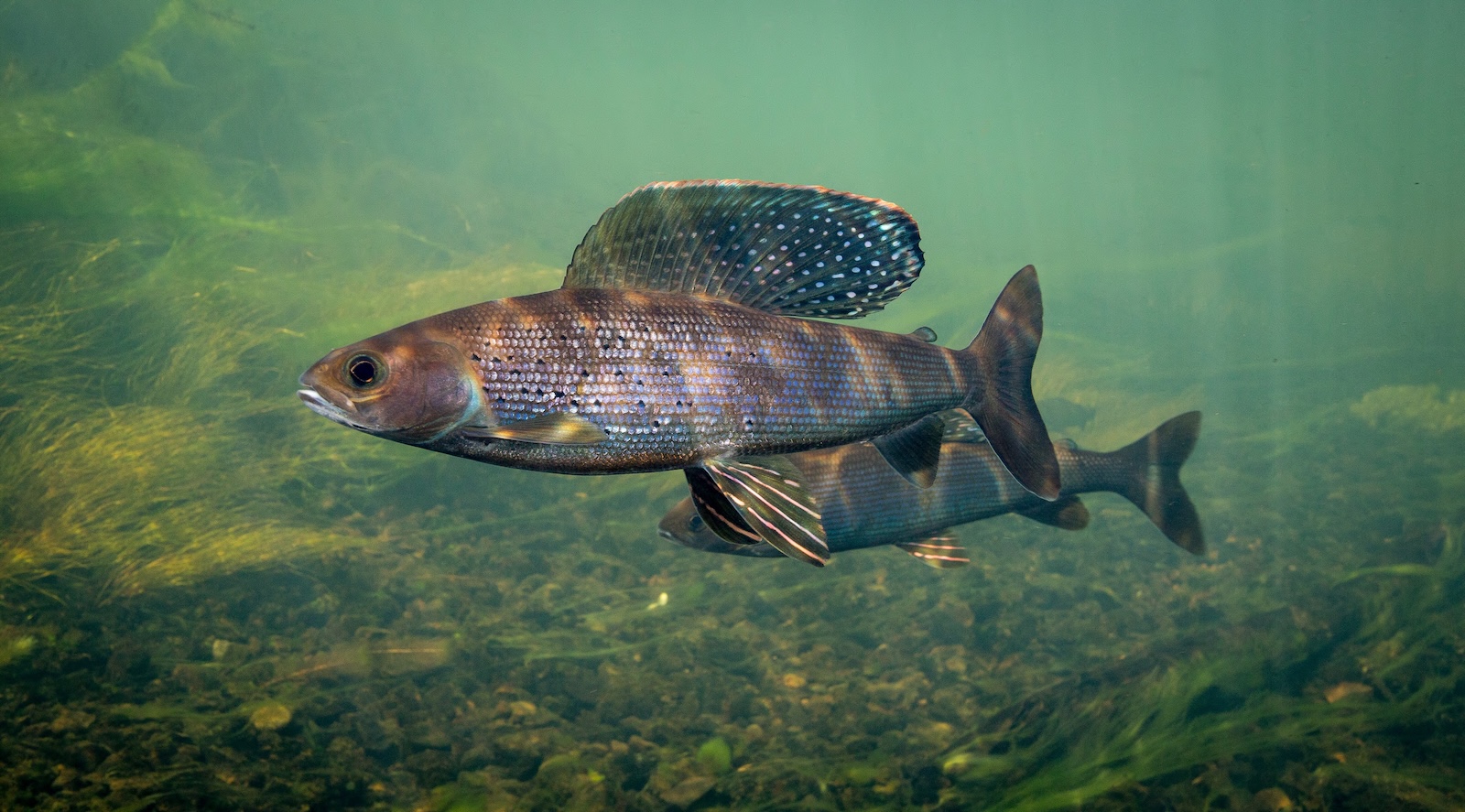
Three northern Michigan tribes—the Grand Traverse Band of Ottawa and Chippewa Indians, the Little River Band of Ottawa Indians, and the Little Traverse Bay Bands of Odawa Indians—have partnered with the state to restore Arctic grayling to regional waterways. The species vanished from Michigan by the 1930s as a result of logging, industrial activity, overfishing, and competition from non-native fish species.
The restoration initiative, supported by millions of dollars in combined state, federal, and private funding, began in 2025 when the three tribes received Arctic grayling eggs from a state hatchery. The eggs were sourced from Alaska’s Chena River, which maintains a more genetically diverse population than the only remaining Lower 48 population in Montana’s Big Hole River. The Grand Traverse Band raised approximately 8,000 young grayling during the summer and early fall, releasing them into the Boardman-Ottaway River. The Little River Band used in-stream incubators on the Manistee River to hatch roughly 391,000 grayling eggs, with estimated viability rates of 50 to 60 percent.
Survey efforts have presented significant challenges. No released grayling have been recaptured by any of the three tribes, though biologists attribute this to difficulties in locating fish rather than evidence of failure. The Little River Band observed tens of thousands of fry leaving incubators but has yet to confirm survival in the wild. Extreme weather conditions, including flood events and ice storms, have further complicated monitoring efforts and damaged previously prepared habitat areas.
Scientists project it will take six to eight years to determine whether reintroduction efforts have succeeded. Biologists expressed optimism about improved results, citing higher numbers and larger fish sizes in later releases compared to earlier attempts. However, long-term concerns persist regarding climate change, as Arctic grayling thrive in cold water and Michigan waterways are expected to warm in the future. The restoration work reflects broader tribal efforts nationwide to recover culturally and economically significant native species while strengthening ecosystem resilience.
Article Attribution | Read More at Article Source
Article summary produced by Claude AI