

Environmental monitors working in southern New Mexico have documented ongoing concerns related to fossil fuel extraction near the Black River and Pecos River region. The area sits within the Permian Basin, one of the nation’s most productive oil and gas regions, where hundreds of trucks daily transport produced water—a toxic byproduct of oil and gas development—to disposal facilities.
Produced water, which contains petroleum compounds, oilfield chemicals, and can be radioactive, has become increasingly problematic as extraction activities have intensified. On average, more than three barrels of wastewater are generated for every barrel of oil extracted in New Mexico. A thermographer documenting emissions in the region discovered evidence of multiple active flares near residential areas, despite state regulations banning nearly all flaring since 2022. Salt deposits and other residue from produced water have been observed accumulating on roadsides and potentially contaminating nearby waterways.
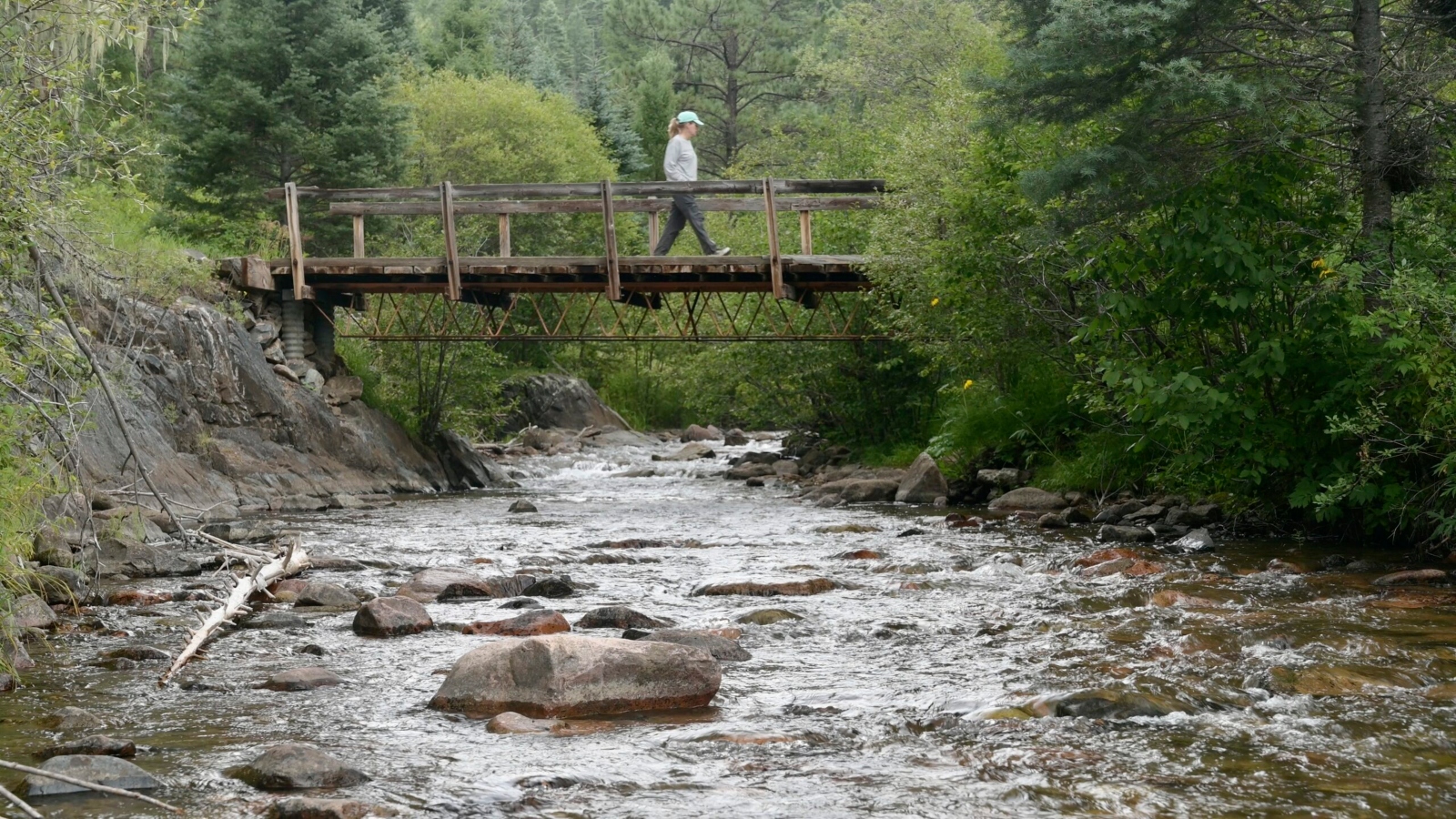
Meanwhile, the Pecos River itself faces compounding environmental challenges. Long-term geological data spanning nearly four decades indicates declining snowpack in the mountains where the river originates and reduced downstream flow measurements. As climate change reduces available water supplies, the river’s capacity to support agricultural and ecological functions diminishes. The environmental organization American Rivers has designated the Pecos as one of the nation’s most endangered rivers in multiple recent years.
The simultaneous pressures—intensive energy production paired with declining water availability—have created what observers characterize as a challenging landscape for environmental stewardship. The river’s transition from a wild, scenic waterway in its upper reaches to a managed conveyance through the industrial Permian Basin reflects broader tensions between energy extraction and environmental protection in the region.
State regulations governing produced water restrict its use to oilfield operations only, leading to the development of an extensive infrastructure for gathering, transporting, and reinjecting the material underground. This reinjection process has been associated with increased seismic activity and incidents of well failures that release toxic water into the environment.
Article Attribution | Read More at Article Source
Article summary produced by Claude AI