

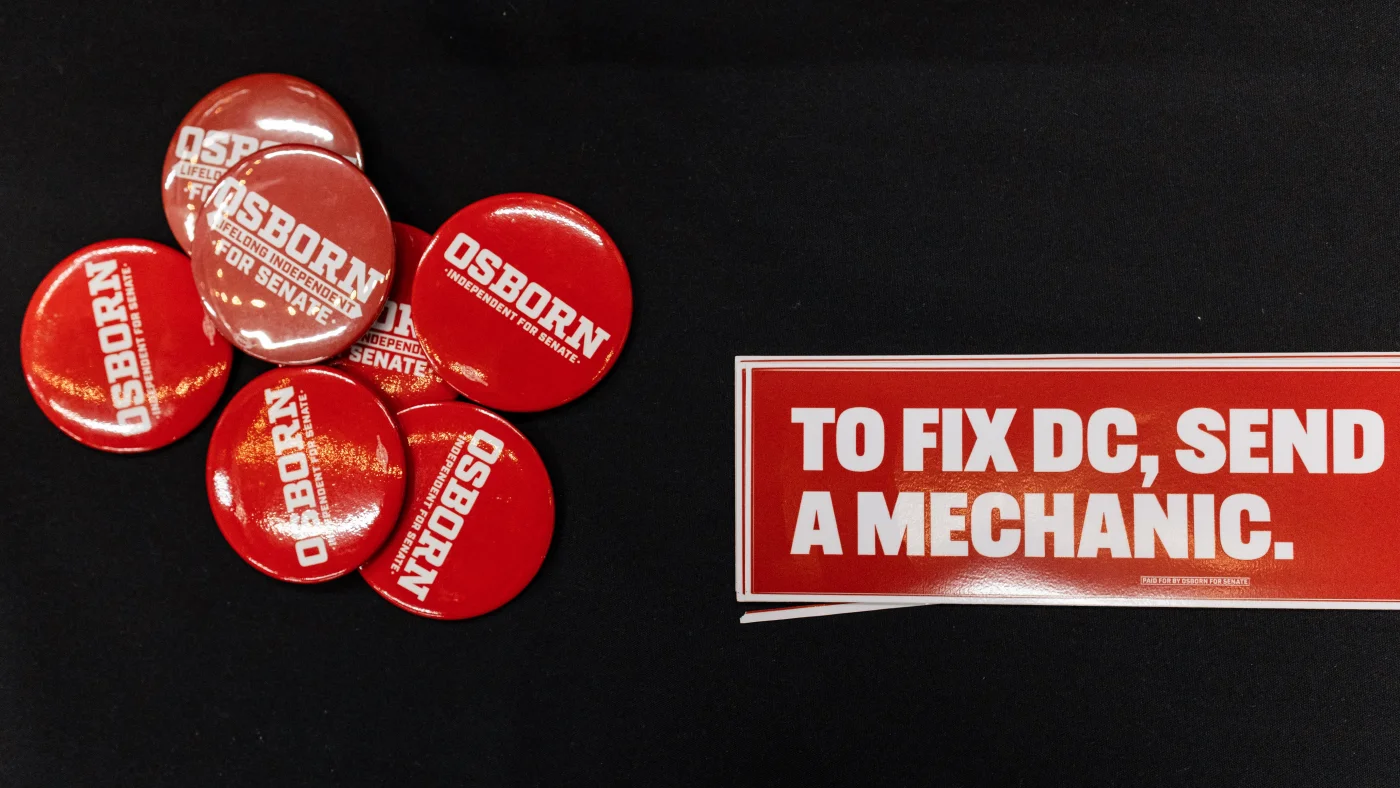
Four independent candidates are seeking U.S. Senate seats in states that President Trump won decisively, capitalizing on declining presidential approval ratings and voter concerns about affordability. The candidates—including Navy veteran Dan Osborn in Nebraska and former Green Beret Seth Bodnar in Montana—frame their campaigns around the idea that the two-party system has created legislative gridlock and that they can represent working families more effectively than traditional party politicians.
Democratic Party leadership faces a strategic dilemma across these races. While some Democrats, like Nebraska Democratic Party Chair Jane Kleeb, openly support building coalitions with independent candidates to help capture Republican-held seats, others worry about the long-term implications of not fielding competitive Democratic nominees. In Montana particularly, tensions have surfaced between party loyalists backing Democratic nominee Alani Bankhead and prominent Democrats including former Senator Jon Tester and former Governor Steve Bullock who have endorsed Bodnar. Former Governor Brian Schweitzer suggested that a Democrat-only strategy might have yielded better electoral results.
The independent candidates argue they bring a unique advantage by remaining unaffiliated with either party caucus. Bodnar has stated he would not join the Republican or Democratic caucus if elected, positioning himself as capable of working pragmatically across party lines. Current Senate independents Bernie Sanders and Angus King, by contrast, both caucus with Democrats, a distinction these candidates highlight as part of their differentiation.
Ranchers and other constituents in these regions cite specific grievances motivating their support for independent candidates. A Nebraska rancher referenced uncertainty around tariff policies and export conditions affecting his Wagyu operation as reasons for backing Osborn. These economic concerns, combined with frustration over partisan political dysfunction, form the core messaging of independent campaigns seeking to appeal to voters in traditionally Republican strongholds where Democratic brand recognition remains weak.
Article Attribution | Read More at Article Source
Article summary produced by Claude AI