

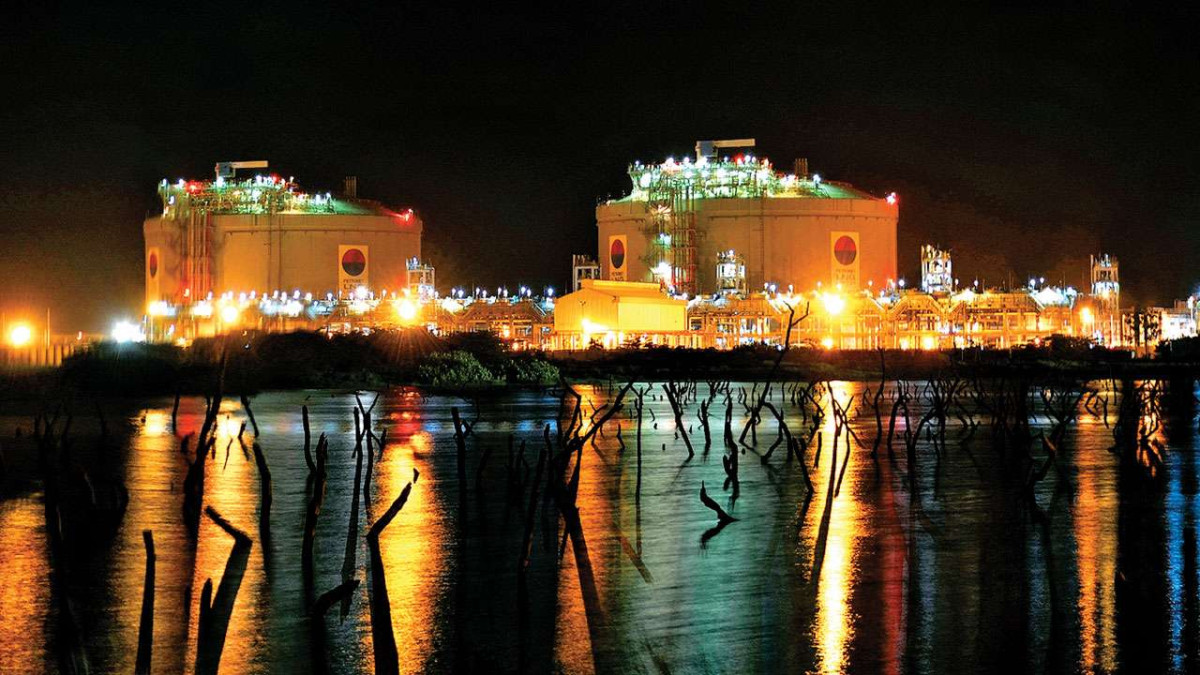
India is on pace to import approximately 2.8 million tonnes of liquefied natural gas in October, representing an 18% increase compared to the same month last year and marking a record high. This surge follows significant disruptions to global LNG supplies stemming from geopolitical tensions that began in late February 2026.
The composition of India’s LNG supply sources has undergone substantial shifts. Qatar, which previously provided roughly 45% of India’s annual LNG imports totaling 24.9 million tonnes in 2025, experienced a near-complete market exit. This disruption led to reduced Indian imports during the spring months before supplies from the United States filled approximately one-third of monthly arrivals through September. Recent months have seen a gradual restoration of deliveries from Qatar and the United Arab Emirates, with arrivals from these sources rising 80% and 30% respectively on a month-over-month basis.
The increased reliance on imported LNG reflects a widening gap between India’s gas consumption and domestic production capacity. Total gas consumption expanded from 60 billion cubic meters in 2022 to 68.5 billion cubic meters in 2025, while domestic production has remained relatively flat at 34-36 billion cubic meters annually. The domestic supply share has declined from 57% of total consumption in 2022 to approximately 47% during the first nine months of this year. September 2026 output fell to 2.73 billion cubic meters from 2.86 billion cubic meters in the prior year, representing a 4% decline.
Two sectors dominate India’s gas consumption and have driven the import spike. The fertilizer industry accounts for roughly 29% of total consumption, while city gas distribution represents another 28.5%. Government subsidies have insulated fertilizer producers from elevated global prices, enabling sustained production ahead of elections scheduled for February and March 2027. City gas distribution has emerged as the primary growth driver, with consumption rising approximately 20% year-over-year as household and business connections expand and alternative fuel supply disruptions redirect customers toward piped natural gas. Industrial consumers outside fertilizer production face substantially higher costs, with global LNG prices ranging from $32-33 per million British thermal units compared with $11 per million British thermal units a year earlier.
Article Attribution | Read More at Article Source
Article summary produced by Claude AI