

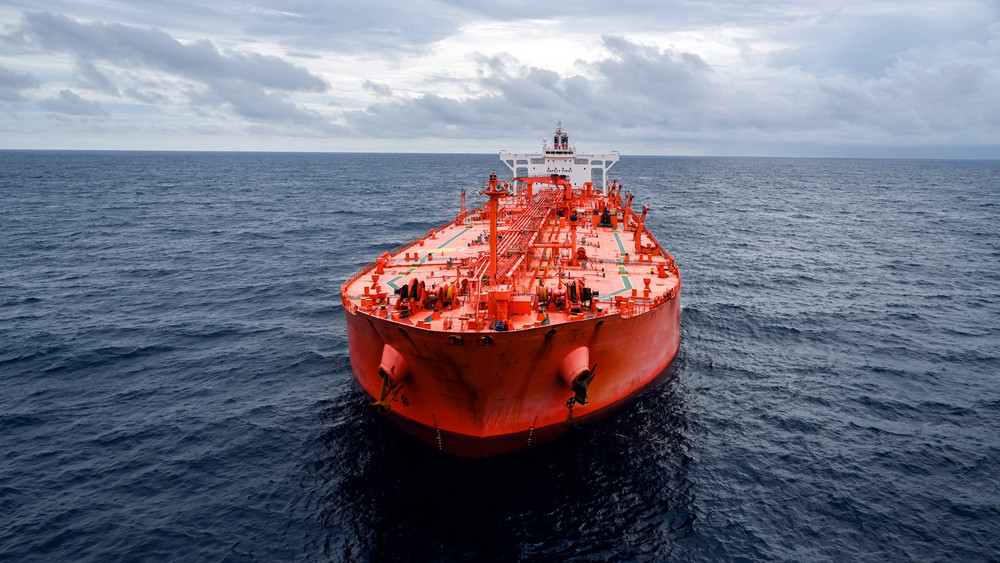
Crude oil exports from the Persian Gulf have rebounded to approximately 16.5 million barrels per day between early and late September, matching prewar volumes when Iran is excluded from the calculation. This recovery represents a substantial stabilization of regional oil supplies following earlier disruptions. However, the methods by which this oil reaches global markets have undergone dramatic transformation.
The geographical routing of petroleum has shifted considerably. Before the conflict, roughly 83 percent of regional crude transited through the Strait of Hormuz. Current data from September indicates only 60 percent of flows pass through the strait, with approximately 40 percent utilizing alternative pathways via pipelines and maritime routes through Saudi Arabia and the United Arab Emirates. Additionally, more than 70 percent of tankers crossing the strait in August engaged in offshore transfers in the Gulf of Oman, reflecting unusual operational procedures that diverge sharply from conventional commercial shipping practices.
These developments suggest that Iran’s capacity to disrupt maritime traffic through the Strait of Hormuz has weakened. Analysts note that Iran never formally controlled the waterway; rather, its leverage derived from the ability to create navigation hazards and impose costs on shipping enterprises. Increased US military protection for commercial vessels, combined with industry-developed circumvention strategies, appears to have diminished this coercive capability. According to energy market specialists, Iran’s willingness or capacity to target ships has declined as operators transit under military escort.
Despite the recovery in crude volumes, global oil prices have not returned to prewar levels. Shipping companies continue to operate under elevated risk conditions, with some accepting substantial dangers to transfer oil between vessels and others operating without standard insurance coverage. These persistent complications maintain what analysts describe as a war-related price premium embedded in petroleum costs.
The fundamental shift in export infrastructure suggests the Gulf’s oil-trading system has been partially reconstructed around disruption avoidance. As producers increasingly route supplies through alternative channels, Iran’s ability to exercise pressure through the strait diminishes proportionally. Nevertheless, the extraordinary measures required to maintain current export levels underscore that the Strait of Hormuz retains strategic importance and remains a potential vulnerability for the international energy system.
Article Attribution | Read More at Article Source
Article summary produced by Claude AI