

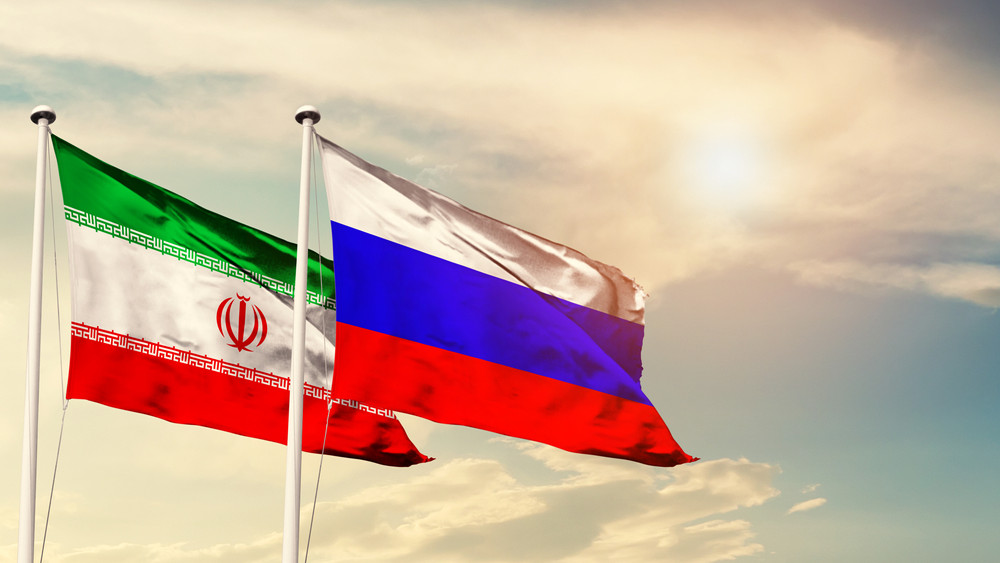
Russia and Iran have deepened their nuclear partnership as both nations contend with Western sanctions and international isolation. The collaboration centers on nuclear power generation, fuel provision, and technological knowledge transfer, with Russia’s state nuclear corporation Rosatom playing a central role. The relationship is formalized through a Comprehensive Strategic Partnership Treaty that entered into force in October 2025, with an operational roadmap established through a cooperation plan covering 2024–2026.
The Bushehr nuclear power station on Iran’s southern coast represents the cornerstone of this relationship. Russia signed a contract to complete Bushehr’s first reactor in 1995, though full commercial operation did not commence until 2013. Currently, construction continues on two additional reactor units at the site. The second unit has surpassed 60 percent completion with an anticipated start date of 2029, while work on a third unit is also progressing. Rosatom maintains an active presence at the facility, with approximately 135 engineering and technical personnel reported at the site as of October 11.
Beyond Bushehr, the two countries signed an agreement in September 2025 for construction of a new nuclear facility called Sirik in Iran’s Hormozgan Province near the Strait of Hormuz. The reported value of this agreement reached $25 billion, with planned combined capacity of approximately 5 gigawatts—surpassing the capacity of the completed Bushehr complex. Such infrastructure development would substantially deepen Iran’s dependence on Russian nuclear technology and fuel supplies over multiple decades.
For Russia, the nuclear partnership provides commercial opportunities and strengthens its geopolitical position in the Middle East. For Iran, the arrangement offers access to advanced nuclear technology, specialized expertise, and essential fuel supplies amid severe investment shortages. However, analysts suggest the balance of benefits favors Russia, particularly given Iran’s constrained economic circumstances and limited alternative sources of major infrastructure investment.
The expansion of nuclear cooperation occurs amid notable constraints on international monitoring. The International Atomic Energy Agency reported in June that it could not conduct inspections at several declared nuclear sites during its reporting period, particularly uranium enrichment facilities considered most sensitive. This oversight gap has raised concerns among nonproliferation specialists regarding transparency and the potential diversion of sensitive technologies.
Article Attribution | Read More at Article Source
Article summary produced by Claude AI