

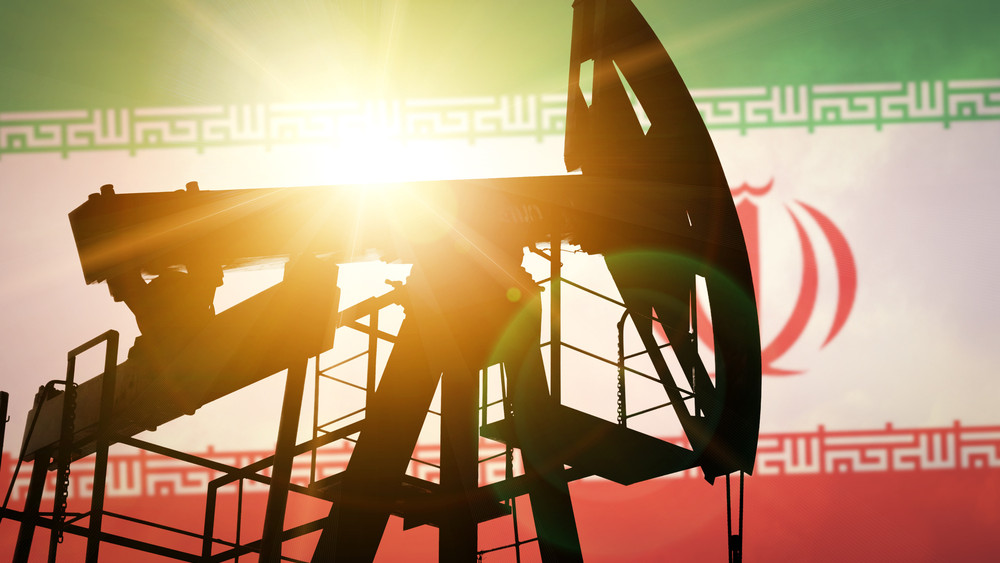
Tajikistan announced it is now receiving crude oil and petroleum products from Iran, marking a shift in the country’s energy sourcing strategy. The deliveries began in late August following bilateral discussions on expanding cooperation in the oil and gas sector. The Energy and Water Resources Ministry has not released details regarding shipment volumes, pricing arrangements, or transportation methods used to deliver the Iranian fuel to the landlocked nation.
The initiative comes as Tajikistan seeks alternatives to Russian petroleum supplies, which have accounted for over 91 percent of the country’s petroleum-product imports. Russian fuel shortages and export restrictions, compounded by Ukrainian military operations affecting Russian oil refineries, have motivated Tajikistan and other Central Asian nations to explore alternative sources. Tajik authorities indicated in July they were pursuing talks with neighboring countries to secure future fuel supplies. The country has requested up to 2.55 million tons of annual crude oil and petroleum products from Iran, though this represents a requested volume rather than current delivery amounts.
The arrangement carries potential complications given U.S. sanctions on Iran’s petroleum sector. U.S. Treasury and State Department officials have warned of secondary sanctions risks for entities conducting significant transactions involving Iranian oil and petroleum products. Treasury spokeswoman Gigi O’Connell stated that anyone operating in Iran’s petroleum sector assumes increased sanctions exposure. The State Department pledged to continue efforts to disrupt Iranian military activities and illicit oil trade deemed to sustain what Washington characterizes as destabilizing Iranian behavior.
The oil agreement reflects a broader warming of Tajik-Iranian relations. The two countries share linguistic and cultural connections and established diplomatic relations in 1992. Trade between them reached $438 million in 2025, up 28 percent from the previous year. The nations have signed over 200 agreements and memorandums, and maintain defense cooperation including a drone-manufacturing facility in Dushanbe. However, relations were strained in the mid-2010s due to concerns over Iranian support for banned Tajik political movements.
Analysts note that while Tajikistan pursues energy diversification, it must balance relations with multiple powers including the United States, Russia, China, and Turkey. The scale of current Iranian-Tajik cooperation remains relatively modest compared to relationships with other major powers, which may influence how Washington assesses the relationship. Whether Iranian oil can substantially replace Russian supplies remains uncertain at this stage.
Article Attribution | Read More at Article Source
Article summary produced by Claude AI