

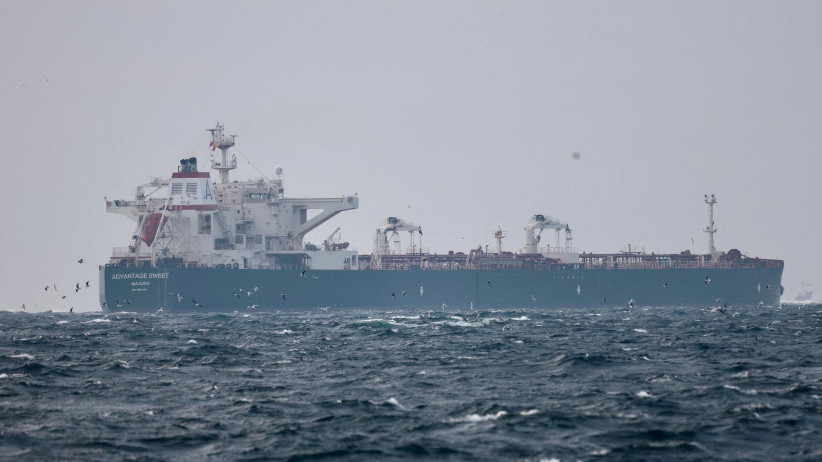
Iranian oil exports have declined sharply amid geopolitical disruptions and a US blockade imposed in April, creating significant challenges for global crude markets and China’s independent refineries. The situation has roots in earlier developments when Syria’s government fell in December 2024, severing a key outlet for Iranian oil and leaving China as Tehran’s primary buyer. Throughout 2025, Chinese imports of Iranian crude averaged 1.4 million barrels per day, a critical source for the country’s independent refiners, particularly those concentrated in Shandong province.
A major turning point came when the US announced a blockade in mid-April that prevented loaded tankers from departing the Gulf while blocking empty vessels from entering. This action caused Iranian loadings at the Kharg Island export terminal to plummet from 1.8 million barrels daily in March to just 260,000 barrels daily in May. A temporary 60-day reprieve announced on June 17 provided brief relief, allowing loadings to recover to 890,000 barrels per day in July, but restrictions resumed in August and have since intensified to virtually zero in recent weeks. Iran had previously maintained a floating stockpile of crude stored on vessels positioned throughout Asian waters, which provided a buffer when fresh exports could not depart. However, this cushion has been depleted significantly from 160 million barrels in mid-April to approximately 86 million barrels currently, with roughly 23 million barrels trapped inside the Gulf.
The squeeze on Iranian supplies has forced Chinese independent refiners to scramble for alternatives from farther afield, including West Africa and South America, at substantially higher costs. Refinery operations at major ports have deteriorated notably, with Qingdao’s crude intake falling to record lows around 150,000 barrels per day in recent months, while Dongying saw imports decline to 220,000 barrels per day in September. These refiners face mounting expenses not only from purchasing distant crude grades like Brazil’s Tupi and Guyana’s Golden Arrow, but also from unprecedented freight rate premiums and a shortage of very large crude carriers.
Competition for available supplies has intensified across the market. Russian crude premiums have surged to all-time highs, with ESPO crude trading at a $28 per barrel premium to ICE Brent, while Chinese state-owned refiners have increased their market share from 45 percent in February to roughly 50 percent currently. In response to the supply crisis, China’s government issued additional import quotas in late September, bringing annual non-state import allocations to a record 257 million tonnes, yet this measure does little to address underlying availability and affordability concerns. The broader implications extend beyond China, as every barrel sourced from alternative suppliers further tightens global crude availability for other buyers while leaving Iran with growing incentives to disrupt regional shipping through the Strait of Hormuz.
Article Attribution | Read More at Article Source
Article summary produced by Claude AI