

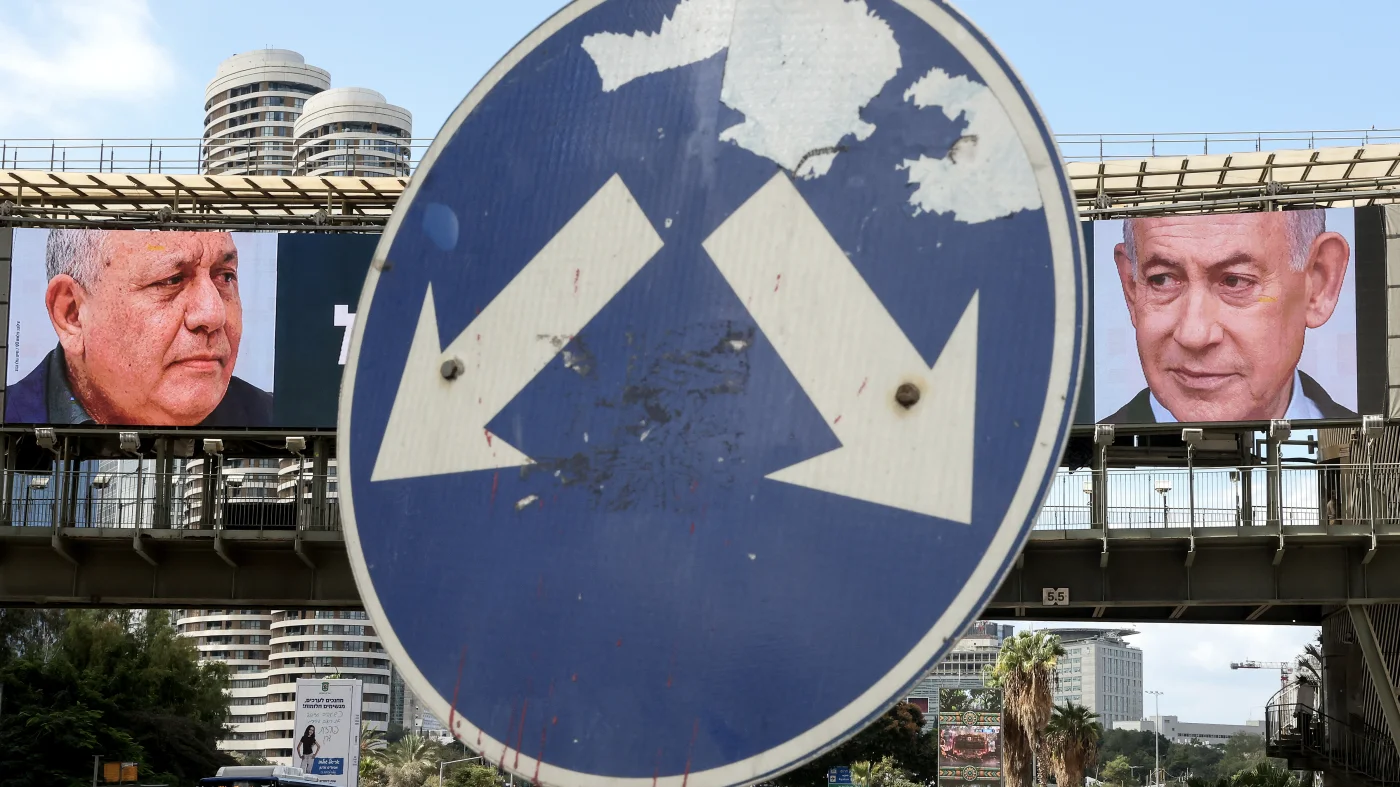
Israel is conducting national elections scheduled for Tuesday, with voters weighing two starkly different visions for their country’s future. Prime Minister Benjamin Netanyahu and his coalition of far-right and ultranationalist parties seek continued support for their military campaigns, while center-right opposition leader Gadi Eisenkot and his allies advocate for increased diplomacy and reduced extremism.
The election comes three years after Hamas attacks on October 7, 2023, which killed nearly 1,200 people and resulted in 251 hostages being taken to Gaza. The subsequent military response has shaped Israeli society, creating what observers describe as a population simultaneously defiant and weary, enraged at both external enemies and domestic leadership. The conflict has generated significant global criticism, fueling Israeli concerns about international isolation even as many citizens remain resistant to Palestinian independence and skeptical of the diplomatic path.
Investigations into the intelligence failures preceding the October 7 attack have become a central electoral issue. Multiple sources, including Palestinian mediators and regional intelligence officials, assert they provided advance warnings to Israel about planned Hamas operations. Netanyahu has denied receiving such warnings and has resisted calls for an independent investigation comparable to the United States’ 9/11 Commission. Defense analysts suggest Netanyahu may have prolonged the subsequent Gaza conflict for political purposes to delay public accountability, though the Prime Minister denies this claim.
The election’s significance has prompted tens of thousands of Israeli expatriates to return home specifically to vote, as the country does not permit absentee balloting. Voters express deeply conflicting priorities: some emphasize security concerns and deterrence, while others prioritize Israel’s international reputation and worry about extremist influence within the government. The election represents a critical juncture for Israeli society as it grapples with fundamental questions about its direction, leadership accountability, and regional strategy.
Article Attribution | Read More at Article Source
Article summary produced by Claude AI