

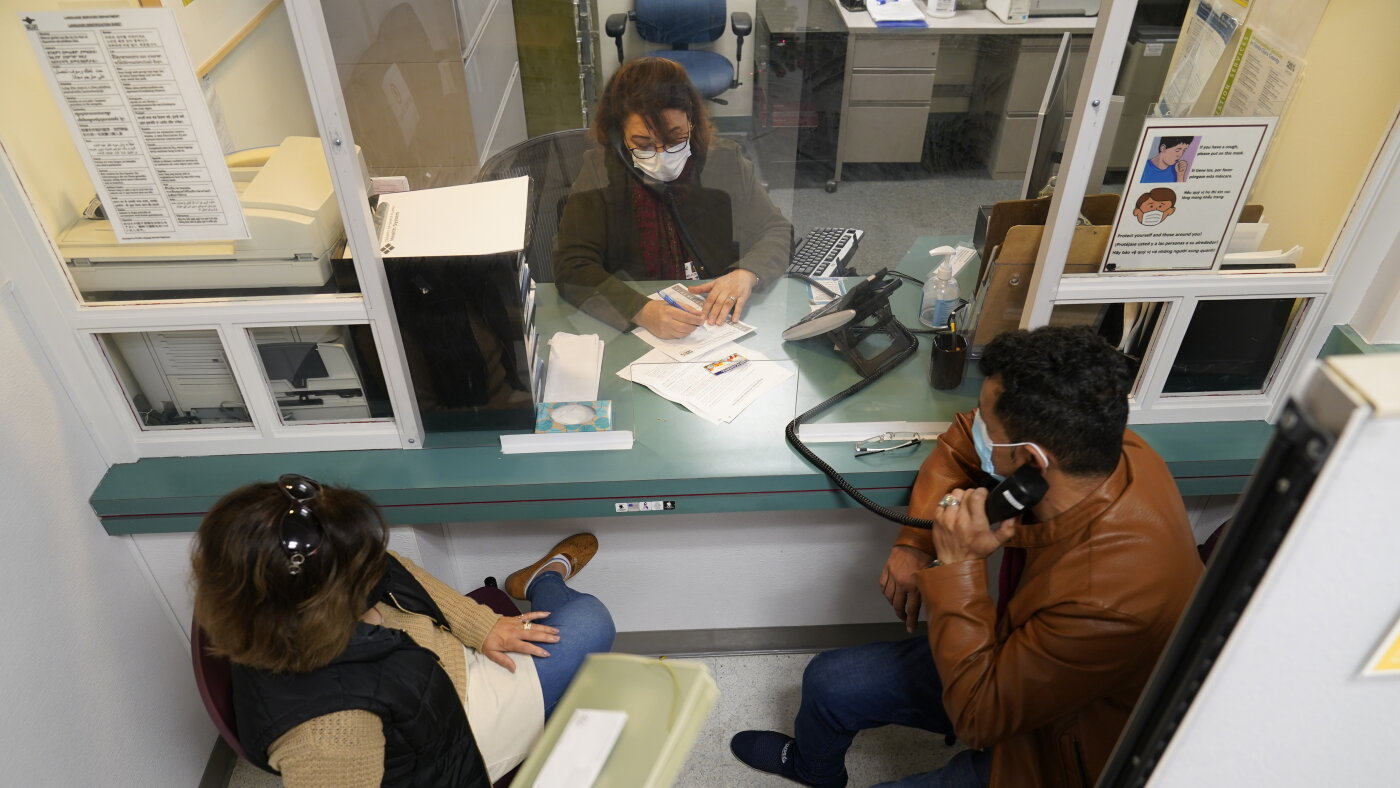
Refugees and other humanitarian immigrants across the United States are losing access to Medicaid coverage, effective October 1, according to changes enacted through H.R. 1, a major budget bill. An estimated 280,000 people will be affected by the policy change, which narrows “Alien Medicaid Eligibility” to exclude immigrants admitted on humanitarian grounds who are awaiting green card approval.
Mustafa Rfat, a professor of social work at the University of Nebraska at Omaha who immigrated to the U.S. as a refugee from Iraq in 2011, has fielded distressed calls from families navigating the loss of health coverage. Rfat himself relied on Medicaid while managing a severe chronic spinal condition and pursuing his education, eventually earning a doctorate and citizenship. He notes that research indicates more than one-third of refugees have at least one type of disability, with conditions often worsened by lack of medical access in refugee camps and during conflict.
Ben D’Avanzo, senior strategist at the National Immigration Law Center, characterized those losing coverage as “among some of the most vulnerable immigrants” who have experienced violence and persecution. Alternatives for affected individuals remain limited: full-price coverage through ACA marketplaces is often unaffordable, and employer-sponsored insurance is typically unavailable in industries where immigrants commonly work, including construction, agriculture, and food service. Some states are developing their own coverage options, though many face budgetary constraints.
The Centers for Medicare and Medicaid Services stated it is implementing the law as passed by Congress in coordination with states. Drishti Pillai, director of immigrant health policy at KFF, warned that affected populations will likely postpone preventative care and defer treatment for chronic conditions due to inability to access affordable comprehensive coverage.
Article Attribution | Read More at Article Source
Article summary produced by Claude AI