

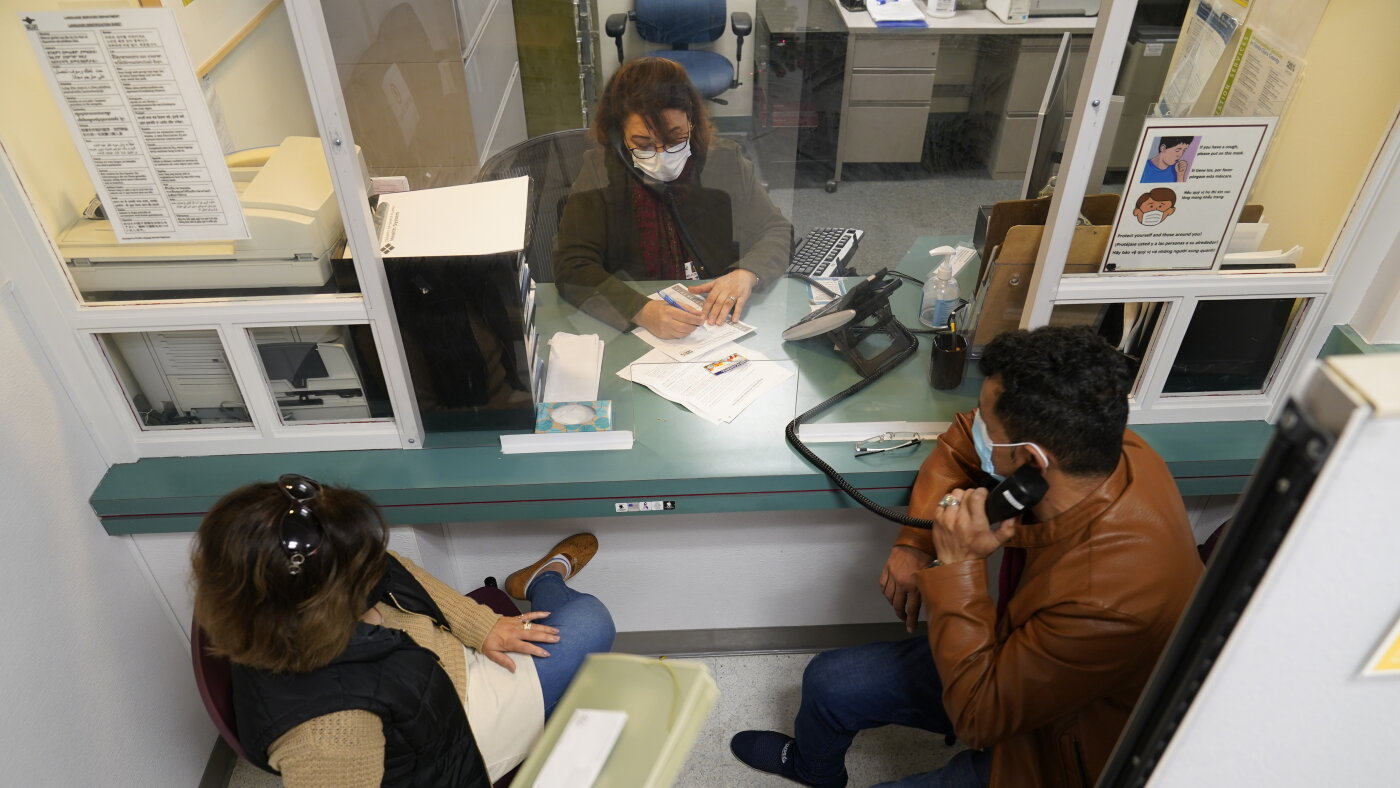
Beginning October 1, refugees and other humanitarian immigrants are losing access to Medicaid coverage across the United States following the passage of H.R. 1, a budget bill enacted by the Republican-controlled Congress. An estimated 280,000 people are affected by the change to “Alien Medicaid Eligibility” provisions, according to analysis by KFF Health News. The policy impacts immigrants admitted on humanitarian grounds who are awaiting green card approval, including refugees and asylum seekers.
Mustafa Rfat, a professor of social work at the University of Nebraska at Omaha and a refugee himself from Iraq, has been receiving distressed calls from families facing the loss of coverage. Rfat arrived in the U.S. in 2011 with a severe chronic spinal condition and credits Medicaid with enabling him to pursue education and build a career while managing his disability. He has since become a U.S. citizen with a doctorate and academic position. Experts note that refugees are statistically more likely than other groups to have serious health conditions, with research showing more than one-third have at least one type of disability.
Ben D’Avanzo, senior strategist at the National Immigration Law Center, characterized those losing coverage as among the most vulnerable immigrant populations, having experienced violence, persecution, and war. Drishti Pillai, director of immigrant health policy at KFF, noted that affected individuals face limited alternatives, including unaffordable marketplace coverage through the Affordable Care Act or employer-sponsored plans that are often unavailable in sectors where immigrants typically work, such as agriculture, construction, and food service.
Some states are developing alternative coverage programs, though budget constraints limit their capacity. The Centers for Medicare and Medicaid Services stated it is implementing the congressionally passed law in coordination with states but did not address specific impacts on refugees with disabilities. Experts caution that individuals will likely defer preventative care and treatment of chronic conditions during the coverage gap, even though many will eventually become eligible for Medicaid as green card holders.
Article Attribution | Read More at Article Source
Article summary produced by Claude AI