

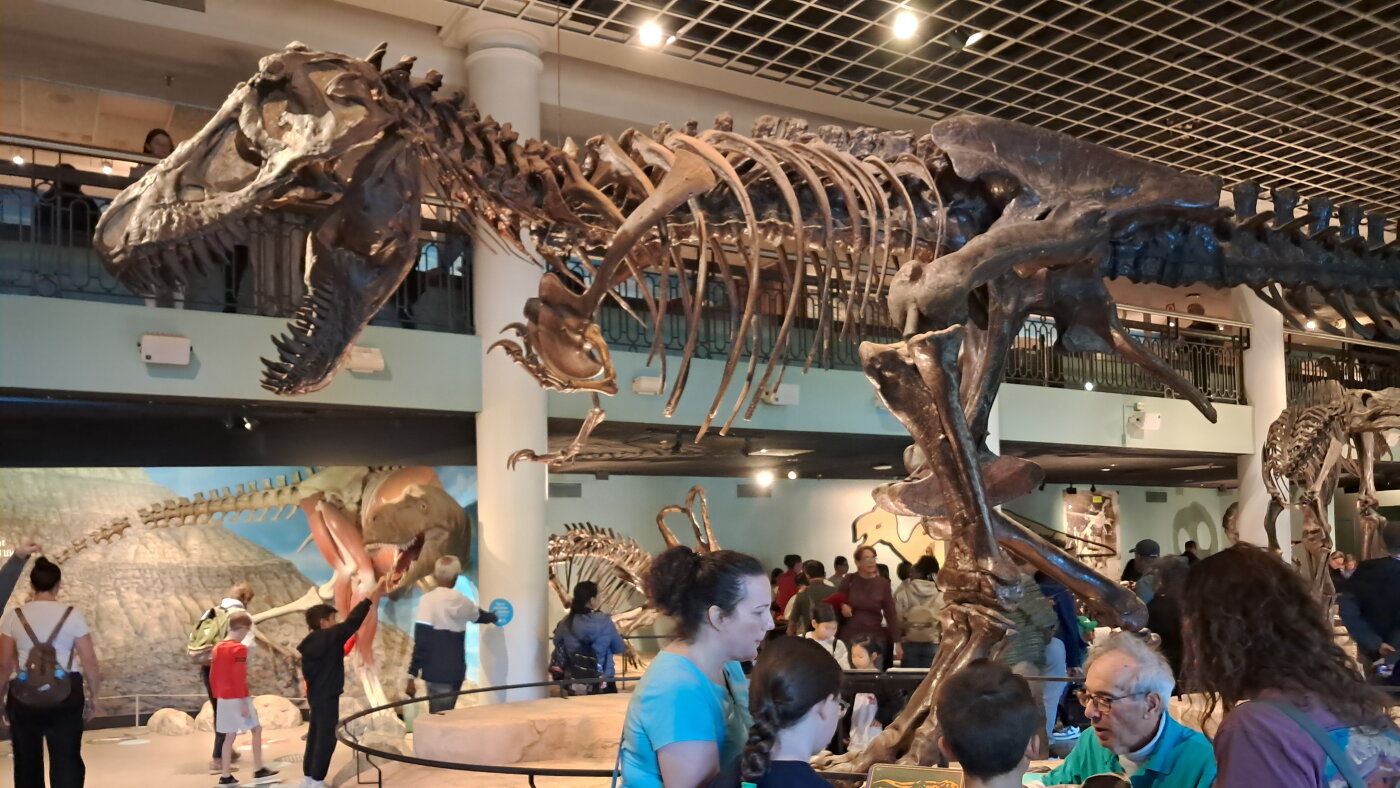
The Academy of Natural Sciences Museum in Philadelphia ceased operations following a closure announcement made on September 1st, marking the end of an institution that had operated for nearly two centuries since its founding in 1812 and public opening in 1828. The museum is recognized as the oldest natural history museum in the Americas and achieved historic significance as the first institution worldwide to display a dinosaur skeleton, an exhibit that debuted in 1868. Its collections include over 19 million specimens, among them Thomas Jefferson’s fossil collection and samples gathered during the Lewis and Clark expedition, along with 73,000 holotype specimens used by scientists as reference standards for species identification.
Drexel University, which assumed financial stewardship of the Academy in 2011 through an affiliation agreement, cited rising operational costs and declining attendance in the post-pandemic period as factors behind the decision. However, the final weeks of operation witnessed a dramatic surge in public interest, with attendance and revenue reaching levels substantially higher than the previous year. Critics questioned whether advance notice and sustained promotional efforts might have sustained visitor engagement at elevated levels. The William Penn Foundation offered bridge funding for one year in the days before the September 30th closing date, prompting Drexel to indicate it would explore long-term sustainability options, though the institution stated it would require a viable permanent plan before reconsidering reopening.
The closure reflects broader financial pressures affecting cultural and scientific institutions nationally. An industry survey from 2025 found that one-third of museums lost government grants and contracts, with two-thirds experiencing impacts from executive orders. Beyond federal funding challenges, institutions face headwinds in philanthropic support, corporate donations, and individual giving. Drexel University itself has confronted financial difficulties linked to declining enrollment, including a reported budget shortfall announced in 2024. Prior to the closure announcement, the Academy had already reduced operating hours, eliminated staff positions, and cancelled its 2026 summer camp program.
The Academy’s financial trajectory became intertwined with Drexel’s when the two entities formalized their affiliation, with the museum becoming a subsidiary while maintaining independent board governance and nonprofit status. Earlier reporting indicated the university sought a full merger that would transfer control of the building, endowment, and collections to Drexel, amid speculation about potential asset sales. In response, Philadelphia’s city council pursued zoning modifications intended to restrict conversion or sale of the 150-year-old structure. Drexel stated it would preserve researcher and student access to the specimen collection, though the implications for public access remain undefined.
Article Attribution | Read More at Article Source
Article summary produced by Claude AI