

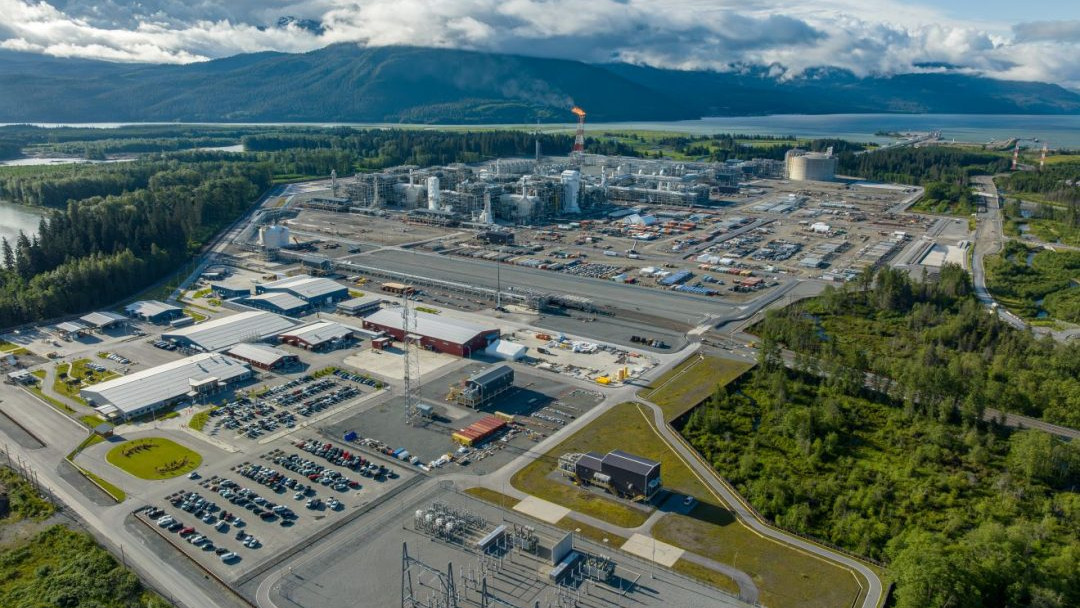
Shell, PETRONAS, PetroChina, Mitsubishi Corporation and KOGAS have greenlit the Final Investment Decision for LNG Canada Phase 2, which will expand the facility’s production capacity to 28 million tons per annum. Combined with Cedar LNG and Woodfibre projects currently under construction, Canada is projected to reach total LNG export capacity of 33 mtpa by the end of the current decade.
Analysts at Wood Mackenzie identify several competitive advantages for Canadian LNG in capturing growing Asian demand. The country’s geographic position on the Pacific coast provides shorter shipping times to major markets compared to U.S. Gulf Coast facilities, with shipments reaching Tokyo in approximately 8 to 9 days rather than 16 to 18 days. Additionally, Canadian LNG can bypass traditional shipping chokepoints in the Middle East. The Coastal GasLink pipeline delivers discounted natural gas directly to the Kitimat export terminal, providing structural cost advantages over Gulf Coast infrastructure indexed to Henry Hub prices.
Environmental considerations also favor Canadian projects. Cedar LNG operates entirely on renewable hydroelectricity from BC Hydro, significantly reducing greenhouse gas emissions. LNG Canada draws approximately one-fifth of its energy from the same renewable source, supporting alignment with net-zero commitments of major Asian buyers in Japan and South Korea.
However, industry observers caution that Canada faces mounting competitive pressures. Wood Mackenzie projects Asian LNG demand will reach approximately 500 mtpa by 2060, but notes that even with planned expansions including the 12 mtpa Ksi Lisims project, Canada will fall significantly short of domestic targets for 100 mtpa of export capacity. U.S. competitors achieved multiple final investment decisions this year for projects including CP2 LNG, Commonwealth LNG and Delfin FLNG 1. Simultaneously, emerging LNG suppliers across Africa, Latin America and Mexico are developing infrastructure rapidly, offering price-sensitive Asian buyers increasingly diverse sourcing options.
Article Attribution | Read More at Article Source
Article summary produced by Claude AI