

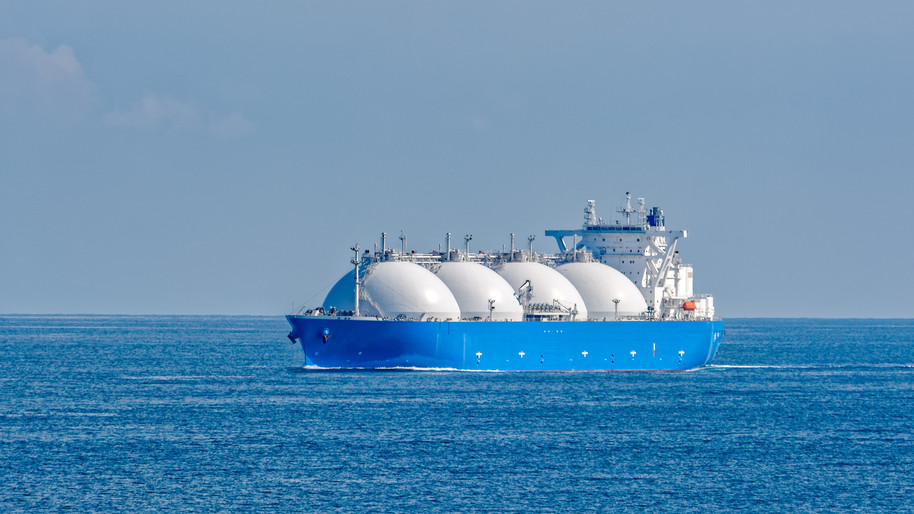
Approximately 21 liquefied natural gas cargoes transited the Strait of Hormuz in September, marking the strongest monthly performance since hostilities commenced, according to shipping analytics compiled by Reuters. Kpler’s analysis indicates this represents a substantial increase from recent months, though the volume remains considerably depressed compared to historical norms. Before the conflict, the strategic chokepoint typically saw three LNG cargoes departing daily, underscoring the severity of current disruptions to global supply chains.
Three Qatari LNG shipments from Ras Laffan have recently reappeared in waters beyond the strait, based on vessel-tracking data. However, Qatari and UAE cargoes managing to transit the passage represent only modest contributions to global LNG balances. The constraint stems partly from operational challenges: liquefied gas proves more difficult to transfer between vessels than crude oil, complicating workaround logistics.
The interruption has driven September gas prices in Asian and European markets to their highest levels since the 2022-2023 energy crisis as purchasers compete for supplies avoiding transit through the Hormuz chokepoint. Many LNG carriers are operating in dark mode, disabling automatic identification systems and making precise flow estimates increasingly difficult. Qatar has extended force majeure declarations on LNG deliveries to Asian and European buyers through the end of November, citing continued blockages amid the prolonged U.S.-Iran standoff.
Industry participants expressed concern that the sustained reduction in Middle Eastern LNG flows could strain winter gas supplies across Europe and Asia, particularly if seasonal conditions prove colder than historical averages. Crude oil cargoes continue moving through the strait at volumes reaching millions of barrels daily, yet LNG traffic remains largely suppressed due to technical and geopolitical constraints surrounding the waterway.
Article Attribution | Read More at Article Source
Article summary produced by Claude AI