

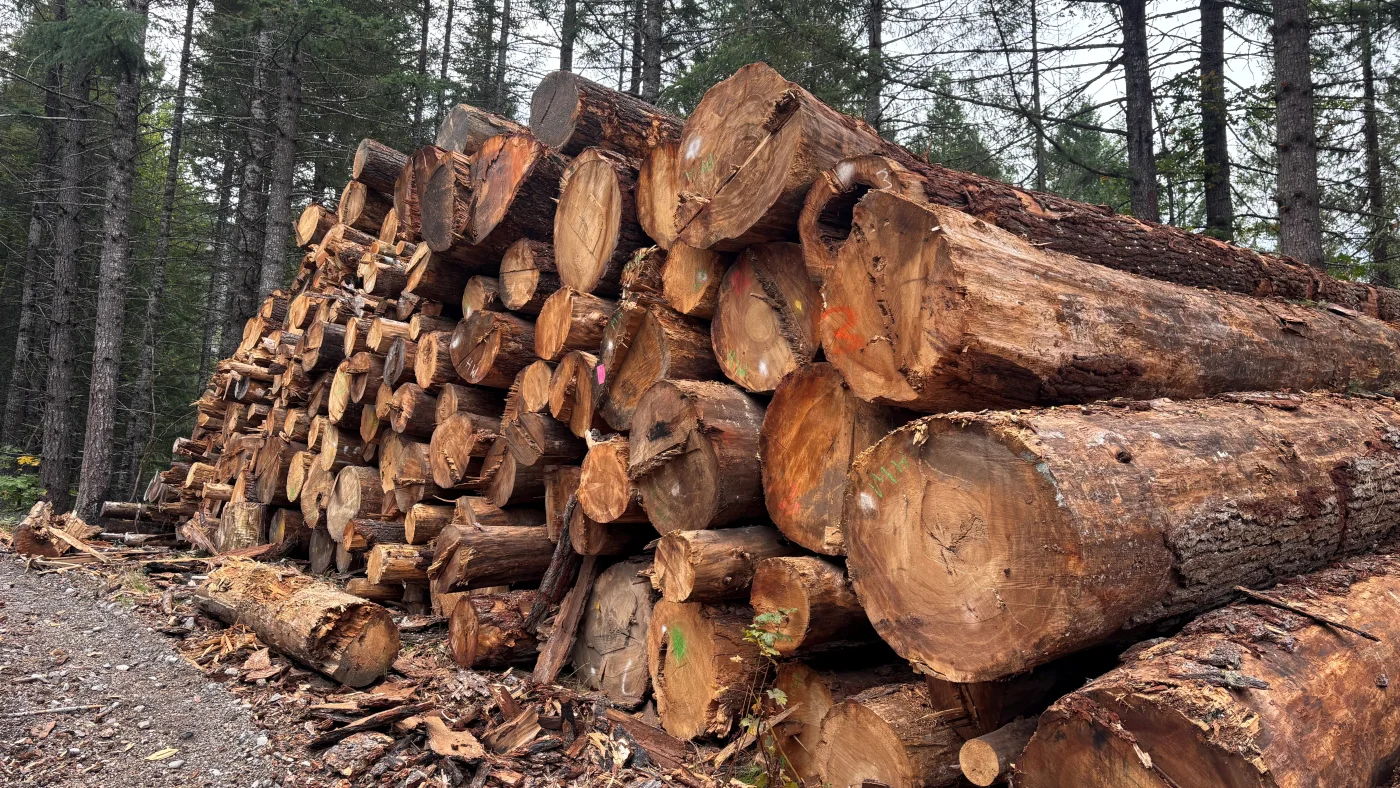
The Trump administration is moving forward with plans to formally repeal the Roadless Rule, a 25-year-old regulation that has restricted logging on approximately 44 million acres of undeveloped national forestlands since 2001. The administration contends that removing this restriction will provide the Forest Service greater flexibility to conduct wildfire prevention activities, including tree thinning, and could help revitalize timber operations in struggling rural communities.
Despite the anticipated policy change, representatives from the logging industry express that the repeal addresses only a portion of their operational difficulties. Sean Smith, CEO of Starfire Lumber in Oregon, acknowledges the executive orders signal supportive intentions but emphasizes that more immediate economic pressures dominate industry concerns. Rising diesel fuel costs, attributed by economists largely to geopolitical tensions, combined with widespread inflation affecting materials and equipment expenses, present greater obstacles to profitability than access to additional timber resources. Jeff Brink, a second-generation logger, notes that labor shortages and thin profit margins create substantial challenges, with workers increasingly choosing alternative employment over logging truck operations.
The timber sector has experienced significant contraction over recent decades. Federal timber sales have declined by approximately 90 percent since the 1990s due to tightening environmental regulations, market competition from Canadian lumber imports, and other factors. The broader region has witnessed the closure of approximately 400 mills since the 1990s, resulting in the loss of roughly 35,000 jobs. Industry analysts project that repealing the Roadless Rule could increase federal timber sales by only 5 to 10 percent, a modest increase unlikely to generate substantial economic recovery or employment gains.
Environmental organizations have announced plans to pursue legal challenges once the formal repeal occurs, potentially echoing the contentious disputes that characterized timber policy debates in previous decades. Some observers question whether the anticipated expansion of logging and road building in currently roadless areas will achieve the stated wildfire prevention objectives or primarily benefit commercial logging operations.
Article Attribution | Read More at Article Source
Article summary produced by Claude AI