

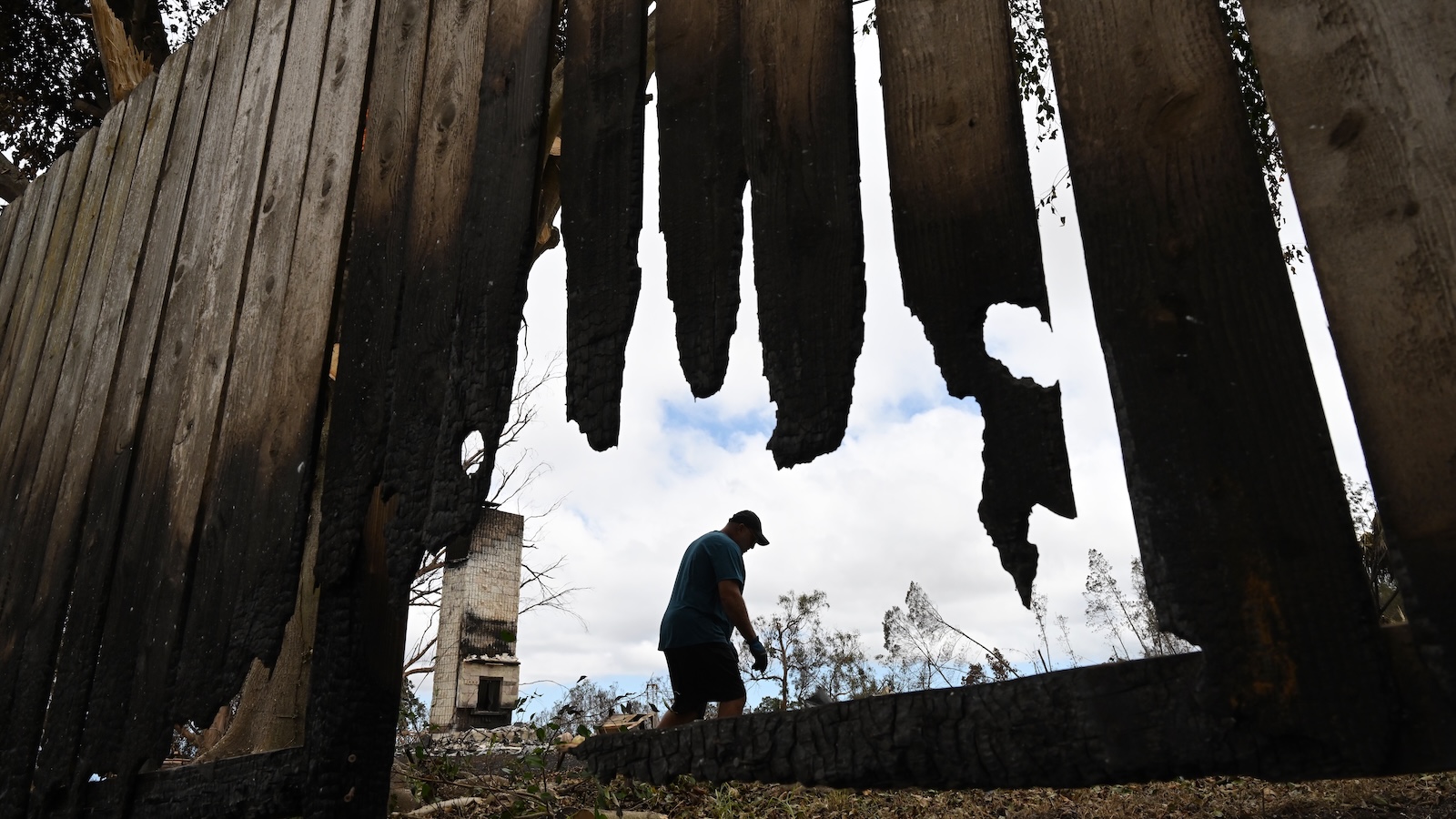
A study examining health impacts from devastating wildfires that struck Maui in August of 2023 has found that residents continue to carry elevated levels of toxic metals in their bodies months after the disaster. Researchers with the University of Hawaiʻi at Mānoa’s Maui Wildfire Exposure Study measured 24 different metals in urine samples collected from approximately 1,400 adults across the island between six and 18 months following the fires. The analysis revealed significantly higher concentrations of multiple metals compared to results from a nationwide health survey conducted before the fires, including 2.2 times more arsenic, 2.3 times more barium, and 3.8 times more manganese. Antimony, a chemical used in flame retardant materials, was detected at nearly 40 times the baseline level.
The research contributes to mounting evidence that the health consequences of catastrophic wildfires extend well beyond the initial destruction and loss of life. Earlier findings from the same project documented reduced lung function in more than one in five residents. While the new research demonstrates associations between elevated metal exposure and impaired lung function, scientists have not yet determined what portion of the contamination originated from the fires themselves versus what was already present in the environment from other sources. Researchers indicated that distinguishing between these factors represents a crucial next step, particularly as wildfires increasingly affect populated areas where burning homes, vehicles, and infrastructure release additional contaminants into the environment.
The research team emphasized that understanding wildfire exposure requires looking beyond smoke inhalation to examine the complete environmental picture following community-scale disasters. Historical factors including decades of plantation agriculture, water diversion systems, and industrial activity have shaped the islands’ baseline environmental conditions. Community leaders noted that true recovery must address longstanding disparities affecting Native Hawaiian populations while accounting for how climate change may compound existing vulnerabilities. The project, funded by a $3.6 million grant from the National Institute of Environmental Health Sciences, will continue investigating contamination sources and providing study participants with results and health guidance.
Article Attribution | Read More at Article Source
Article summary produced by Claude AI