

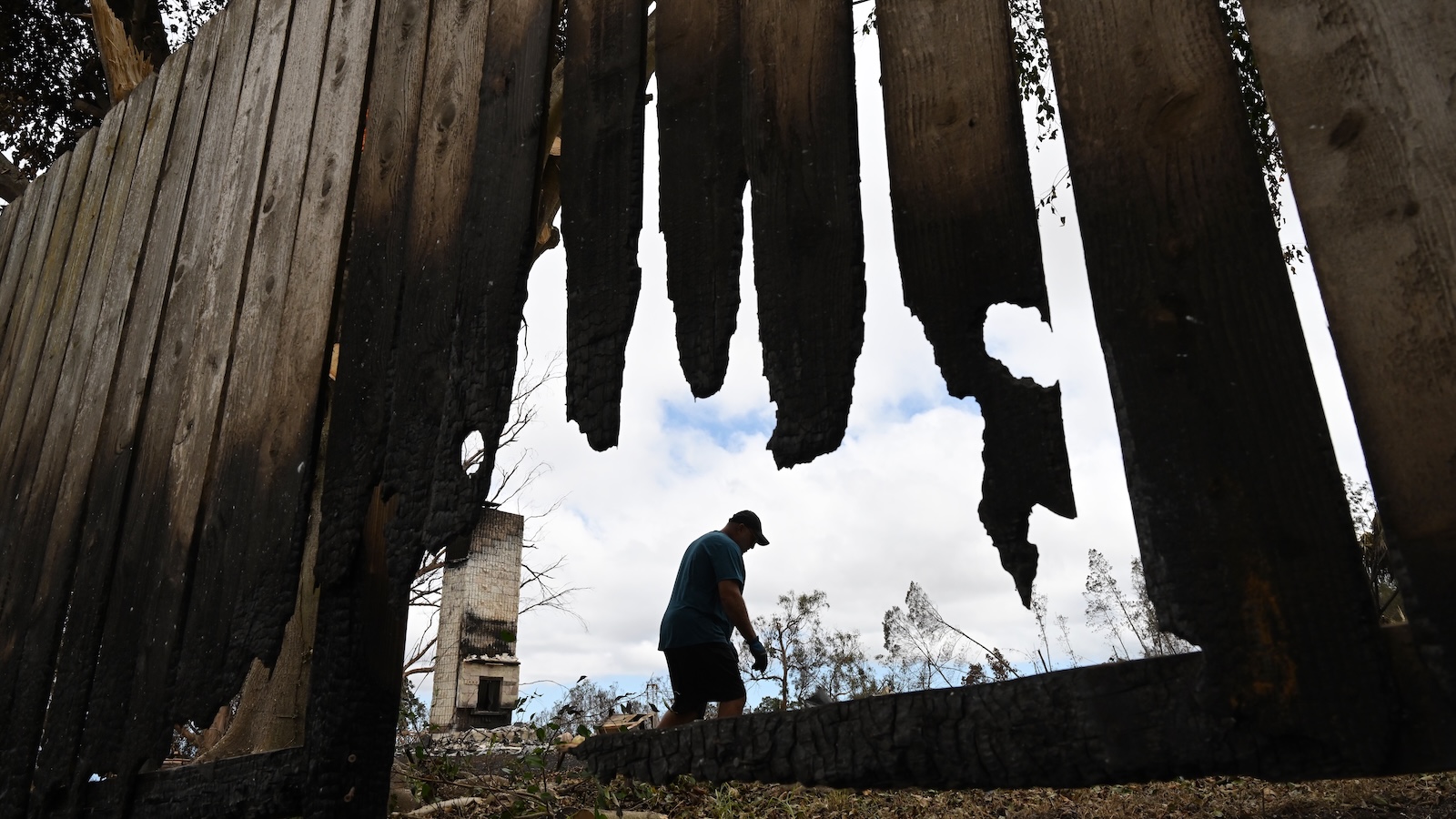
More than three years after devastating wildfires swept through Maui in August of 2023, residents continue to face significant health challenges beyond immediate fire-related injuries and deaths. The fires killed more than 100 people, destroyed thousands of homes, and caused billions in damage, with ongoing housing and health crises straining community resources.
Recent research from the University of Hawaiʻi at Mānoa’s Maui Wildfire Exposure Study examined toxic metal contamination in island residents. A study of 1,400 adults conducted six to 18 months after the fires measured 24 metals in urine samples. Results showed residents had substantially higher concentrations of several metals compared to a nationwide pre-fire health survey, including 2.2 times more arsenic, 2.3 times more barium, and 3.8 times more manganese. Most notably, antimony levels were found at nearly 40 times higher concentrations. Antimony, used in flame retardant materials, has been previously associated with lung irritation and stomach pain. These elevated metal levels were correlated with reduced lung function in residents.
Researchers acknowledge significant gaps in their understanding of contamination sources. Because comparable baseline data from before the fires does not exist, scientists cannot yet determine what proportion of metal exposure resulted directly from the disaster versus pre-existing environmental conditions. The study team, which received a $3.6 million grant from the National Institute of Environmental Health Sciences, plans to investigate the degree to which historical agricultural and industrial activity contributed to current contamination levels.
Experts emphasize that understanding the fires’ health impacts requires examining broader historical contexts. Decades of plantation agriculture altered water systems, introduced herbicides, and displaced native plants, creating lasting environmental legacies. As climate change accelerates wildfire frequency, researchers worry such disasters will increasingly widen existing health disparities affecting Native Hawaiian populations already facing challenges including limited housing, tourism impacts, and plantation-era consequences. Moving forward, the research project aims not only to identify health risks but also to provide study participants with results and professional health guidance to address potential hazards.
Article Attribution | Read More at Article Source
Article summary produced by Claude AI