

Cold and flu season in the United States spans from October through May, according to the Centers for Disease Control and Prevention. Lower temperatures and drier climates during fall and winter months increase susceptibility to common respiratory viruses including the common cold, influenza, RSV and COVID-19, with some individuals experiencing back-to-back illnesses.
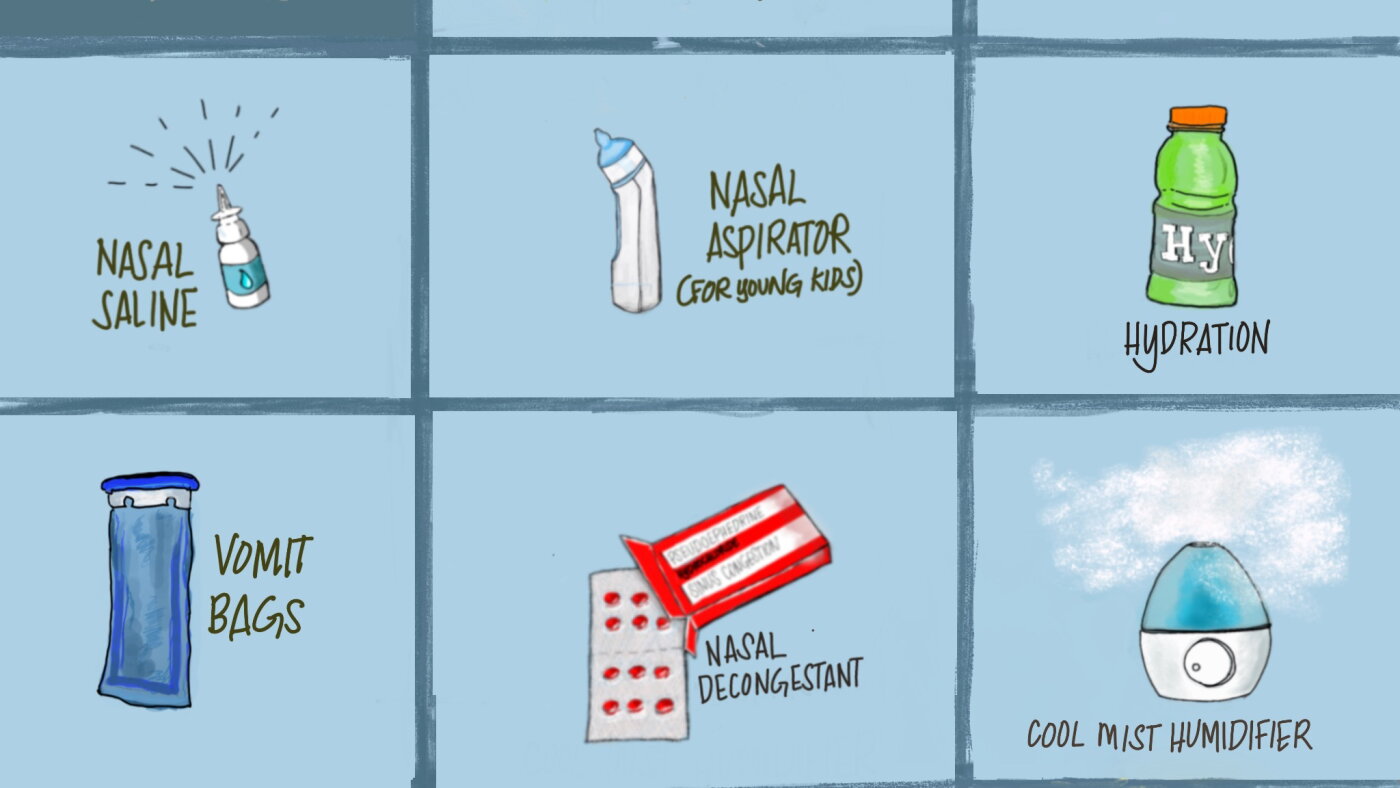
Experts recommend preparing a designated sick day kit before illness occurs to avoid the need for emergency store runs or dependence on others when unwell. The kit should be stored in a single accessible location such as a medicine cabinet shelf or dedicated box. Pharmacists and pediatricians suggest including over-the-counter pain relievers like ibuprofen or naproxen for body aches and sore throats, as well as fever-reducing medications such as acetaminophen. Additional items include decongestants for nasal congestion, cough expectorants, thermometers for temperature monitoring, and saline nasal treatments. Honey is recommended as a remedy for all ages, particularly for young children not yet eligible for cough medications, though it should not be given to infants under 12 months due to botulism risk.
Experts caution against multi-symptom medications that combine unnecessary ingredients, as these increase the risk of accidental overmedication. Instead, selecting medications targeting individual symptoms is advisable. Labels should be read carefully to verify expiration dates and appropriate usage, with recommended dosages strictly followed. While various prevention strategies exist—including surface disinfection, vaccination, mask wearing and hand hygiene—no prevention method is entirely foolproof.
Many common viral infections, including colds and flu, can be managed at home and do not respond to prescription antibiotics. Those without flexible spending accounts may prioritize purchasing essential items first, then gradually expanding their sick day kits as finances allow. Vapor rubs and other comfort items may also be included, though some remedies lack extensive research supporting their effectiveness.
Article Attribution | Read More at Article Source
Article summary produced by Claude AI