

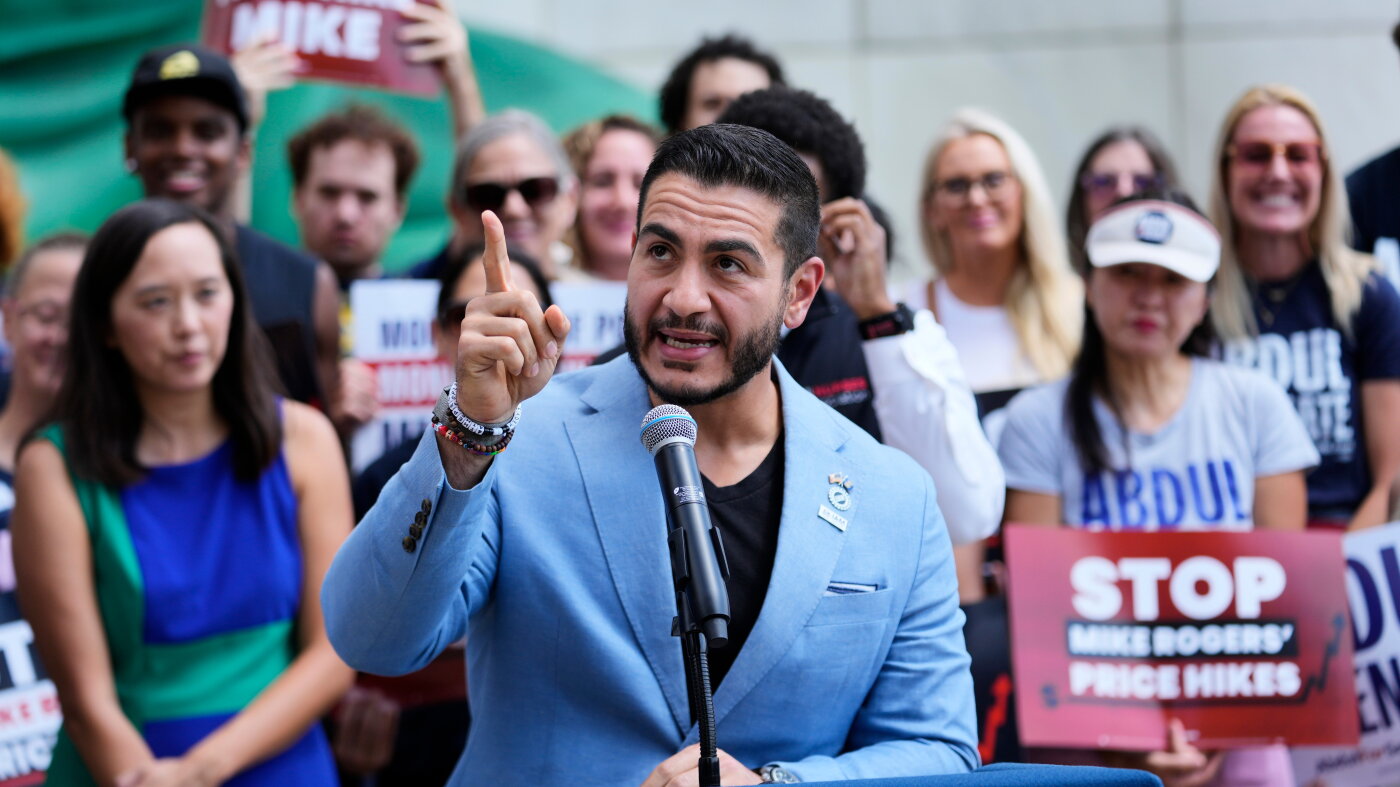
Healthcare affordability has emerged as a defining issue in the current midterm election cycle, with Democratic candidates across multiple states championing the concept of “Medicare for All” as a solution to rising medical costs. The rallying cry has gained particular prominence in Michigan, where Senate candidate Abdul El-Sayed has made the proposal central to his campaign platform. Voters attending his rallies express frustration with current expenses, ranging from dental bills to insurance deductibles, and view the proposal as a symbol of systemic change to address widespread healthcare access problems.
Polling data indicates strong public support for the concept, with approximately two-thirds of Americans now favoring an expansion of Medicare coverage according to recent surveys. This represents support at its highest level in at least a decade. However, many voters lack clear understanding of how such a system would actually function. The traditional definition involves establishing a single, federally-run health insurance program designed to guarantee coverage while minimizing or eliminating private insurance options. Experts note that public opinion regarding the proposal can shift based on how the details are presented and explained to voters.
The timing of this issue’s prominence reflects genuine economic pressures facing Americans. Healthcare professionals and voters describe difficult choices between purchasing medications or food, and widespread financial strain from medical crises. Current data shows fewer than half of Americans report being able to afford their healthcare needs. Healthcare policy analysts attribute the resurgence of Medicare for All as a campaign priority to voter dissatisfaction with the status quo and desire for comprehensive reform.
Michigan represents a particularly significant battleground for this issue, with recent policy changes having direct impact on residents. Insurance marketplace premiums increased by an average of 20% following the expiration of enhanced federal tax subsidies. The state witnessed steep declines in Affordable Care Act plan enrollment, with analysts attributing the downturn to reduced financial assistance for premium payments.
Article Attribution | Read More at Article Source
Article summary produced by Claude AI