

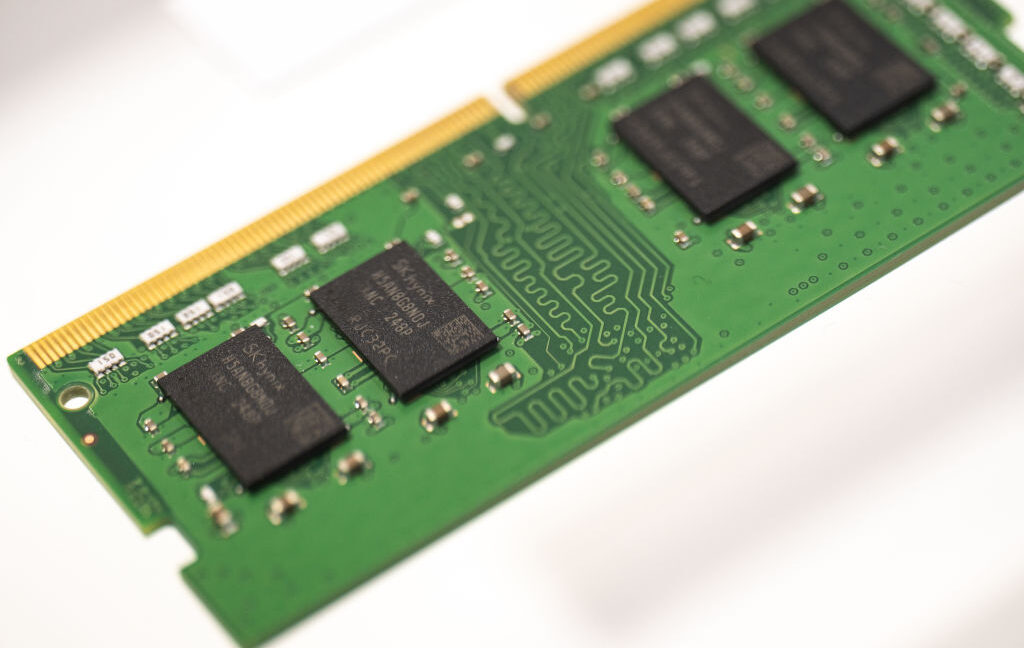
Executives from major memory chip manufacturers indicated this week that supply constraints in the semiconductor sector will extend at least through 2028, driven by intense demand from artificial intelligence and data center applications.
Micron CEO Sanjay Mehrotra told investors that demand for the company’s high-bandwidth memory and server DRAM will continue to exceed available supply over the coming years. The company plans to open new manufacturing facilities in 2028, but Mehrotra cautioned that production ramps typically occur gradually after equipment begins operation. He noted that technological transitions in memory design yield diminishing productivity gains per manufacturing unit, further limiting supply growth. Approximately 75 percent of Micron’s memory output for 2027 is already committed to customers, with most ongoing sales discussions focused on 2028 allocations. Prices for memory contracted for 2027 are substantially higher than current pricing.
Samsung’s executive vice president Kim Taewoo corroborated these projections, stating that high-bandwidth memory will account for nearly 30 percent of DRAM manufacturers’ wafer capacity in 2027, up from 20 percent currently. This reallocation of production resources away from traditional DRAM for consumer devices is expected to further tighten availability.
The supply constraints have already impacted consumer markets. Micron’s Crucial brand ceased retail RAM sales earlier in 2025, prioritizing supply for enterprise customers. The shortage has driven up costs for prebuilt personal computers, prompted original equipment manufacturers to reduce RAM configurations while raising prices, and increased pricing for smartphones, streaming devices, and gaming consoles. Mehrotra attributed continued supply pressure to accelerating demand from larger AI models, expanded context windows, increased concurrent processing, and enterprise agent deployment.
Article Attribution | Read More at Article Source
Article summary produced by Claude AI