

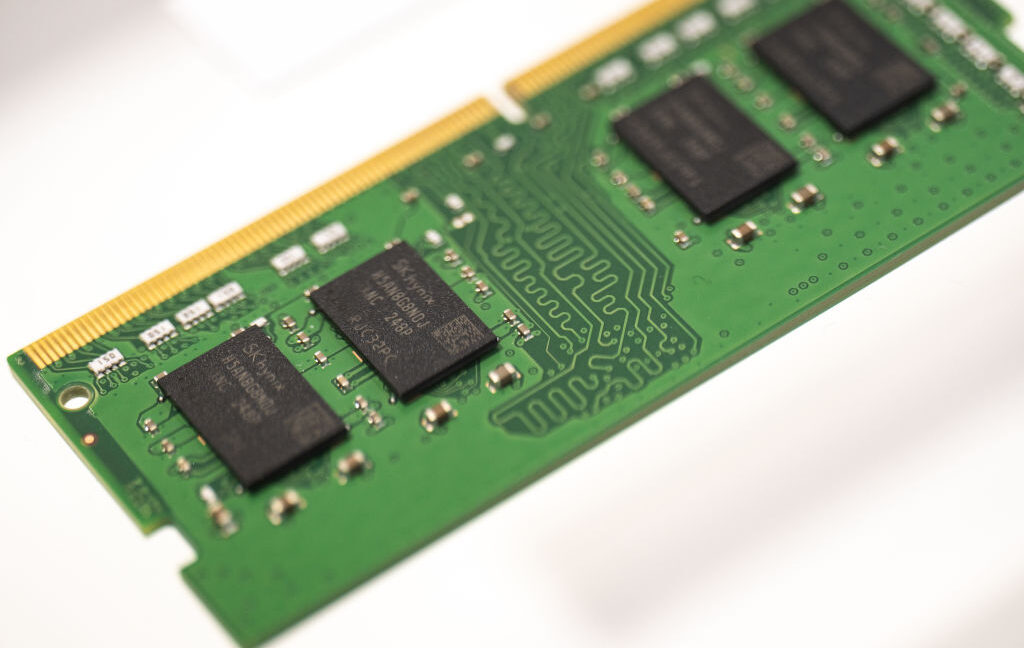
High-bandwidth memory executives at major manufacturers Micron and Samsung indicated this week that supply constraints in the memory sector will extend through 2028, driven by surging demand for artificial intelligence and data center applications.
Micron CEO Sanjay Mehrotra told investors that demand for the company’s memory products will outpace available supply over the coming years. Although Micron no longer sells consumer RAM directly, the executive noted that the shortage has significant implications for consumer devices, as manufacturing capacity is being redirected toward HBM for AI systems and DRAM for servers. Mehrotra stated that the supply-demand environment continues to tighten, with three-quarters of Micron’s memory output for 2027 already allocated to customers. Pricing for 2027 memory deliveries substantially exceeds 2026 levels, according to his remarks.
The company plans to bring new manufacturing clean rooms online in 2028, but Mehrotra cautioned that production ramps would occur gradually following startup. He attributed ongoing supply constraints to multiple factors, including the transition to next-generation HBM technologies and diminishing productivity gains from advanced node transitions. Notably, demand for HBM is now exceeding demand for traditional DRAM, further straining overall supply.
Samsung executive Kim Taewoo provided corroborating evidence, stating that HBM will consume nearly 30 percent of DRAM manufacturers’ wafer capacity in 2027, up from 20 percent currently. This shift further constrains DRAM production for consumer applications. Mehrotra indicated uncertainty about when supply would meet demand levels, citing continued increases in AI model sizes, expanded processing contexts, and growing enterprise adoption.
Consumers have already experienced effects from the shortage. Micron’s Crucial consumer brand ceased RAM sales earlier, citing AI-driven demand for data center memory as a priority. Prebuilt PC prices have risen, and original equipment manufacturers have responded by offering reduced memory configurations at premium prices. Memory cost increases have also extended to smartphones, streaming devices, and gaming consoles.
Article Attribution | Read More at Article Source
Article summary produced by Claude AI