

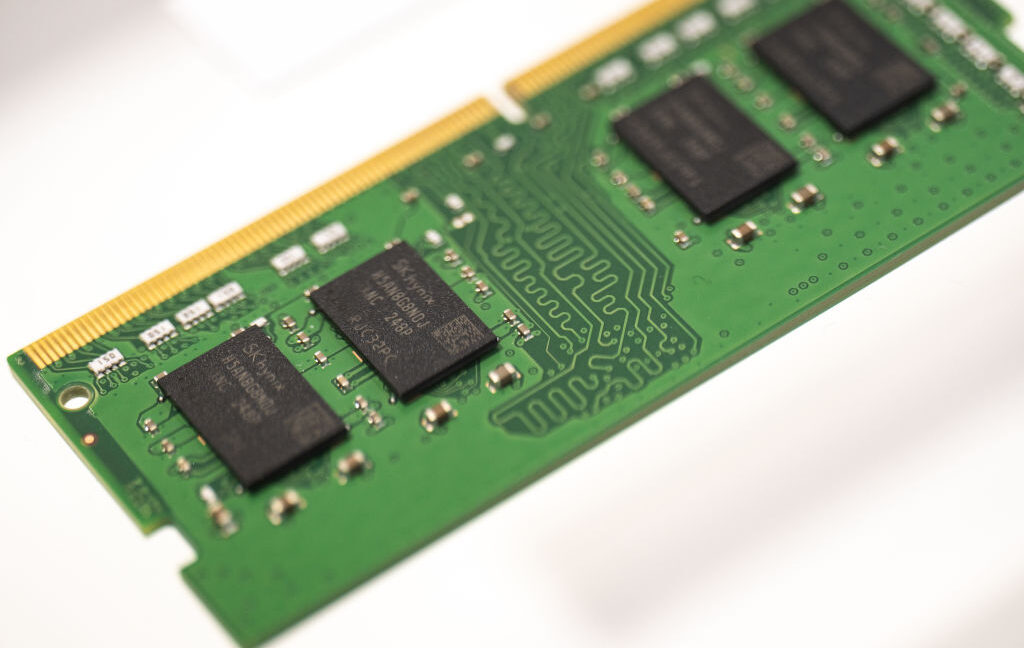
Executives from major memory manufacturers indicated that supply constraints in the semiconductor market will continue for at least the next several years. Micron’s CEO stated during investor communications that demand for the company’s memory products will exceed available supply during this period, citing tight conditions in the overall market.
Micron’s statements focused primarily on its business-to-business operations, specifically high-bandwidth memory for artificial intelligence applications and DRAM for server infrastructure. The company no longer manufactures consumer-facing RAM products. However, these industry dynamics have cascading effects on consumer electronics, as manufacturing facilities are prioritizing memory production for AI and data center customers, thereby constraining supply available for consumer device makers.
The company plans to bring new manufacturing facilities online in 2028, yet executives cautioned that production ramps at new facilities occur gradually. Additional technical factors, including transitions to advanced memory architectures and diminishing productivity gains from node transitions, are expected to further limit supply growth. Micron noted that 75 percent of its memory output for the coming year is already committed to customers, with most current sales discussions focused on the year after.
High-bandwidth memory demand particularly outpaces conventional DRAM demand, with pricing for the coming year substantially elevated compared to current levels. Samsung executives corroborated the supply outlook, noting that high-bandwidth memory will consume nearly 30 percent of major manufacturers’ production capacity in the coming year, up from 20 percent currently. This shift further constrains DRAM available for consumer applications.
Consumers have already experienced effects from the ongoing shortage, which has increased costs for personal computers and prompted original equipment manufacturers to bundle lower memory configurations at premium prices. Other consumer electronics categories, including mobile phones, streaming devices, and gaming systems, have also seen price increases attributed to memory constraints.
Article Attribution | Read More at Article Source
Article summary produced by Claude AI