

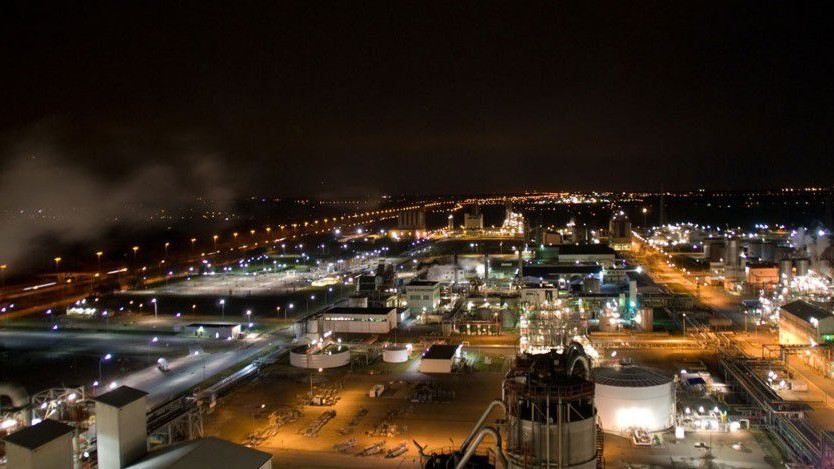
The Middle East’s chemical production sector is expected to preserve its competitive advantages in global markets despite ongoing regional tensions and supply disruptions related to the Iran war and constraints in the Strait of Hormuz. Industry analysts and company executives indicate that low-cost production capabilities and extensive access to naphtha feedstock will continue to attract buyers over the long term, even as near-term market dynamics shift.
Current supply challenges have prompted some customers to diversify their polymer sourcing, with North American producers capturing additional market share during this period. The Middle East exported 18.7 million tons of polyethylene in 2025, representing 43 percent of global exports, while North America accounted for approximately 36 percent with 15.6 million tons. Despite the diversification trend, industry observers note that buyers view such moves as temporary protective measures rather than permanent alternatives to Middle Eastern suppliers, given the significant price advantages offered by Gulf producers.
The impact of regional disruptions has varied across different chemical products. Polypropylene exports from the Middle East declined by 24 percent between April 2025 and April 2026, a relatively modest decrease compared to steeper drops in other commodity exports. Prices for polyethylene and polypropylene have increased more than 50 percent since the conflict began, reflecting supply constraints. U.S. chemicals manufacturers have emerged as near-term beneficiaries, with companies reporting substantial sales growth and pricing improvements due to limited international competition and reduced feedstock availability elsewhere.
Asian petrochemical producers have announced capacity reductions amid elevated naphtha costs and logistics challenges, while European manufacturers continue to face structural pressures from elevated energy costs. Industry representatives, including major chemical producers, have indicated that Middle Eastern supply disruptions are unlikely to fundamentally alter long-term market structures or eliminate the Gulf region’s competitive positioning in global polymer markets.
Article Attribution | Read More at Article Source
Article summary produced by Claude AI