

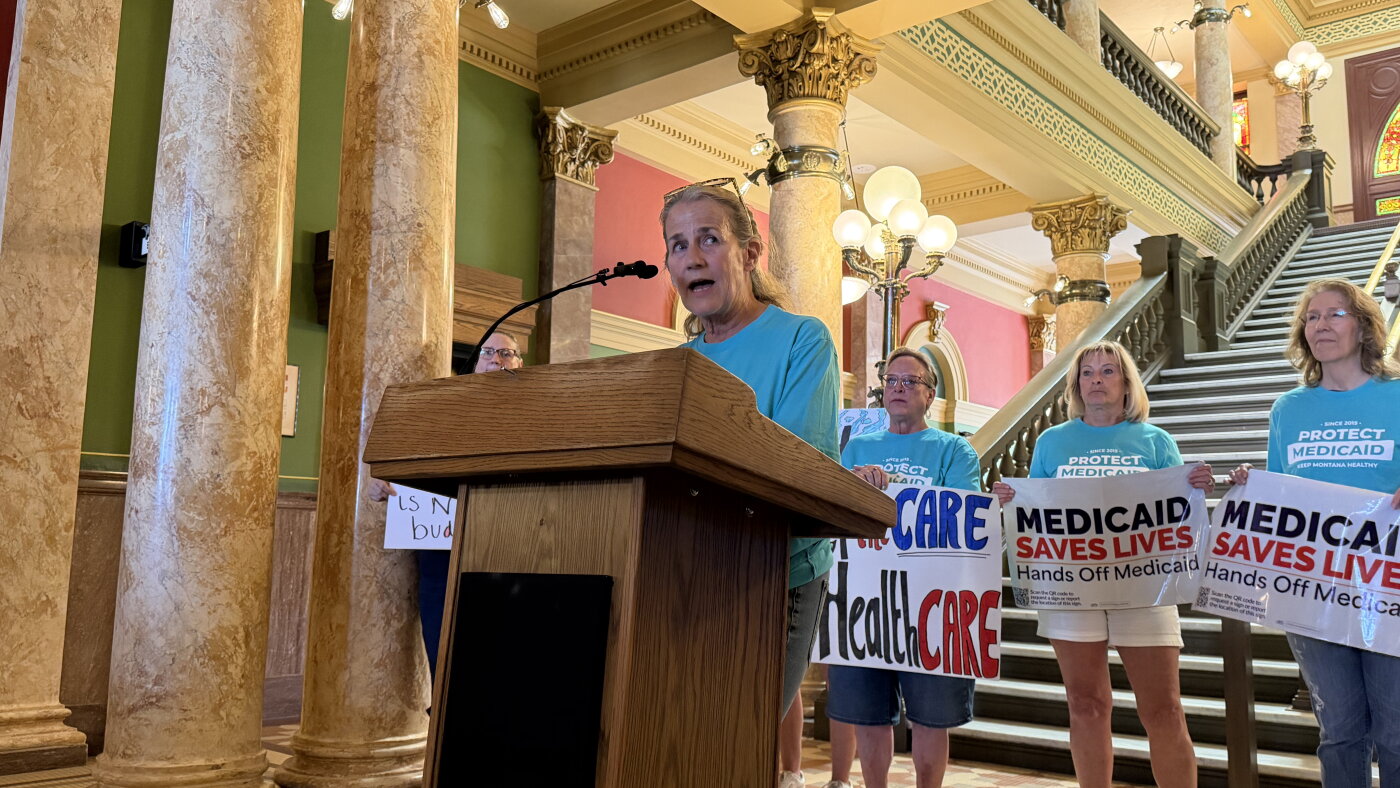
Montana joined Nebraska and Arkansas in implementing Medicaid work requirements ahead of a Jan. 1 federal deadline, beginning enforcement on Oct. 1. The state initiated a soft launch in July, giving enrollees until the beginning of the month to demonstrate compliance with new rules requiring 80 hours per month of work, volunteering, or studying, or qualification for exemptions such as medical frailty or primary caregiving responsibilities.
Approximately 71,000 Montana residents are subject to the new requirements. However, state communications to enrollees have generated significant confusion. One substitute teacher pursuing a teaching degree reported receiving conflicting information in a June letter—one section stating she would need to prove compliance at her next renewal in spring, while another section demanded documentation within 30 days of the letter’s date. State legislators reported fielding numerous calls from constituents struggling to understand the notices and determine their obligations.
State health officials acknowledged the confusion and told lawmakers in early September that updated letters had been drafted to provide clearer guidance. However, implementation challenges persist. Of 59 positions the state said it would need to fill, only approximately 20 were staffed as of the September hearing, with officials attributing shortfalls to turnover after hiring additional workers earlier in the summer. An automated system to verify student enrollment at public universities, which would assist individuals like the substitute teacher, is not expected to be operational until next year.
Support resources for residents navigating the new requirements have contracted significantly. Cover Montana, a nonprofit organization that assists residents with paperwork, lost federal funding and reduced operations from 18 staff members to two part-time phone line workers. The state operates its own helpline, though federal data indicates Montanans experience longer wait times than the national average, with many callers disconnecting before reaching a representative.
Advocates expressed concerns that Montana’s early implementation and staffing constraints could serve as a cautionary example ahead of the nationwide Jan. 1 rollout. Some worry the rushed timeline and confusion will result in coverage losses among eligible individuals unfamiliar with the new compliance procedures.
Article Attribution | Read More at Article Source
Article summary produced by Claude AI