

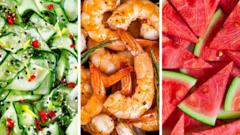
As the UK experiences temperatures above 30C this week, dietary adjustments may help people manage eating and comfort during extreme heat. According to nutrition experts, there is no nutritional requirement to consume additional protein during a heatwave, though many people naturally experience reduced appetite in hot weather.
Cooking methods become a practical consideration when temperatures are high. Air fryers use less than half the energy of conventional ovens and generate minimal kitchen heat, making them more appealing than traditional cooking. Slow cookers, while operating longer, prove even more energy-efficient and release less heat than air fryers. The body produces more heat when digesting protein compared to other food groups due to the energy required for breakdown and absorption. Experts suggest obtaining protein from sources requiring minimal cooking, such as bean salads, eggs, pre-cooked meats, Greek yogurt, and lighter fish like tuna and salmon. Smoothies combining fruit, vegetables, and yogurt with peanut butter offer a convenient, balanced meal option.
Hydration becomes critically important during hot weather, as the body loses water through perspiration. While the NHS normally recommends six to eight glasses of fluid daily, heatwave conditions typically require increased intake, though individual needs vary based on age, body size, activity levels, and health status. Hydration needs extend beyond drinking water alone. Fruits and vegetables contain substantial water content, with cucumber, tomatoes, lettuce, celery, watermelon, and strawberries exceeding 90% water. Apples, carrots, cooked broccoli, pears, oranges, grapes, and pineapple contain 80 to 89% water.
Temperature of beverages has minimal impact on hydration effectiveness. Research indicates warm or room-temperature drinks cool the body as efficiently as cold ones, as the body regulates core temperature around 37 degrees celsius through perspiration regardless of liquid temperature. However, excessive caffeine consumption can increase urine production and promote dehydration. One or two coffees daily presents little concern, while five or six daily may noticeably affect hydration levels. Alcohol consumption similarly contributes to dehydration. Urine color provides a simple hydration indicator—pale yellow suggests adequate hydration, while dark yellow or brown suggests dehydration requiring increased fluid intake.
Article Attribution | Read More at Article Source
Article summary produced by Claude AI