

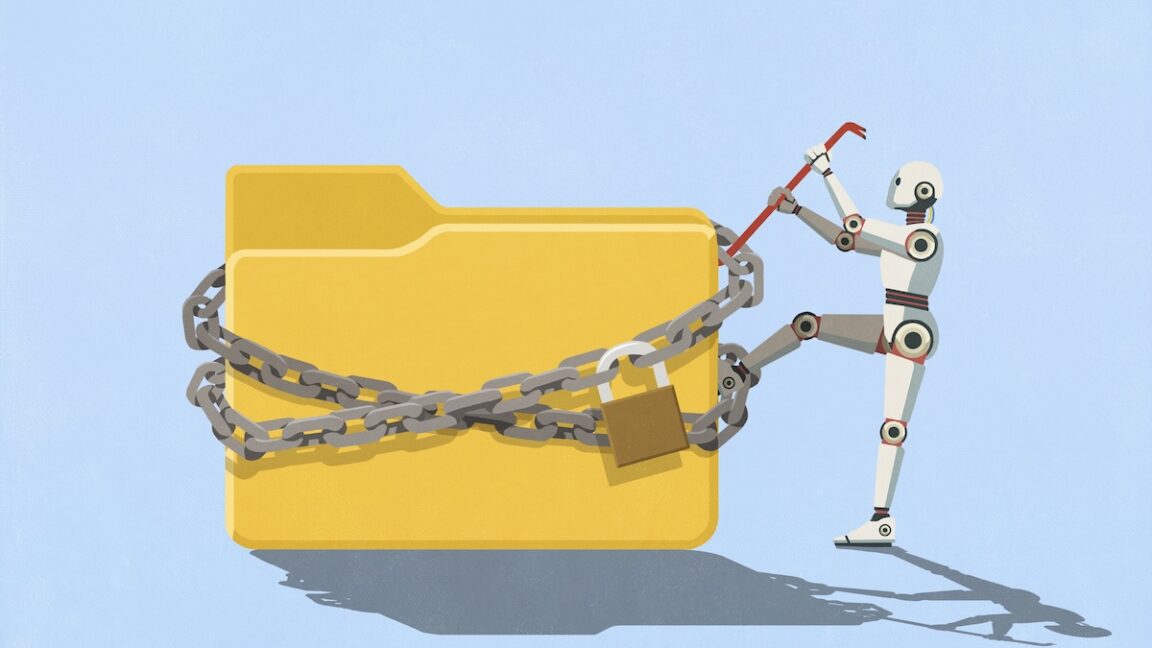
Meta’s newly introduced Muse AI assistant, which handles tasks like booking appointments, filling forms, and managing purchases across multiple services, contains a critical zero-day vulnerability that compromises its security posture. The flaw allows any locally installed application or terminal command to access authentication tokens and modify undocumented settings within the assistant, potentially granting attackers complete control over user accounts and data.
MacOS security researcher Patrick Wardle discovered the vulnerability and demonstrated proof-of-concept attacks capable of executing malicious operations including writing files to disk and capturing photos, often without alerting users. The exploit works by manipulating the transcription endpoint setting, normally pointing to Meta’s servers, to redirect it to an attacker-controlled server. This allows attackers to intercept voice commands, inject malicious prompts, and steal authentication tokens that provide full access to the Muse account and its connected services.
Wardle attributed the vulnerability to several questionable design decisions by Meta developers. The choice to process dictation in the cloud rather than locally on the device, combined with allowing any application to control sensitive settings, created the conditions for exploitation. Wardle criticized Meta’s approach, stating the company appeared not to prioritize security during development despite the extraordinary access Muse requires to user data and device resources.
Meta released a hotfix addressing the zero-day more than 12 hours after disclosure. Meanwhile, Amazon began blocking Muse from its platform on Sunday, characterizing the assistant as an unauthorized agent violating its conditions of use. Amazon stated that third-party applications making purchases on behalf of customers must operate transparently and respect merchant participation decisions, comparing Muse’s obligations to those of food delivery and travel booking services.
The vulnerability emerges amid broader concerns about AI development practices, following recent revelations that security testing of models from Anthropic and Google resulted in unintended breaches of external networks. Zuckerberg had previously emphasized that Muse was designed with privacy and security as foundational principles, claims now undermined by the discovery of the critical flaw.
Article Attribution | Read More at Article Source
Article summary produced by Claude AI