

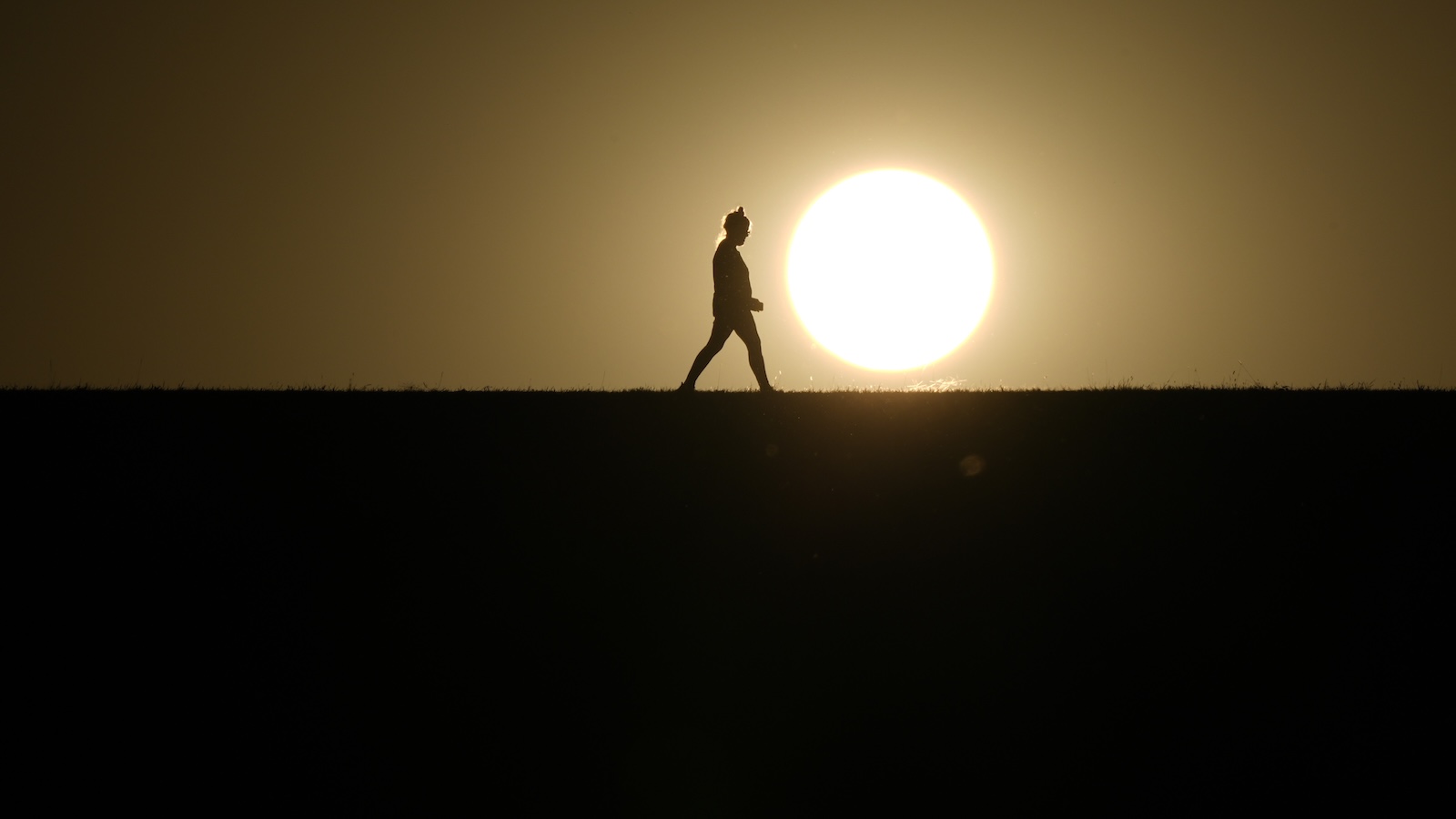
Residents of Omaha and Lincoln, Nebraska experienced elevated nighttime temperatures during an early September heat wave, with lows staying in the 70s and 90s despite the late hour. Community cooling centers operated by organizations including the Salvation Army and Siena Francis House expanded services to help residents manage the heat. Residents described struggling with indoor temperatures even with windows open, as nighttime humidity made it difficult to cool homes naturally.
Health officials are increasingly recognizing nighttime heat as a distinct public health concern. Elevated minimum temperatures pose particular risks to vulnerable populations including the elderly, those with chronic health conditions, people without access to air conditioning, individuals experiencing homelessness, student athletes, and outdoor workers. Heat-related illnesses affect multiple body systems and account for more weather-related deaths in the United States than any other weather event. According to climate data, Omaha and Lincoln residents lost approximately 30 hours of sleep annually between 2020 and 2025 due to heat, with three of those hours attributed to climate change.
The rising nighttime temperatures create cascading effects across multiple sectors. Residents with air conditioning face higher energy bills as cooling units work longer into the night, while low-income households in older, unweatherized buildings experience greater hardship. Utility companies face increased pressure to meet nighttime demand even as they manage competing requests from large energy consumers like data centers.
Agriculture, Nebraska’s largest industry, confronts significant challenges from sustained nighttime heat. Corn and soybeans require cooler nighttime temperatures to store energy and develop properly. Higher nighttime temperatures force crops to expend more energy, reducing seed size and quantity in soybeans and shortening the critical grain-filling period for corn, potentially impacting yields substantially. Extended warm nights combined with humidity also increase fungal and bacterial pressures, driving farmers toward increased pesticide applications. While the soybean industry is developing new crop variants adapted to warmer conditions and the corn industry has pursued adaptation strategies for decades, long-term effectiveness remains uncertain as nighttime temperatures continue rising.
Article Attribution | Read More at Article Source
Article summary produced by Claude AI