

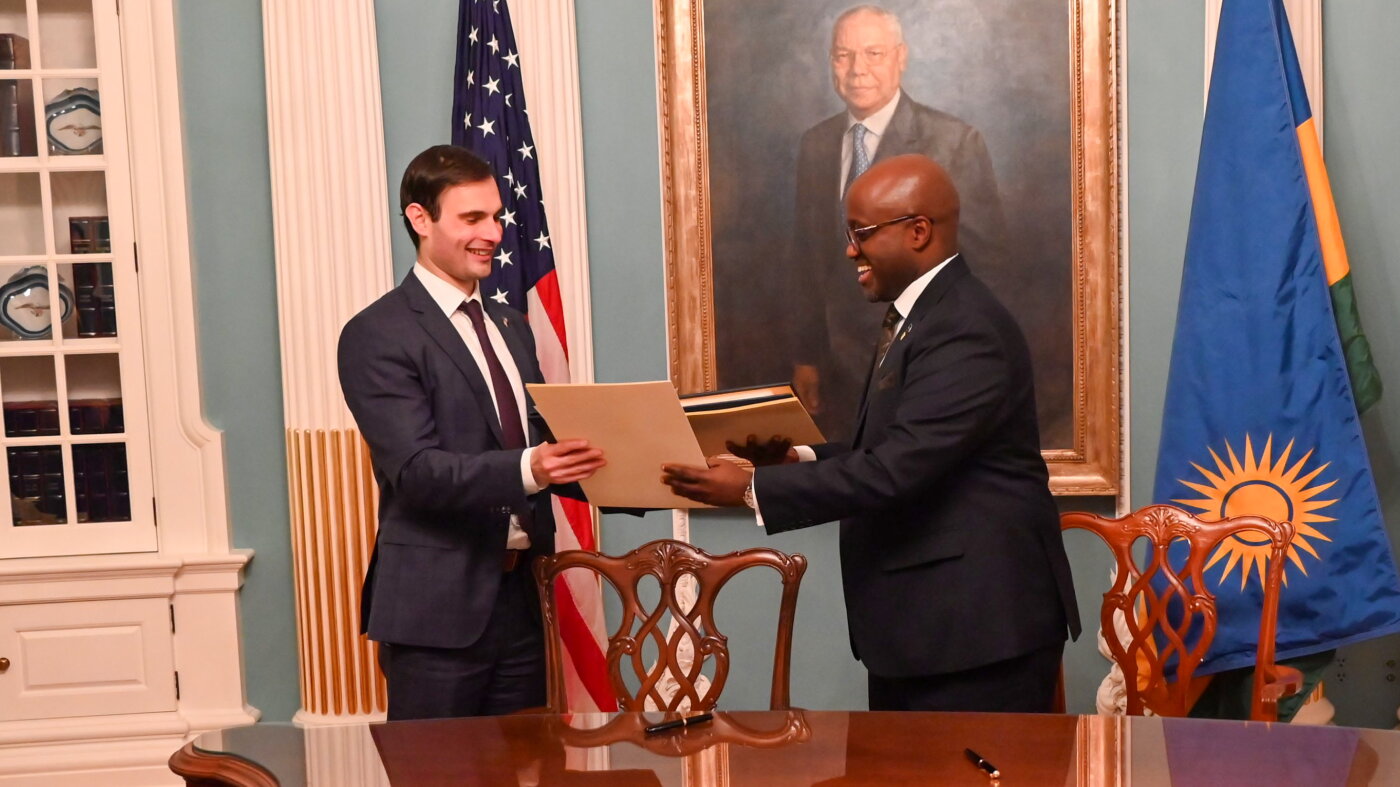
The Trump administration formally initiated a revised approach to global health funding beginning October 1, centered on what officials describe as the “America First Global Health Strategy.” This represents a significant departure from previous frameworks that emphasized universal health benefits and soft power development through aid distribution.
Under the new model, countries seeking U.S. health assistance must sign Memoranda of Understanding that specify both the level of American investment and corresponding financial commitments from the recipient nation. The strategy aims to make countries more financially self-reliant while ensuring the United States receives tangible returns on its investments. These returns may include preferential access to critical minerals or direct access to medical and pathogen data. The administration has secured agreements with 35 nations, pledging approximately 14 billion dollars over five years. Rwanda will receive 157 million dollars while contributing 70 million dollars of its own funds, and will share patient data with the United States and recognize FDA approval of medicines without requiring separate regulatory review.
The approach has encountered resistance from several African nations. Ghana, Namibia, and Zimbabwe have declined to sign agreements, citing sovereignty concerns. Ghana’s president characterized the proposal as humiliating and criticized provisions requiring the surrender of patient medical records and pathogen data. Zimbabwe faced a complete halt to U.S. global health funding following its refusal. Negotiations with Zambia stalled over provisions regarding American access to critical minerals.
Policy analysts acknowledge both merits and risks in the strategy. Experts note that requiring recipient countries to invest in their own health systems has validity, yet they express concern about the rapid implementation pace and unprecedented scope of the transition. Implementation was originally scheduled for April but was delayed to October 1, and questions remain regarding whether State Department funding will be distributed on schedule. Observers suggest the coming months will clarify whether the administration will follow through on cutting off countries that refuse to participate.
Article Attribution | Read More at Article Source
Article summary produced by Claude AI