

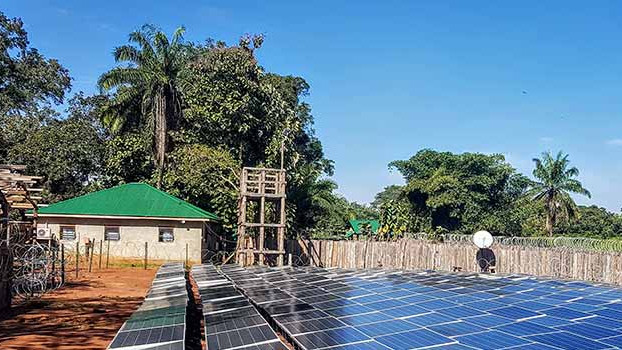
The World Bank’s Energy Sector Management Assistance Program and the off-grid solar industry association GOGLA have jointly determined that off-grid solar represents the most cost-effective approach to electrification for approximately 398 million people currently lacking electricity access. The report marks a shift in how the technology is perceived, treating off-grid solar systems as permanent infrastructure rather than temporary solutions awaiting grid connection. Field data indicates strong durability, with 95% of surveyed customers maintaining functional systems four or more years after purchase.
Estimates suggest that delivering reliable off-grid electricity to this population will require $11.4 billion in investment between 2027 and 2030. This funding encompasses $1.3 billion annually in grants and affordability subsidies alongside $1.6 billion yearly in equity, debt and receivables financing. While substantial, this represents a modest portion of the $3 trillion to $5 trillion in average annual energy transition investment needed globally by 2030. The off-grid solar sector currently sustains 219,000 jobs, with full-time employment increasing 29% between 2021 and 2025.
Adoption of off-grid solar products has expanded significantly, rising 26% over the preceding two years to reach 149 million users. Regional growth patterns remain uneven, with Sub-Saharan African sales concentrated in Kenya, Nigeria and Zambia, while many West and Central African markets show limited expansion. Kenya leads tracked markets with sales climbing 61% between 2023 and 2025 to approximately 2.4 million units. Affordability remains a primary constraint, as only roughly one-third of unelectrified households can access entry-level systems, with another third managing purchases only with difficulty.
Global solar adoption has accelerated following dramatic cost reductions in panel manufacturing. Chinese-produced panels have declined to 12 cents per watt from $5 to $6 per watt around 2000, representing a 40- to 50-fold decrease. Africa is recording unprecedented solar expansion, with installations projected to reach 17 gigawatts in 2026, marking the third consecutive annual record. India’s solar capacity reached 164.59 GW as of July 31, 2026, while its residential program had enrolled approximately 5.16 million households by mid-August. Pakistan is simultaneously experiencing rapid consumer-driven solar adoption, with both industrial facilities and households increasingly shifting from the national grid to secure lower-cost power.
Article Attribution | Read More at Article Source
Article summary produced by Claude AI