

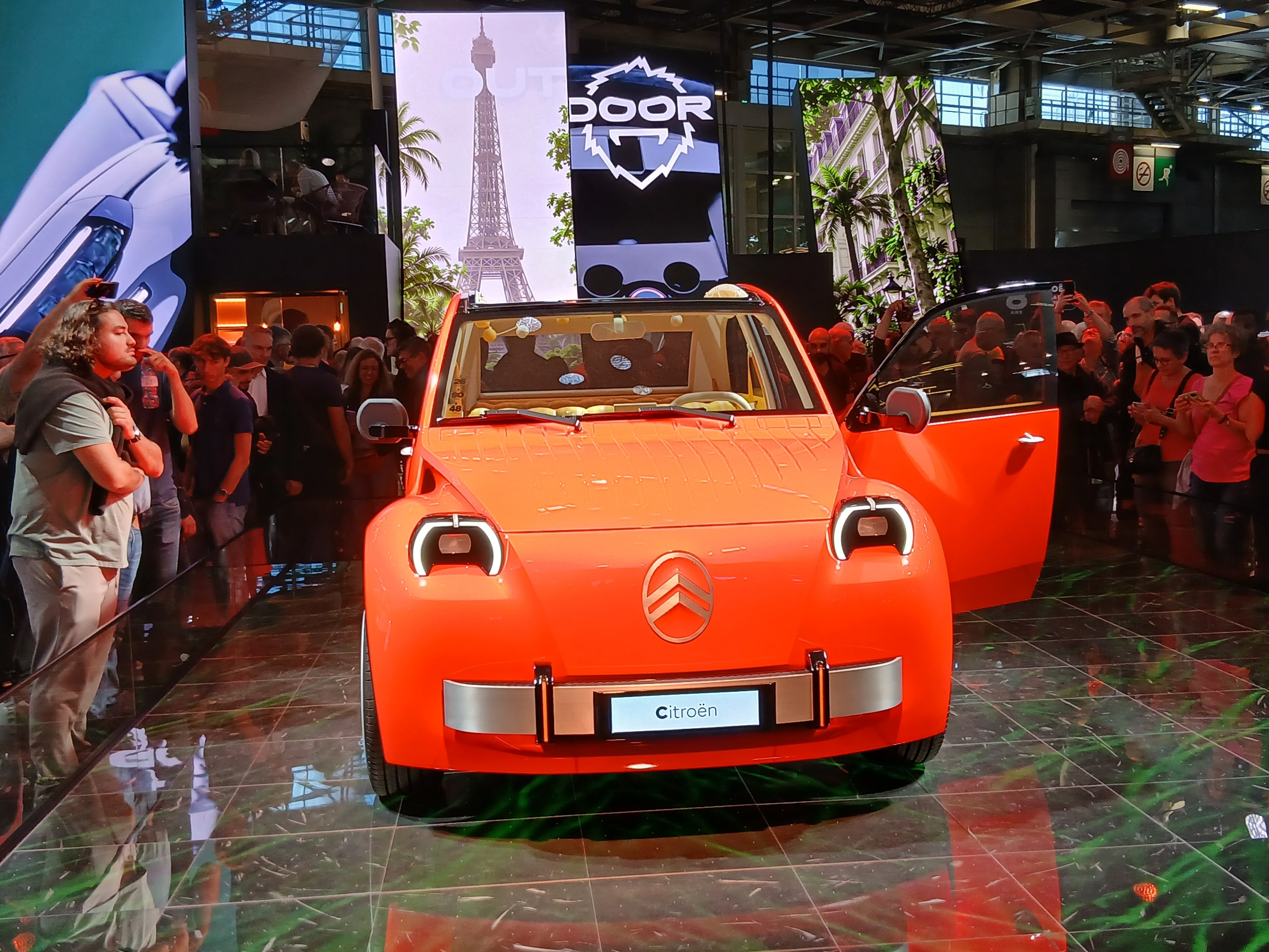
The 2026 Paris Auto Show demonstrated a significant shift in Europe’s automotive landscape, marked by the prominent presence of Chinese manufacturers and an energized European response. Despite some major brands declining to participate, the event attracted considerable attention, with Chinese automakers displaying affordable, technology-rich electric vehicles designed to appeal to mainstream consumers. European legacy manufacturers acknowledged the immediacy of competitive pressure and implemented strategic countermeasures including accelerated EV development timelines, refined pricing approaches, and renewed focus on heritage-inspired design language.
A key strategic focus emerged around the city car category, which European manufacturers had largely abandoned due to profitability concerns. Chinese competitors have similarly avoided this segment, primarily because EU tariffs significantly compress already thin profit margins. European producers now view this niche as an opportunity to defend market share and generate returns.
Several vehicles garnered particular attention at the show. Smart unveiled its #2 model, a compact electric two-seater featuring a 36 kWh LFP battery delivering 290 kilometers of WLTP range, priced from 20,000 euros. Citroën introduced a reimagined 2 CV positioned at 15,000 euros, though deliveries begin in 2028. The revised Dacia Spring, produced in Slovenia and offering comparable specifications to its platform partner the Renault Twingo, provides additional space and refinement at approximately 18,000 euros, qualifying for various European subsidies.
Industry observers noted that collectively, these city car initiatives could generate substantial sales volumes. Combined output from Citroën, Dacia, Fiat, and Leapmotor models could reach approximately 170,000 units annually, sufficient to establish profitable operations within this competitive segment. The event underscored a fundamental industry transformation, with established European manufacturers now actively competing against well-capitalized Chinese challengers through product innovation and strategic market positioning.
Article Attribution | Read More at Article Source
Article summary produced by Claude AI