

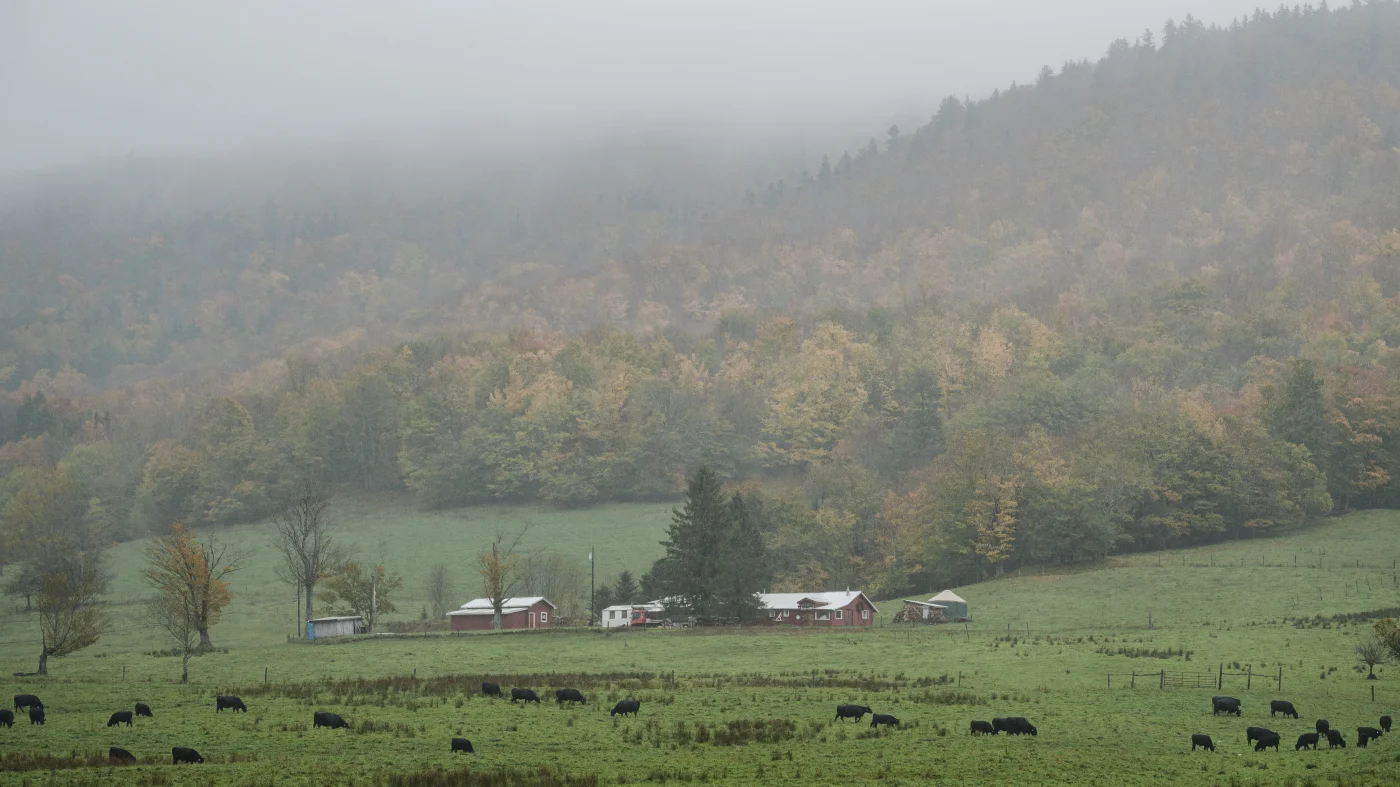
The Monongahela National Forest in eastern West Virginia encompasses nearly a million acres of scenic terrain, including ski slopes, state parks with dark-sky certification aspirations, and small gateway towns that depend on tourism and outdoor recreation. The region has become increasingly popular with amateur astronomers seeking some of the few remaining areas with minimal light pollution east of the Mississippi River, with visitors traveling to locations like Spruce Knob specifically to experience exceptionally dark nighttime skies.
Fundamental Data LLC, a Virginia-based company, is proposing Ridgeline, a large-scale development project centered on a roughly 785-megawatt power generation facility to support artificial intelligence, cloud computing, and related infrastructure. The complex would operate primarily on natural gas with diesel backup fuel, generating power on-site rather than drawing from the regional electrical grid. The initial footprint spans approximately 291 acres on a reclaimed coal-mining site, though company representatives indicate the facility could eventually expand to encompass thousands of acres across multiple counties if fully developed.
Local community members and business owners have expressed concerns about the project’s environmental impact, particularly regarding light pollution. An analysis by the Northern Virginia Astronomy Club found that the initial phase could increase sky glow near nearby Blackwater Falls State Park by 528%, potentially compromising the park’s pursuit of official dark-sky certification. Company representatives acknowledge that lighting will be necessary for safe around-the-clock operations and equipment maintenance, though they indicate plans to use well-designed lighting systems to minimize sky glow effects.
The proposal reflects broader tension between economic development priorities and preservation of the region’s natural character. West Virginia has historically relied on extractive industries, and state officials view technological infrastructure development as an opportunity for economic growth. However, residents who have invested in outdoor recreation businesses and those drawn to the area’s wilderness qualities voice concerns that industrial-scale development could replicate patterns of resource extraction that previously transformed the landscape through logging and coal mining.
Article Attribution | Read More at Article Source
Article summary produced by Claude AI