

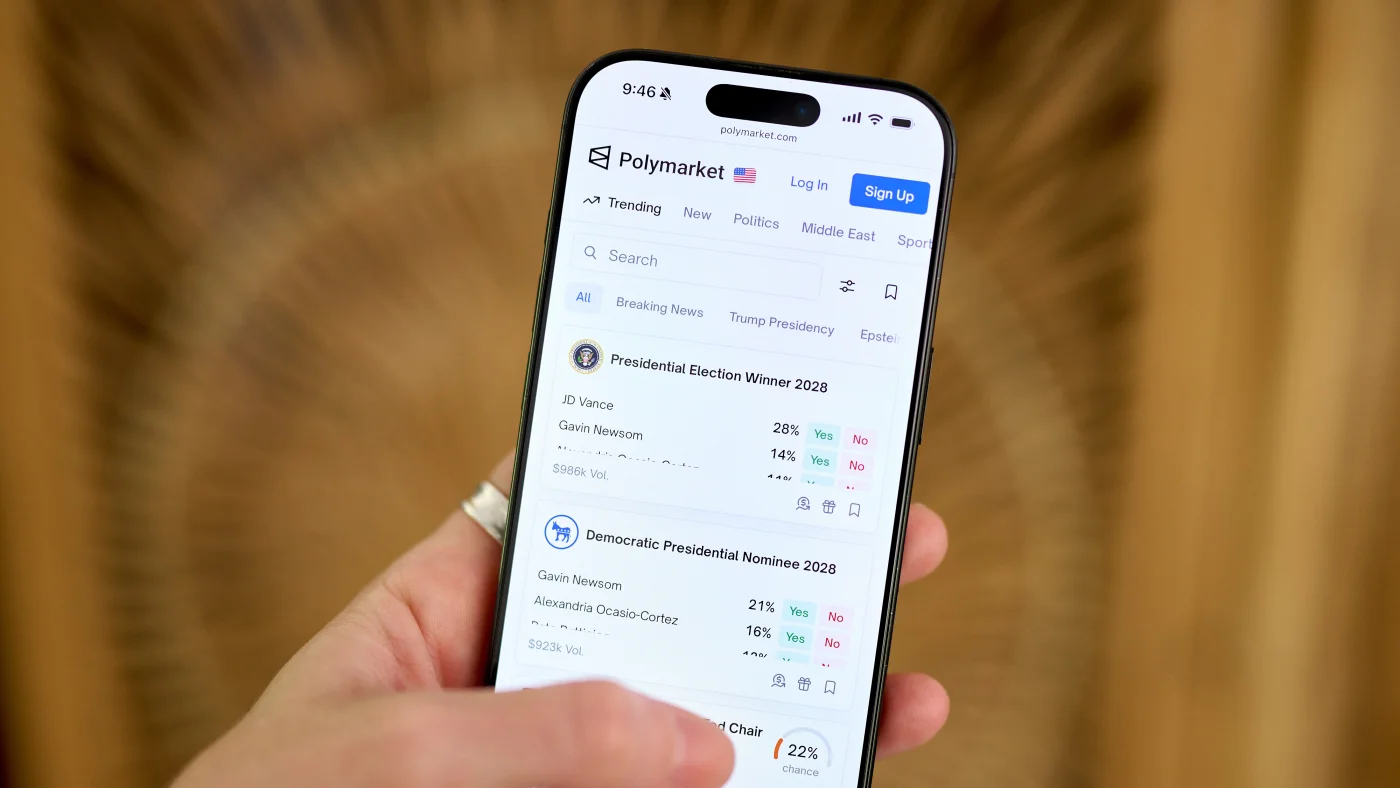
Polymarket, a major prediction market platform, has conducted investigations into dozens of bets related to midterm elections, the company’s head of global intelligence and investigations announced. At least two of these probes have been escalated to the U.S. Commodity Futures Trading Commission, according to sources familiar with the matter.
The investigations focus on potential insider trading and market manipulation connected to election betting. This scrutiny comes as prediction markets, including Polymarket and rival Kalshi, have experienced significant growth in recent years. However, the expanding industry faces legal challenges from state governments and criticism from lawmakers concerned that election wagering threatens democratic integrity. In earlier developments, Kalshi had banned and penalized certain political candidates from betting on themselves, while campaign staff members were reported to have profited substantially from nonpublic polling data used to place bets on prediction market platforms.
Polymarket’s investigations chief, a former FBI official and cryptocurrency analyst who joined the company in June, leads a team of 16 and oversees a newly developed election surveillance system. The system monitors betting activity on both Polymarket’s U.S.-regulated version, which requires identity verification, and its international counterpart, which permits anonymous cryptocurrency trading. The surveillance infrastructure aggregates data from social media, Federal Election Commission records, cryptocurrency firms, banking partners, and statistical models to identify suspicious trading patterns. Officials report receiving hundreds of alerts daily from the system.
The company emphasizes that cryptocurrency transactions, while potentially anonymous, rarely remain completely untraceable. Rival platform Kalshi has deployed similar surveillance measures and reported blocking numerous FEC-registered campaign staffers from placing election bets, though at least one staffer told media outlets they circumvented these restrictions. Academics studying prediction markets note that election betting presents unique vulnerabilities to manipulation, as market movements could theoretically influence voter behavior and campaign momentum.
The federal regulator responsible for overseeing these markets has provided minimal direct enforcement, largely delegating compliance responsibilities to the platforms themselves.
Article Attribution | Read More at Article Source
Article summary produced by Claude AI