

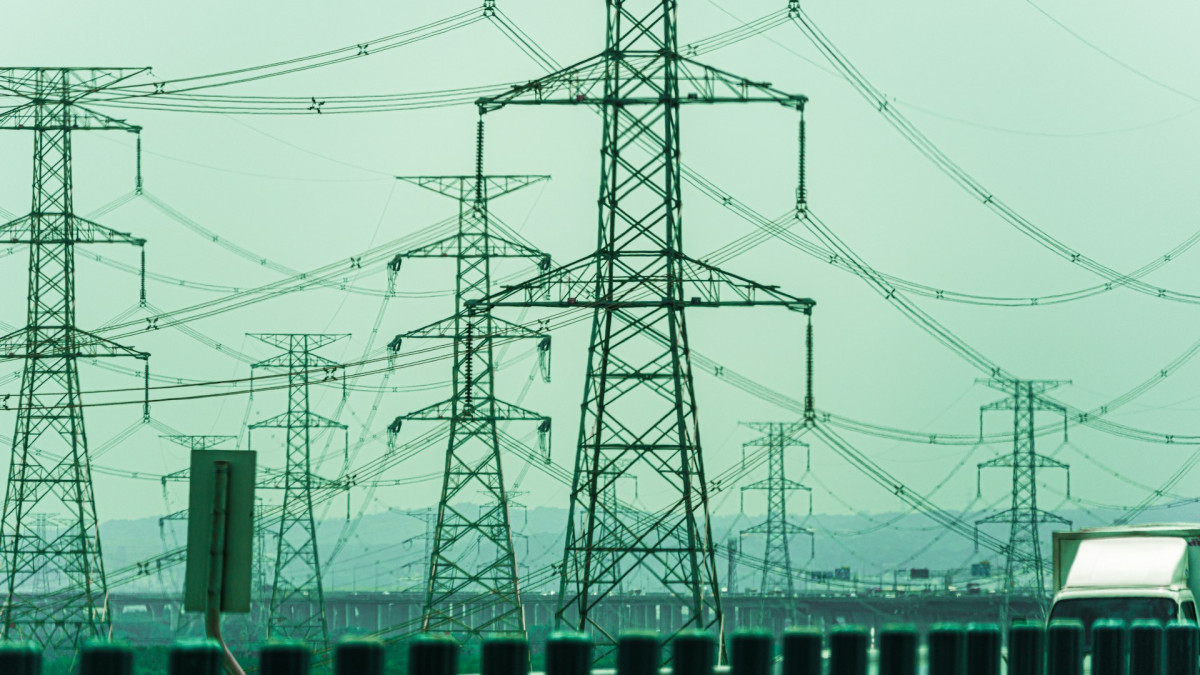
An unusual warm weather system coinciding with scheduled plant maintenance has stressed the electrical grid operated by PJM Interconnection, which serves 67 million people. The grid operator issued a Maximum Generation Alert for Tuesday and maintained a capacity advisory through Wednesday as approximately 62,000 megawatts of generation remained offline for planned maintenance work. Spot power prices at PJM’s Western hub reached $1,021 per megawatt-hour Tuesday afternoon, more than doubling typical rates for that time, while day-ahead prices for Wednesday climbed 28 percent to their highest daily average since mid-July.
The strain on the system stems primarily from supply limitations rather than exceptional demand levels. PJM projected demand of about 112,400 megawatts for Tuesday, roughly two-thirds of the grid’s historical peak set in 2006. The grid operator and transmission owners typically conduct maintenance between mid-September and early December to prepare for winter operations. The situation has been exacerbated by power commitments to hotter regions in the South and West, as well as similar pressures affecting MISO, which operates across parts of 15 states, due to warm weather, plant outages and reduced wind generation.
Underlying these immediate pressures is a structural constraint on grid flexibility. PJM’s capacity auction recently fell 6,831 megawatts short of the reliability target, while projections show peak demand will increase 32 gigawatts between 2024 and 2030, with data centers accounting for nearly all of that growth. The grid operator recalled all active generation maintenance work effective Wednesday noon and activated demand response resources that are paid to reduce consumption during stressed conditions. The Department of Energy issued an emergency order running through Friday that permits plants to operate beyond normal environmental permit limits and authorizes PJM to direct large customers onto backup generation if necessary.
FERC issued a mixed ruling earlier this month on PJM’s long-term capacity solutions. The commission approved a registry for large loads defined as customers requiring 50 megawatts or more but rejected the core element that would have allowed data centers to connect without matching capacity if they agreed to curtailment during emergencies. FERC determined the framework could infringe on state authority and potentially discriminate against large consumers. The deferred maintenance work must still be completed before the maintenance window closes in early December, creating the risk of pushing reliability challenges into the winter season when historical data shows generator outages often exceed seasonal forecasts.
Article Attribution | Read More at Article Source
Article summary produced by Claude AI