

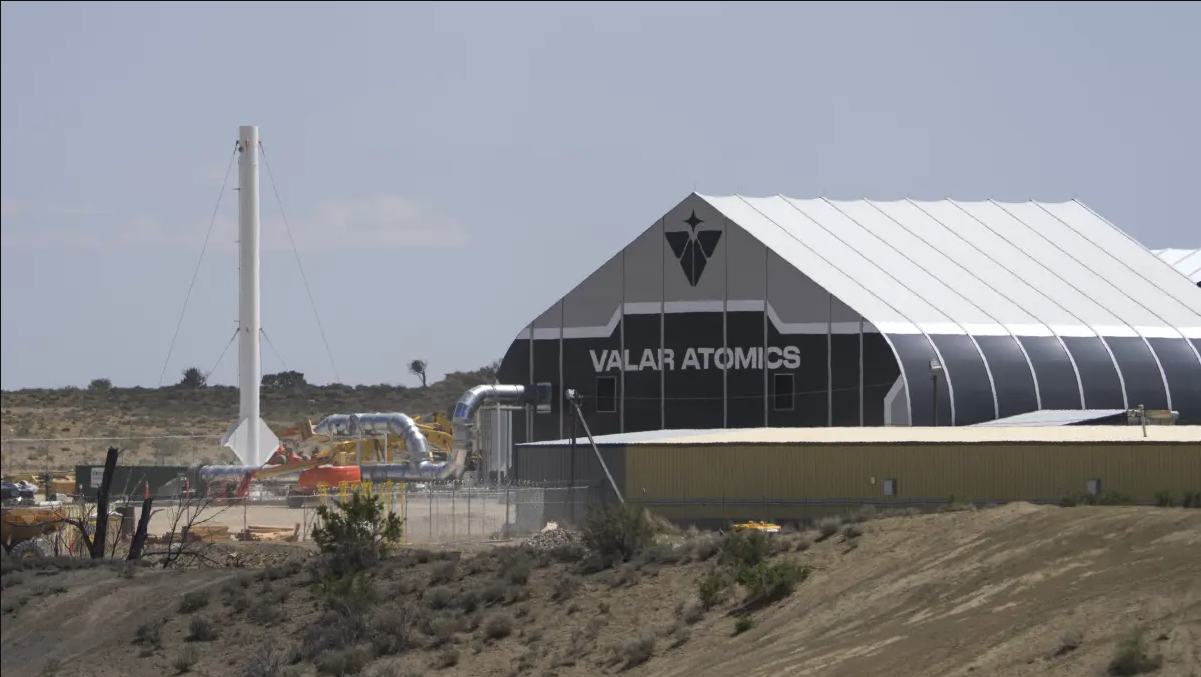
Carbon County, Utah, a region historically dependent on coal mining, is facing a dramatic industrial shift as multiple large-scale data center projects move forward. The county’s coal industry, which produced nearly 10 million tons annually in 2006, has effectively ceased operations since 2023 due to competition from renewable energy and natural gas, along with depleted coal reserves.
The most prominent new development involves Valar Atomics, a nuclear startup planning to construct a complex featuring 456 small modular reactors—a largely untested technology in the United States. The company secured a lease from the Utah Trust Lands Administration for up to 100 years on one square mile of state land, expected to generate $35 million in lease revenue over 50 years that will benefit Utah schools. The facility is designed to support various industrial operations, including data centers, uranium fuel processing, water desalination, steel manufacturing, and critical mineral refining. State and local officials, including the county commissioners and Governor Spencer Cox, have publicly supported the project.
However, significant community opposition has emerged. Residents express concerns about radioactive waste storage, proximity of facilities to homes, and the untested nature of small modular reactor technology. Some opponents draw parallels to Utah’s history of nuclear weapons testing in the 1950s, which residents believe caused health problems in Carbon County. A county resident and prospective commission candidate reported overwhelming opposition during signature collection efforts for her campaign.
A second major data center project, called “Jurassic Spark” by Altigen Energy, is planned for an area east of Wellington and would cover approximately 1,200 acres with a natural gas power plant. Together, these projects represent a fundamental economic transformation for the county as it attempts to transition away from coal dependence, though the developments have polarized the community between those viewing them as necessary economic opportunities and those concerned about safety and environmental risks.
Article Attribution | Read More at Article Source
Article summary produced by Claude AI