

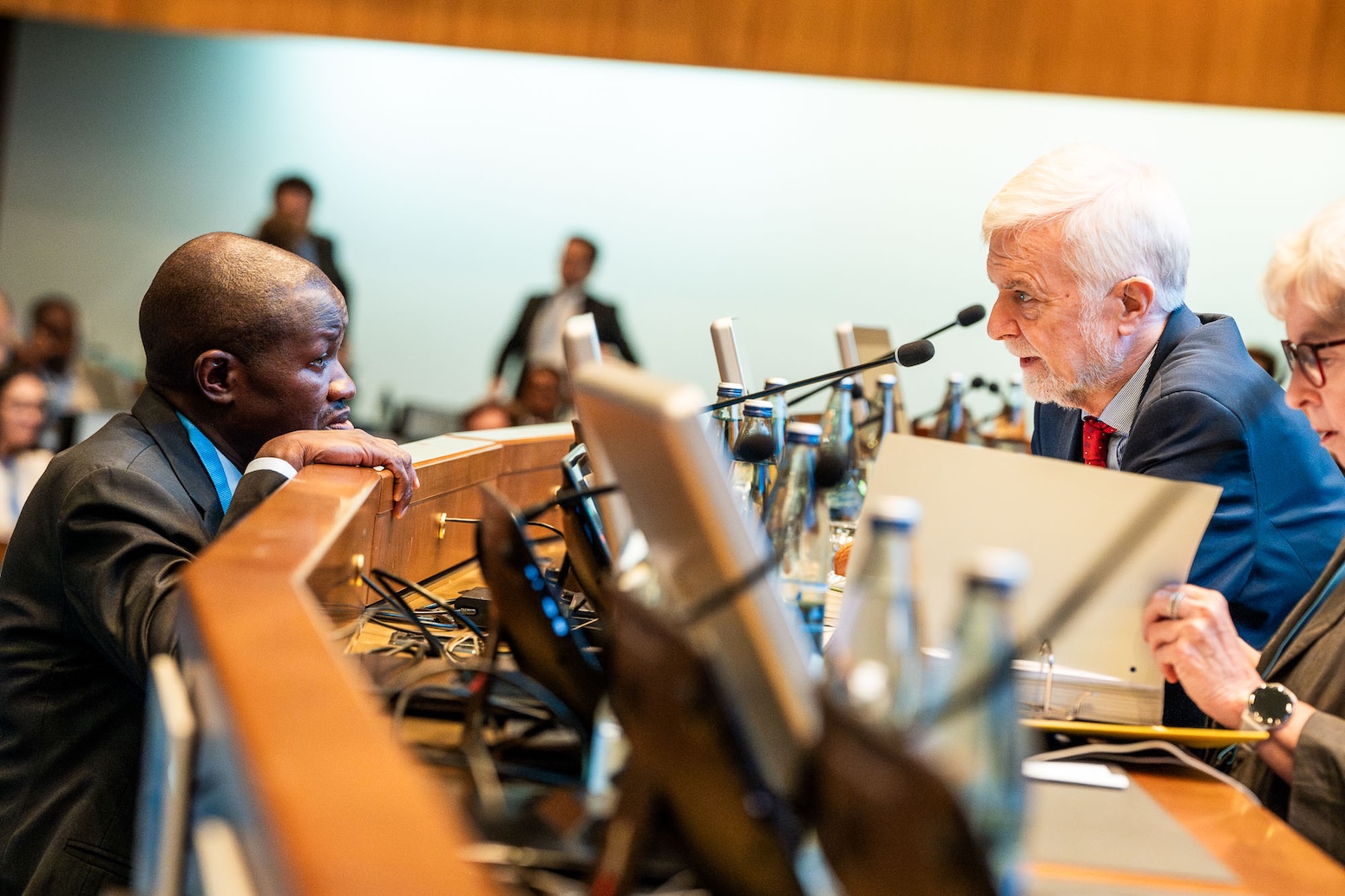
The Intergovernmental Panel on Climate Change’s 65th plenary session in Addis Ababa ended without consensus on scheduling for its seventh assessment report, marking the sixth consecutive failure to resolve the issue. The week-long meeting, which chair Prof Sir Jim Skea characterized as a “profound disappointment” and among the most challenging IPCC sessions, also left the organization facing a significant funding shortfall for the assessment cycle.
The central dispute centered on whether the IPCC’s three working group reports—covering climate science, impacts and adaptation, and mitigation strategies—should be published before or after the UN’s second global stocktake in late 2028. Developed nations and small island states advocated for all three reports to be completed in time to inform the stocktake process, which will guide future climate action and negotiations on emissions targets. Conversely, India, Kenya, Russia, and Saudi Arabia argued that developing nations required additional time to prepare, review, and approve the reports, necessitating publication after the stocktake deadline.
Negotiators considered multiple timeline proposals throughout the session, eventually narrowing options from seven scenarios to four possibilities. Brazil and Ireland chaired a contact group dedicated to the scheduling issue, though participants reported remaining “a long way from consensus” by Friday morning. The IPCC subsequently presented a draft decision that outlined potential pathways forward without establishing a definitive timeline, including suggestions for continued work in 2027 and proposals to enhance developing country participation through additional delegate funding.
The failure to reach agreement has drawn international concern regarding the implications for global climate action. A climate envoy from a Pacific island state characterized the outcome as a “travesty,” warning that delays in obtaining updated scientific assessments would hinder efforts to address climate impacts domestically. The IPCC committed to reconvening discussions at the earliest opportunity, though no specific date was announced.
Article Attribution | Read More at Article Source
Article summary produced by Claude AI