

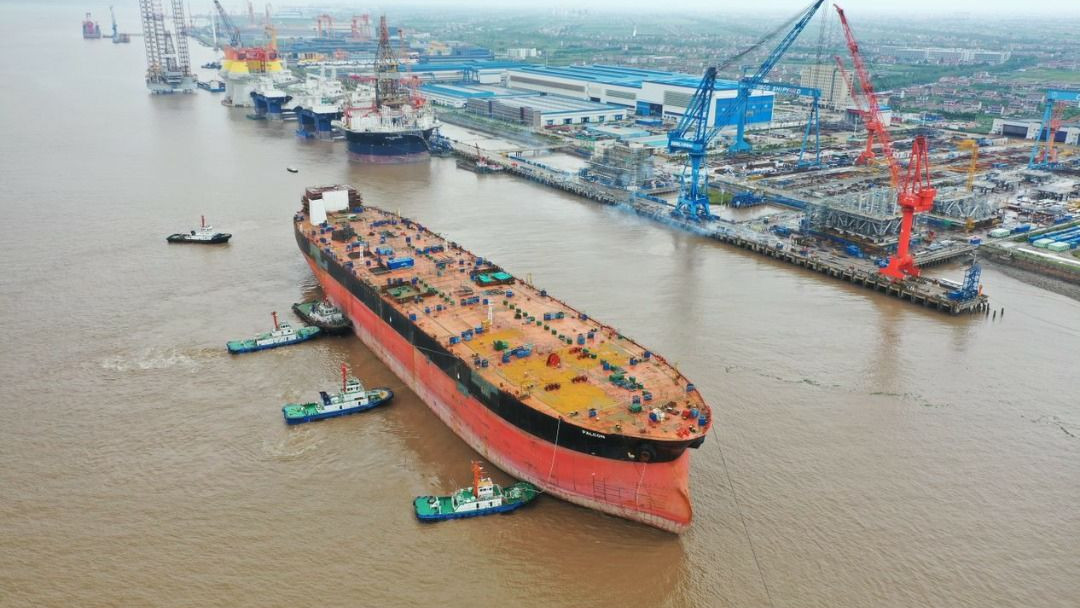
Elevated freight expenses are fundamentally altering crude oil trade flows and pricing dynamics across global markets. The surge in Very Large Crude Carrier rates began in March following geopolitical tensions and intensified further in August, reaching unprecedented levels by late September. Tanker costs from the Persian Gulf to China climbed to $33 per barrel, pushing total landed prices to approximately $140 per barrel—above levels Chinese refiners consider acceptable at around $130 per barrel.
Producers in the Middle East are experiencing the most acute pressure. Saudi Aramco has responded by setting the November official selling price for Arab Light at a $5 per barrel discount to regional benchmarks and offering spot sales at additional discounts, while also committing barrels for future delivery at current differentials to secure buyers despite freight risk exposure. Shipping restrictions affecting the Red Sea have forced a shift away from alternative loading terminals, concentrating exports through the Strait of Hormuz and intensifying cost pressures. Loadings from Saudi Arabia’s Yanbu terminal have declined to roughly half their earlier average following Houthi-related disruptions.
The elevated shipping environment is redirecting trade patterns globally. Brazilian crude shipments to China have slowed markedly as delivered prices remain uncompetitive, with sellers pivoting toward Indian buyers instead. West African producers face similar economics, with freight premiums to China versus India making Indian destinations more attractive. Angola’s oil exports to India are projected to rise substantially in October, supplemented by additional volumes from Gabon and Congo. Even Russian Urals pricing has shifted, with the grade trading closer to flat against Dated Brent benchmarks as freight considerations reshape relative value.
Beyond transportation costs, loading reliability has emerged as a critical purchasing factor. Delays in ship-to-ship transfers outside Hormuz have escalated demurrage expenses and war-risk insurance premiums, adding further costs to Gulf barrels. These delivery uncertainties, combined with restricted waterway access, are enhancing the competitive position of Latin American crudes whose routes to Asia avoid geopolitical risks. The cumulative effect of freight expenses, reliability concerns, and war-risk premiums is gradually redistributing crude flows away from traditional suppliers toward alternatives offering greater certainty and lower total delivered costs.
Article Attribution | Read More at Article Source
Article summary produced by Claude AI