

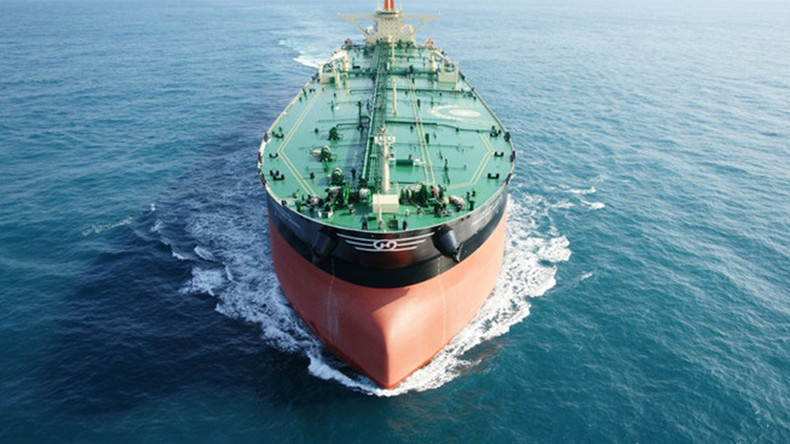
Shipping costs for crude oil from the U.S. Gulf Coast to Asia have reached unprecedented levels in response to ongoing conflict in the Middle East, fundamentally altering global petroleum trade dynamics. Early in October, freight rates climbed to as high as $80 million per supertanker voyage, representing a tenfold increase from historical averages that had remained stable for years. While rates have moderated from peak levels, they remain elevated at approximately $60 million per vessel in late October, making long-distance U.S. crude shipments economically unviable for most Asian purchasers.
The elevated transportation costs have prompted a sharp contraction in Asian demand for American oil. Refiner orders for U.S. crude destined for November delivery have fallen roughly 50% compared to September levels, declining to approximately 25 million barrels. Analyst projections indicate that if purchasing patterns persist at current levels, Asia could receive its lowest volume of U.S. crude in seven years during November.
The tanker market disruption stems from Middle Eastern producers attempting to move substantial volumes through the Strait of Hormuz using ship-to-ship transfer operations in the Gulf of Oman. This activity has expanded the regional shuttle fleet to approximately 80 very large crude carriers (VLCCs) with average round-voyage times reaching 23 days, more than double the typical 9-10 day cycle. The concentration of vessels in high-earning Middle Eastern routes has created scarcity in other critical shipping corridors, particularly the U.S. to Asia lane.
The freight cost surge has triggered significant repricing across global crude benchmarks. Asian refiners are increasingly purchasing from nearby Middle Eastern suppliers on a delivered-cost basis, while European buyers are shifting toward regional sources. This reorientation has elevated premiums for European and Middle Eastern crudes—Dated Brent reached a $20 per barrel premium while Norway’s Johan Sverdrup hit $24 per barrel—while discounts for African and U.S. crudes have widened substantially. U.S. domestic crude spreads have contracted sharply, with the MEH premium declining from over $3 per barrel in early September to $0.25 per barrel, reflecting reduced export competitiveness due to transportation expenses.
Article Attribution | Read More at Article Source
Article summary produced by Claude AI